





First, How Much Protein Do You Need?
Before we dive into the 'what,' let's address the 'how much.' The Indian Council of Medical Research (ICMR) suggests a daily protein intake of about 0.8 to 1.0 grams per kilogram of body weight for the average adult. So, a 65-kilogram person needs roughly
52 to 65 grams of protein daily. If you're physically active or strength training, this need increases to about 1.2 to 1.6 grams per kilogram. Many traditional diets, while rich in flavour, can be carb-heavy, leading to a significant protein gap for many Indians. The good news is that bridging this gap doesn't require a complete dietary overhaul.
The Power of Pulses
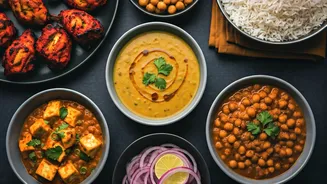
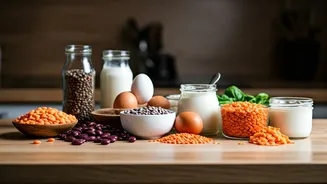
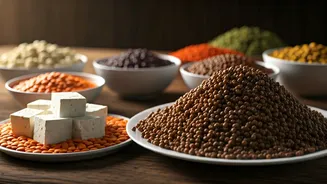
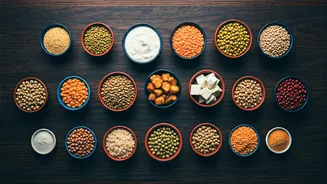
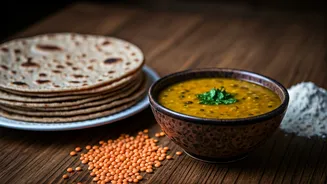
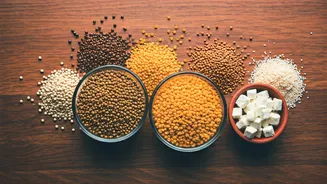
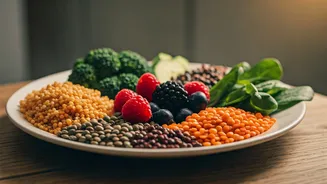
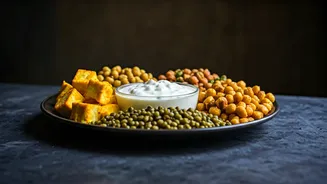
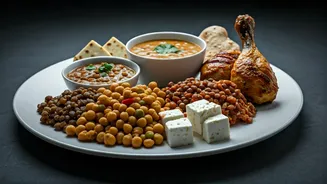
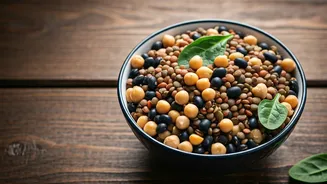
Dals, lentils, and legumes are the undisputed backbone of Indian vegetarian protein. While often seen as a simple side, their contribution is immense. Uncooked dals like moong, masoor, and urad pack a powerful 24-25 grams of protein per 100 grams. Once cooked, a standard bowl (or katori) will give you a solid 8-12 grams of protein. Don't forget their cousins: chickpeas (chana) and kidney beans (rajma) are equally potent. A serving of rajma or chole can easily add 15-20 grams of protein to your meal, making them a delicious and effective choice for lunch or dinner.
Dairy's Desi Strength
Dairy has always been a staple, and for good reason. Paneer is a vegetarian favourite that delivers around 18-20 grams of protein per 100-gram serving. It's rich in casein, a slow-digesting protein that promotes a feeling of fullness. While it's higher in fat than lean meats, it's a fantastic muscle-repairing food. Another hero is thick, hung curd or Greek yogurt. It's an excellent protein source, perfect for raitas, marinades, or as a snack. Even a simple glass of milk contributes about 8 grams of protein.
The Underrated Soya Chunk
Often overlooked, soya chunks (or nuggets) are arguably the most potent plant-based protein source available in the Indian market. In their dry form, they contain a staggering 52 grams of protein per 100 grams. Once cooked, they absorb the flavours of any curry or sabzi, making them a versatile and incredibly efficient way to boost your meal's protein content. Tofu, a soy-based cousin to paneer, is another excellent, lower-fat option that provides all essential amino acids.
Smart Combinations for Complete Protein
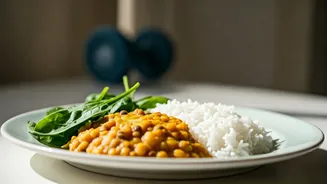
One of the most scientific and enduring aspects of Indian cuisine is the concept of complementary proteins. Most plant-based foods are 'incomplete' proteins, meaning they lack one or more of the nine essential amino acids our bodies can't produce. However, Indian food culture intuitively solved this. The classic pairing of dal (rich in lysine) with rice or roti (rich in methionine) creates a 'complete' protein profile, providing all the essential amino acids together. So, your simple meal of dal-chawal or rajma-roti isn't just comforting—it's a complete nutritional strategy.
For the Non-Vegetarians
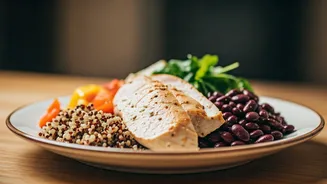
If you eat meat, the options are plentiful and delicious. Chicken breast remains a top-tier lean protein, offering about 25-31 grams per 100-gram serving. It can be prepared in countless Indian styles, from tikkas and kebabs to light, home-style curries. Eggs are another affordable and versatile choice, with each egg providing about 6-7 grams of high-quality protein. Fish, especially varieties like rawas (Indian salmon) and pomfret, are not only rich in protein but also provide essential omega-3 fatty acids.