



The Power of the Pin
For years, the humble hair pin has been the secret weapon of hairstylists for creating styles that look soft and unstructured, yet remain secure. Unlike elastic ties that pull hair into a single, tight point, pins allow you to anchor sections of hair with
a lighter touch. This is essential for achieving the 'undone' look of a loose updo. The right pin provides hold without tension, preventing the pulling and breakage often associated with tight hairstyles. They slide into the hair smoothly, making them ideal for crafting soft buns, chignons, and twists that look entirely natural.
Choosing Your Styling Tool
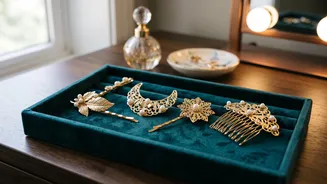
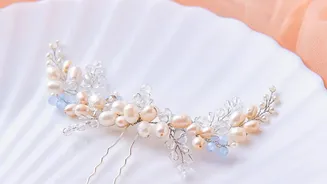
Not all pins are created equal, and knowing which one to use is the first step. The two main players are bobby pins and U-shaped pins (also known as French pins). Bobby pins are tight and flat, designed to press hair down and are best for securing small, stray sections or creating a firm base. For the best grip, the wavy side should face your scalp. U-pins, on the other hand, are open and more flexible. Their U-shape allows them to weave through larger sections of hair, becoming part of the updo's structure rather than just clamping it down. This makes them the superior choice for securing the main shape of a loose bun or twist. For a touch of glamour, decorative pins can be added last to embellish your finished style.
Technique: The Classic Loose Bun
Mastering the basic loose bun with U-pins is a game-changer. Start with hair that isn't freshly washed; a bit of texture from dry shampoo or texturizing spray will provide extra grip. First, gather your hair into a low, loose ponytail, but don't use an elastic. Begin twisting the ponytail, then wrap it around its base to form a bun. Tuck the ends into the bun. Now, take a U-pin. The key is a weaving motion. Insert the pin into the outer edge of the bun, then angle it to catch a small amount of the hair close to your scalp before pushing it back into the bun. This 'scoop and lock' technique anchors the style securely. One or two pins are often enough to hold the entire bun.
Beyond the Bun: Adding Variety
Once you're comfortable with the basic technique, you can explore a range of other styles. A French twist, for instance, is created by twisting your hair upwards against your head and securing it along the seam with a series of pins. For a romantic half-up style, twist sections from each side of your head and pin them at the back. You can also create a braided crown by fashioning two braids and pinning them across the top of your head. Even a simple ponytail can be elevated by wrapping a strand of hair around the elastic and securing it invisibly with a pin. For extra security in any style, try crisscrossing two bobby pins to form an 'X'.
Tips for a Lasting Hold
If you find your style slipping, a few pro-tips can make all the difference. For fine or silky hair that struggles to hold a pin, applying a texturizing spray or mousse before you start is crucial. When inserting bobby pins, ensure you're not grabbing too much hair, which can cause the pin to slide out. For U-pins, the most common mistake is not catching enough 'scalp hair' to create a solid anchor point. Make sure you feel the pin seat against your head. If a pin feels like it's pulling, it’s best to take it out and try again for a more comfortable and secure placement.