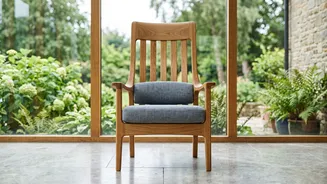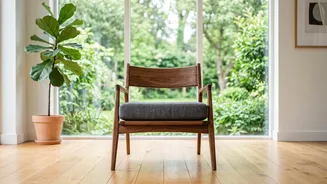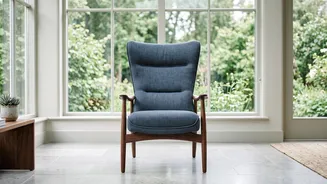






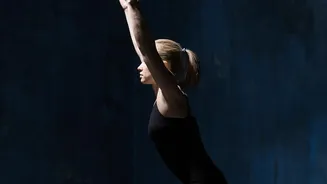
Finding room to exercise in a compact home can feel impossible. But what if your workout companion was an everyday chair? Chair yoga is an accessible way to boost flexibility and de-stress, no yoga mat or large open floor required.
Your New Favourite Workout Partner
Chair yoga is a modified
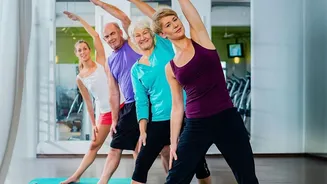
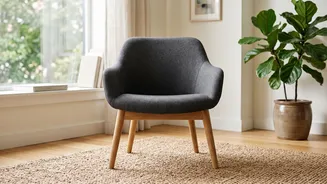
form of traditional yoga that adapts poses for a seated position or uses a chair for support during standing movements. It makes the practice accessible to nearly everyone, regardless of age, fitness level, or mobility. Whether you are an older adult, an office worker seeking a midday stretch, or someone recovering from an injury, this gentle practice meets you where you are. The only equipment you need is a sturdy, stable chair—one without wheels or arms is best—placed on a flat, non-slip surface.
Unlocking Gentle Flexibility
One of the primary benefits of a regular chair yoga practice is a noticeable increase in flexibility and range of motion. The supported nature of the poses allows you to gently lengthen muscles and loosen stiff joints in the back, hips, and shoulders, which are common areas of tightness from prolonged sitting. By moving through these gentle stretches, you improve circulation and can begin to release the tension that makes daily movements feel difficult. The practice encourages mindful movement, which helps improve body awareness and promotes relaxation.
Seated Cat-Cow Stretch
This foundational pose is excellent for spinal flexibility. Sit toward the front of your chair with your feet flat on the floor and hands on your thighs. As you inhale, gently arch your spine and look slightly upward, drawing your shoulders back (Cow pose). As you exhale, round your spine, tucking your chin to your chest and letting your shoulders curve forward (Cat pose). Repeating this breath-led movement helps to warm up the spine and release tension in the back and neck.
Seated Forward Fold
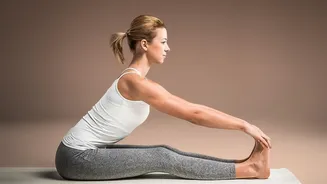
A forward fold helps to stretch the hamstrings and lower back. Sitting tall at the edge of your seat with your feet flat, inhale to lengthen your spine. As you exhale, hinge at your hips and gently lower your torso toward your thighs. You can rest your hands on your shins or a block. The key is to move slowly and avoid forcing the stretch. This pose is not about touching your toes but about creating a gentle release in the back of your body. People with uncontrolled high blood pressure should modify this pose to avoid bringing the head below the heart.
Seated Spinal Twist
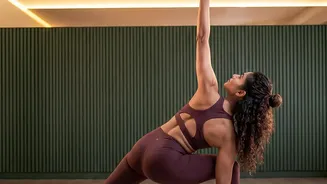
Twists are wonderful for improving spinal mobility and can even aid digestion. Sit tall with both feet on the floor. On an exhale, gently twist your torso to one side, using the back of the chair for light support. Keep your hips facing forward as much as possible. Hold for a few breaths, lengthening your spine on each inhale and gently deepening the twist on each exhale. Return to the centre and repeat on the other side. Avoid deep twists if you have certain health conditions like severe osteoporosis.
While chair yoga offers significant benefits for flexibility, strength, and stress reduction, it's important to have realistic expectations. It is not a form of high-intensity cardiovascular exercise, so it should be paired with activities like walking or swimming for a complete fitness routine. It also won't build significant bone density the way weight-bearing exercises do. While research shows it can improve strength and balance, especially in older adults, it is not a cure for conditions like arthritis, though it can help manage symptoms like pain and stiffness. Knowing its limitations allows you to appreciate what it does so well: provide a safe, effective, and accessible path to better mobility.