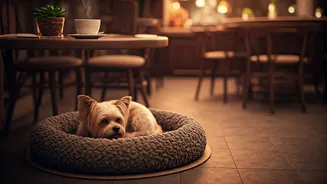









A New Leash on City Life
Across India's bustling cities, a quiet revolution is taking place, one wagging tail at a time. The familiar sight of a 'No Pets Allowed' sign is gradually being replaced by water bowls and welcome pats. This trend is a direct reflection of a deeper change
in urban Indian households, where pets are increasingly seen not just as animals, but as integral family members. The country's pet population has seen remarkable growth, swelling from around 22 million in 2018 to nearly 39 million in 2023. This surge, accelerated during the pandemic, has created a new generation of 'pet parents' who are eager to include their furry companions in all aspects of their lives, including their social outings. For many young professionals and nuclear families in cities, pets offer companionship and comfort in fast-paced environments, making them a central part of daily routines.
More Than Just a Water Bowl
Being 'pet-inclusive' in 2026 goes far beyond simply tolerating their presence. Establishments are designing experiences with four-legged friends in mind. Cafes in Bengaluru, Mumbai, and Delhi now boast dedicated pet menus with curated, safe, and healthy meals, from a 'puppuccino' (whipped cream in a cup) offered by global chains like Starbucks to specially baked pet cakes. Some places feature designated play areas, outdoor seating where pets can roam freely, and even swimming pools. For example, Therpup in Bengaluru is known as a 'dog heaven' where pets are greeted by a pack of friendly in-house dogs, while Shelter by Javaphile in Mumbai offers a cozy, home-like atmosphere where you can work with your dog curled up at your feet. This thoughtful approach shows a genuine understanding of the bond between humans and their pets.
The Pawsitive Business Case
For businesses, embracing the pet-friendly model is a smart strategic move. It taps into a large and growing market of devoted pet owners who are willing to spend more on experiences they can share with their companions. By catering to this niche, cafes and restaurants differentiate themselves from the competition and cultivate a loyal customer base. Patrons with pets often stay longer and visit more frequently, feeling relaxed knowing they don't have to rush back home. This trend isn't limited to cafes; co-working spaces like WeWork and corporate offices are also opening their doors to pets, recognizing the positive impact on employee morale, stress reduction, and overall productivity. The presence of a pet can act as a natural icebreaker, fostering a stronger sense of community among both customers and employees.
Navigating the Rules and Growls
Despite the growing acceptance, the path to becoming fully pet-friendly is paved with challenges. Hygiene is a primary concern for establishments, requiring strict cleaning protocols, designated pet zones, and staff training to handle potential accidents and prevent contamination. Ensuring the comfort of all patrons is another delicate balance; not everyone is comfortable around animals. To address this, many places have separate seating areas. There are also safety considerations, like ensuring pets are well-behaved, vaccinated, and kept on a leash to prevent conflicts. Restaurant owners point out the need for pet parents to be responsible, training their pets for public settings and being mindful of others. The legal framework is also evolving, with food safety authorities like FSSAI having regulations that require physical separation between pet areas and food preparation zones.