
What is a Planetary Conjunction?
In astronomy, a conjunction is a celestial event where two or more astronomical objects appear to be close to one another in the sky, as seen from Earth. This doesn't mean they are physically close in space; in reality, they remain hundreds of millions
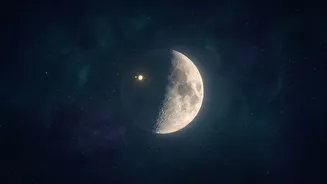
of kilometres apart. It's a line-of-sight phenomenon that offers a striking visual pairing. The upcoming event will see our Moon glide near Saturn, creating a can't-miss photo opportunity and a moment of cosmic wonder that's easily accessible to everyone.
When and Where to See the Pairing
Mark your calendars for the nights of October 24 and 25, 2026. On these evenings, the nearly full Moon will make its close approach to Saturn. The show begins right after dusk and will be visible throughout the night. You won't need to look hard; simply find the Moon in the evening sky, and you'll spot a bright, steady, yellowish point of light nearby—that's Saturn. The planet has been a brilliant fixture in our night sky all month, as it reached opposition on October 4. Opposition occurs when Earth passes directly between the Sun and an outer planet, placing Saturn at its closest and brightest for the year. This makes the conjunction with the Moon even more spectacular.
Tips for the Best Viewing Experience
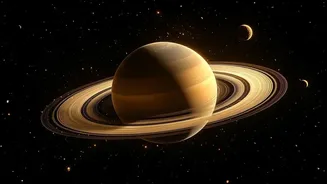
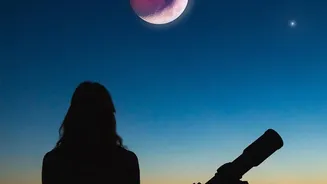
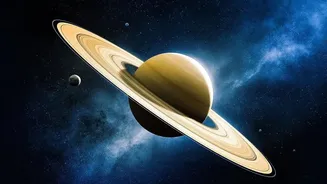
The best part about this celestial duo is that you don't need any special equipment to enjoy it. The Moon and Saturn are both bright enough to be seen with the naked eye, even from moderately light-polluted areas. However, to make the most of it, find a spot with a clear view of the sky, away from the direct glare of city lights. Let your eyes adjust to the darkness for about 15-20 minutes. This will help you see fainter stars and appreciate the contrast between the Moon's glow and Saturn's golden hue. If you have a pair of binoculars or a basic telescope, now is the time to use them. While even a small telescope can give you a glimpse of Saturn's famous rings, it's worth noting that in 2026, the rings are tilted nearly edge-on to our line of sight, making them appear as a thin, delicate line.
What Else to Look For This Month
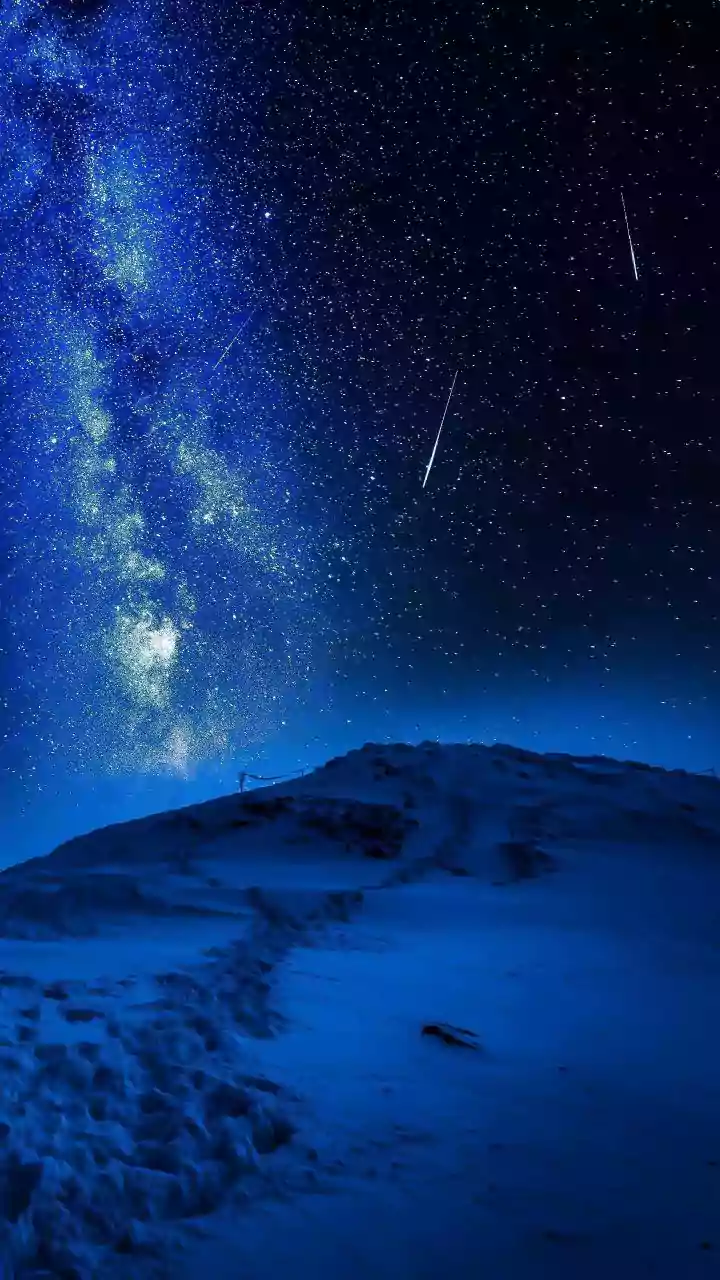
The Moon and Saturn pairing isn't the only show in town. October 2026 is packed with celestial highlights. Just after the conjunction, look out for the full Hunter's Moon on October 26. Historically named for the bright moonlight that helped hunters, it will rise majestically in the east around sunset. Then, on the nights of October 27 and 28, watch as the Moon continues its journey to cosy up to the Pleiades star cluster, also known as the Seven Sisters. This beautiful, glittering cluster in the constellation Taurus is a breathtaking sight in binoculars. For meteor lovers, the Orionid meteor shower peaks around October 21-22, though the bright Moon this year might wash out the fainter shooting stars.