







A Culinary Upgrade for a Premium Ride
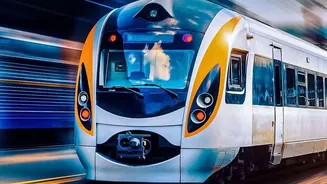
Indian Railway Catering and Tourism Corporation (IRCTC) has initiated a significant trial to revamp the onboard dining experience on its premier Vande Bharat trains. The objective is to move beyond the standard fare and introduce a menu that is healthier,
more diverse, and reflects the regional tastes of the routes the trains serve. The trial is currently active on three busy routes: the Kasaragod-Thiruvananthapuram service in Kerala, the Delhi-Varanasi line, and the Delhi-Bhopal (Rani Kamalapati) Express. Passengers on these trains are being served a completely new menu and are encouraged to provide detailed feedback. This feedback, collected through QR code-based digital forms, will be instrumental in deciding the final menu that could be rolled out across the Vande Bharat network. The move is seen as a crucial step in aligning the catering service with the modern, high-speed image of the Vande Bharat Express, ensuring the journey is as much a delight for the palate as it is a convenience for the traveller.
Malabar Flavours on the Kerala Route
On the Kasaragod-Thiruvananthapuram Vande Bharat, the new menu is a celebration of authentic Malabar cuisine, a decision that has been met with widespread approval from passengers. Travellers are now being treated to beloved local snacks that were previously unheard of on a train menu. Items like 'pazham pori' (banana fritters), 'kozhukatta' (sweet rice dumplings), and 'unniyappam' (a small, sweet fritter) have replaced conventional options like bread and omelettes for breakfast and evening tea. For lunch and dinner, the trial menu includes dishes like flavourful fish curry, fish fry, and chicken preparations served with classic accompaniments such as Malabar parotta and ghee rice. The response has been overwhelmingly positive, with travellers taking to social media to praise the taste and authenticity. This focus on hyper-local specialities provides a unique culinary experience that reflects the culture of the region the train passes through, making the journey itself a destination for food lovers.
Northern Delicacies Take the Stage
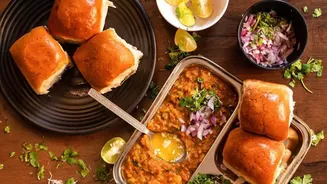
Similarly, the menu trial on the Delhi-Varanasi and Delhi-Bhopal routes has been tailored to North Indian tastes, offering a mix of classic comfort foods and healthier alternatives. Passengers are now served popular dishes like 'matar kachori', 'jodhpuri kachori', and 'chole bhature' for breakfast. The feedback has highlighted the improved quality and taste compared to the previous menu. In a significant nod towards healthier eating trends, IRCTC has also introduced a range of millet-based dishes across all trial routes. This includes millet 'daliya', millet 'poha', and other preparations, offering a nutritious option for health-conscious travellers. The main courses feature a rotating menu of paneer dishes, seasonal vegetables, dal, and chicken preparations, designed to offer variety and quality. Using branded products for items like curd and buttermilk has also been noted by passengers as a welcome move that enhances trust and quality assurance.
The Passenger Verdict and What's Next
The initial verdict from passengers across all three routes is largely one of enthusiastic approval. The shift towards regional, authentic, and healthier food options has been a resounding success. Travellers have expressed their appreciation for the improved taste, quality, and presentation of the meals. The feedback forms provided by IRCTC are detailed, asking passengers to rate specific dishes on multiple parameters, indicating a serious commitment to getting the new menu right. The trial period, reported to be around two months, will provide IRCTC with a wealth of data on passenger preferences. This will allow the catering wing to fine-tune the offerings, finalise portion sizes, and create a standardised yet regionally diverse menu. The positive reception suggests that this experiment is more than just a trial; it is a glimpse into the future of railway catering in India, where the food is an integral part of a premium travel experience.