





The Science of Seclusion
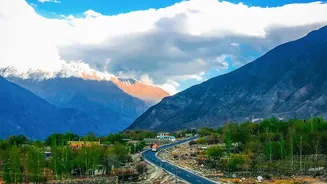
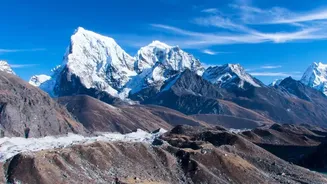
What makes the skies above places like Ladakh and Spiti so special? The answer lies in a unique combination of geography and atmosphere. Perched at altitudes often exceeding 3,500 metres, these regions sit above a significant portion of the Earth's atmosphere. This
thin, dry air results in minimal distortion, allowing starlight to travel to your eyes with stunning clarity. Furthermore, their remoteness and sparse population mean there is virtually no light pollution, the primary obstacle for astronomers worldwide. The cold desert climate ensures a high number of cloudless nights, particularly between May and September, creating perfect and predictable conditions for cosmic observation. This pristine environment is not just good for tourism; it's a scientifically significant asset.
Hanle: India's Celestial Sanctuary
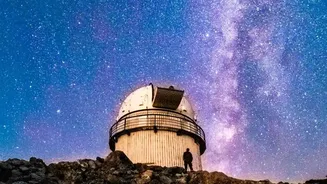
At the forefront of India's astrotourism movement is Hanle, a remote village in Ladakh. In a landmark move, the region was officially designated as India's first Dark Sky Reserve. This designation is a commitment to preserving the natural darkness of the night sky by actively managing and limiting artificial light. Hanle is also home to the Indian Astronomical Observatory, one of the highest-altitude optical telescopes in the world. For decades, scientists have used this vantage point to peer deep into the universe. Today, travellers can share in that sense of wonder. Under the protected skies of Hanle, the Milky Way isn't just a faint band; it's a brilliant, textured river of light stretching from horizon to horizon. Visitors can see constellations, nebulae, and distant galaxies with the naked eye in a way that is simply impossible in most parts of the world.
Spiti Valley's Starry Canvas
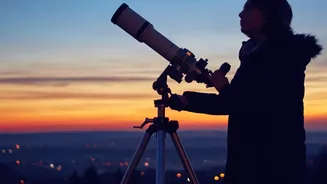
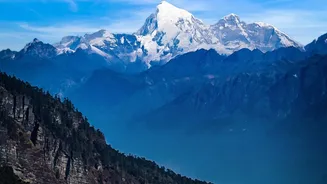
While Ladakh's Hanle is the official epicentre, the neighbouring Spiti Valley in Himachal Pradesh offers equally mesmerising experiences, often with a more rustic, community-driven feel. Villages like Kaza, Kibber, and Tabo have become hubs for amateur astronomers and curious travellers. Local communities have embraced astrotourism, with many homestays and guesthouses offering telescopes and guided stargazing sessions. These initiatives provide a sustainable source of income and allow visitors to connect with local culture while exploring the cosmos. The experience in Spiti is profound, blending the stark beauty of its high-altitude landscape—dotted with ancient monasteries—with the infinite expanse of the star-filled sky above.
Planning Your Cosmic Journey
A trip to these celestial havens requires careful planning. The best time to visit for clear skies is typically from late May to early October, when the weather is favourable and mountain passes are open. However, acclimatisation is crucial. Spending a few days at a lower altitude, such as in Leh or Manali, before ascending further is essential to avoid altitude sickness. Pack multiple layers of warm clothing, as even summer nights can be intensely cold at these elevations. While some homestays provide telescopes, bringing a good pair of binoculars can significantly enhance your viewing experience. Most importantly, travel with a mindset of respect for the fragile environment and the local efforts to preserve the darkness that makes this unique journey possible.