

An Emerald Transformation
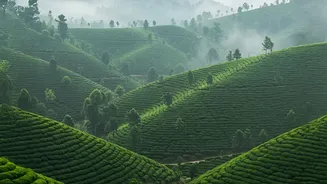
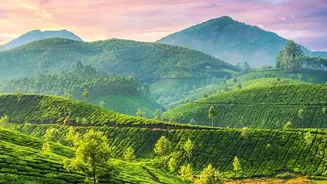
From June to September, Assam undergoes a breathtaking metamorphosis. The legendary tea gardens, stretching from Jorhat to Dibrugarh, become impossibly lush, their leaves glistening with fresh rain. This is the season when the landscape feels most alive,
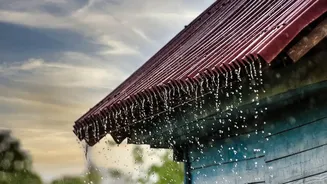
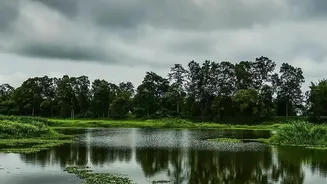
with the scent of wet earth and fresh tea hanging in the air. The unending stretches of paddy fields turn into a vibrant, electric green, creating a photographer's paradise. Unlike the dry, harsher light of winter, the monsoon offers soft, diffused light that makes the colours of the landscape pop with an otherworldly intensity. It’s a time of quiet beauty, where you can watch the clouds roll over the hills and listen to the rhythm of the rain from the verandah of a colonial-era tea bungalow.
Waterfalls in Full, Roaring Glory
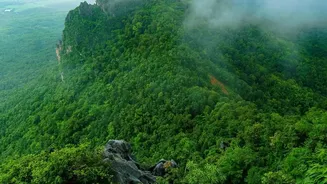
While Assam's waterfalls can be modest in the dry season, the monsoon transforms them into powerful, majestic spectacles. In the Dima Hasao district, the state's only major hill station, Haflong, becomes a misty wonderland where new waterfalls seem to emerge overnight. Nearby, waterfalls that are trickles for most of the year become dramatic cascades, their roar echoing through the valleys. This is the best, and arguably only, time to see these natural wonders in their full splendour. The journey to these spots, through winding roads shrouded in mist and fog, is an adventure in itself, offering views of rain-swept hills and valleys that feel untouched and primal.
The Majestic and Mighty Brahmaputra
The Brahmaputra River is the lifeline of Assam, and during the monsoon, its power and scale are truly humbling. While the river can cause destructive floods in low-lying areas, it also offers a unique spectacle. A river cruise on its calmer stretches, particularly around Guwahati or near Majuli island, offers stunning views of the swollen river against dramatic, grey skies. The world's largest river island, Majuli, takes on a serene and mystical quality, its Vaishnavite monasteries (Satras) feeling especially peaceful amidst the rain. For those who respect the river's power and choose their location wisely, the monsoon provides a chance to witness the Brahmaputra at its most majestic.
Cultural Immersion and Spiritual Energy
The monsoon season is deeply woven into Assam's cultural fabric. The famous Ambubachi Mela, a significant Tantric festival, takes place at the Kamakhya Temple in Guwahati every June, drawing thousands of devotees who brave the rains. The atmosphere is thick with spiritual energy, a unique experience that happens only during this season. Beyond major festivals, the rain brings a quieter, more intimate cultural rhythm to daily life. It’s a time for indoor gatherings, storytelling, and enjoying traditional Assamese snacks with hot tea, offering travellers a chance to experience the state's hospitality at its warmest.
The Practical Perks: Fewer Crowds and Better Deals
Because it’s considered the “off-season,” monsoon travel in Assam comes with significant practical benefits. The bustling tourist spots of the winter months are quieter, allowing for a more personal and unhurried experience. You can explore temples, towns, and viewpoints without jostling for space. This lull in tourism also means that accommodation, from luxury resorts to charming homestays, is often available at a fraction of the peak season price. For budget-conscious travellers or those simply seeking solitude, the rainy season offers the chance to experience the best of Assam without the crowds and high costs.
A Smart Traveller's Guide to the Monsoon
It's crucial to plan intelligently. Key wildlife sanctuaries like Kaziranga National Park and Manas National Park are closed from roughly May to October due to flooding. Attempts to see wildlife should be focused on parks that remain partially open, like Dibru-Saikhowa (for boat safaris) or Pobitora. Flooding is a real concern, so always check local news and weather advisories before you travel and keep your itinerary flexible. Pack waterproof jackets, quick-drying clothes, and sturdy footwear. Road travel can be slower, so build extra time into your schedule. With the right preparation, these challenges become minor parts of a much larger, more rewarding adventure.