



A Monsoon of Extremes
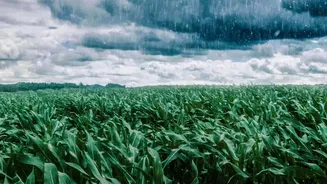
The 2026 monsoon season has been one of the most spatially distorted in a decade. While some regions have grappled with floods, a significant portion of the country has faced worrying deficits. Overall, the country has seen rainfall about 14-15% below
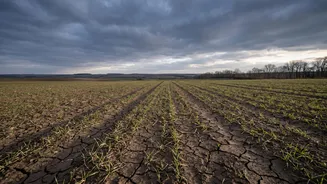
normal. This isn't a simple national story; it's a patchwork of extremes. Key agricultural states like Andhra Pradesh, Punjab, Bihar, and Karnataka have recorded significant shortfalls. With September rainfall also projected to be below normal, the cumulative deficit is creating anxiety as farmers prepare for the crucial winter, or Rabi, sowing season. This uneven distribution is seen as a bigger concern than the national average, as it directly impacts soil moisture and water availability in major food-producing belts.
Reservoirs: A Mixed Picture
The primary buffer against a poor monsoon is water stored in reservoirs, which is vital for irrigating Rabi crops. Nationally, water levels in India's major reservoirs are hovering below the long-term average, and significantly lower than last year. However, this national figure masks sharp regional disparities. Reservoirs in western and central India are reported to be at relatively comfortable levels, even above their ten-year averages for this time of year. In contrast, storage in the southern and northern regions remains sharply below normal, raising concerns for states that depend heavily on this water for winter cultivation. With soil moisture already below average in states like Karnataka, Maharashtra, and Andhra Pradesh, the depleted reservoirs in these areas pose a tangible risk to the winter crop.
The Rabi Sowing Calculation
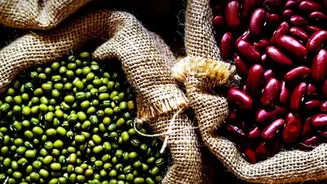
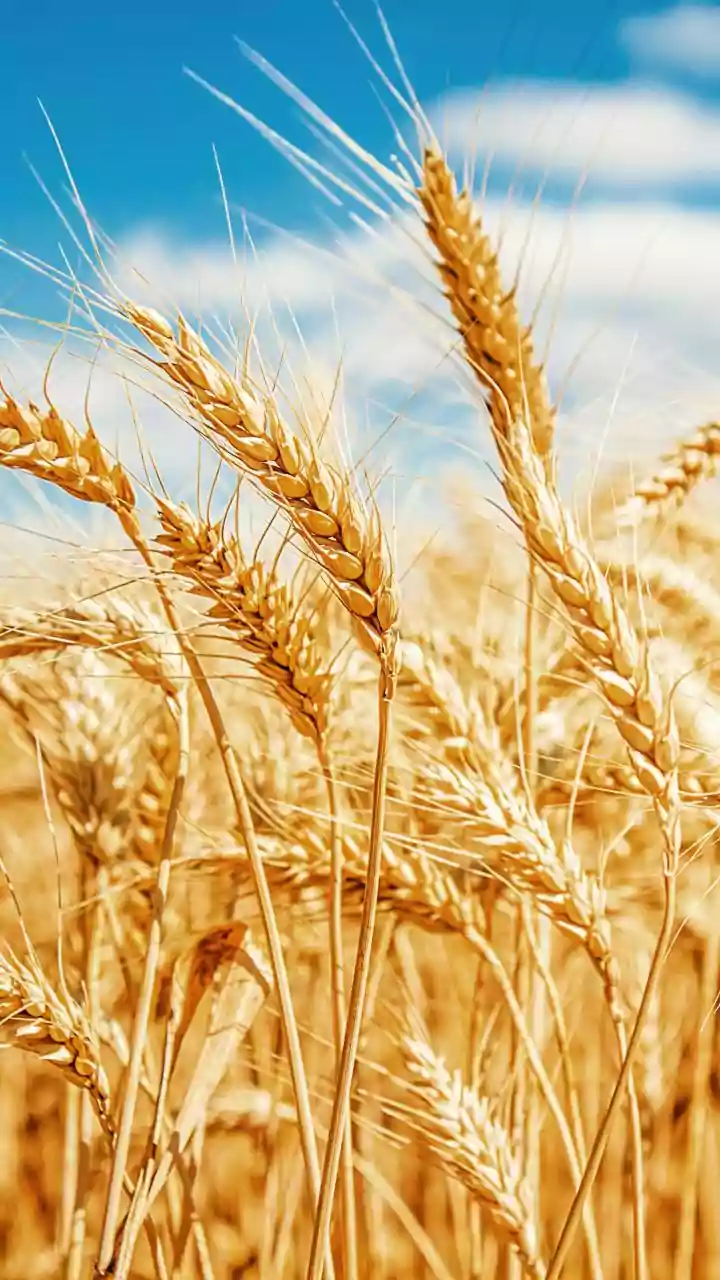
The Rabi season, which typically begins in October, accounts for nearly half of India's total food grain production, with wheat, gram, mustard, and barley being the main crops. Farmers' decisions on which crops to sow, and how much area to cover, are directly influenced by the availability of water and moisture left by the monsoon. The current conditions are forcing a difficult calculation. In areas with low soil moisture and depleted groundwater, farmers may be forced to shift from water-intensive crops to those that are more drought-resistant, such as pulses and oilseeds. Analysts have flagged that yields of rain-fed crops are particularly vulnerable. There is also a specific concern for winter-sown rice, with predictions that the area under cultivation could fall due to lower reservoir levels.
From Fields to Food Prices
The chain reaction from rainfall to food prices is straightforward: lower water availability can lead to reduced sowing area and lower crop yields, which in turn tightens supply and pushes up prices in the market. Some analysts project that food inflation could average around 6% in the coming fiscal year due to the monsoon's performance. Key staples could be affected. Local rice prices have already begun to climb on expectations of lower production. The government has attempted to provide a cushion by increasing the Minimum Support Price (MSP) for all major Rabi crops for the 2026-27 marketing season, with the aim of ensuring remunerative prices for farmers and encouraging crop diversification. However, the final market price for consumers will depend on the actual production output, which remains uncertain.
An Outlook of Cautious Optimism
Despite the clear challenges, some officials express cautious optimism. India's Chief Economic Adviser, V. Anantha Nageswaran, recently stated that the monsoon shortfall is "manageable" and that he does not expect the food inflation seen in August to persist through the end of the year. This view is based on the observation that while rainfall has been deficient, the total area under summer crop sowing is only marginally lower than last year, suggesting resilience among farmers. Furthermore, India's agricultural economy has diversified, with income from livestock and fisheries providing a buffer against poor crop seasons. Still, the coming weeks will be critical. The actual acreage sown for Rabi crops and updated reservoir levels will provide a clearer picture of whether household budgets will feel the pinch of this year's erratic monsoon.