




The Great Metro Re-evaluation
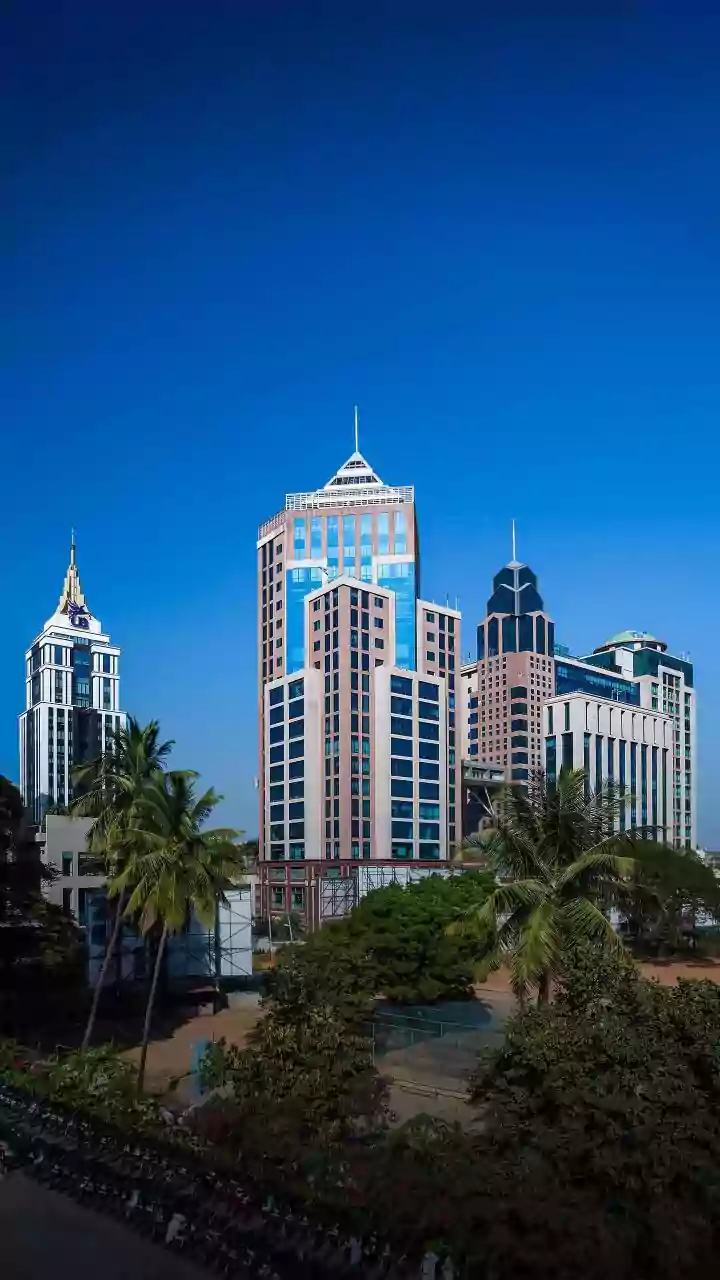
The dream of a career in Mumbai, Bengaluru, or Delhi is facing a reality check. While these hubs still offer immense opportunities, a growing number of creative professionals are questioning the trade-offs. The high cost of living, punishing commutes,
and relentless pace are leading to burnout. The post-pandemic normalisation of remote and hybrid work has shown that top-tier work is no longer tied to a specific pin code. This has empowered talent to prioritise quality of life, with more than half of professionals under 35 stating that a better lifestyle and proximity to family matter more than a metro salary. This isn't an exodus, but a strategic re-evaluation of what a successful career and a fulfilling life should look like. The result is a steady migration of talent towards Tier-2 and Tier-3 cities.
From Balance to True Integration
The conversation has shifted from work-life balance to work-life integration. Balance suggests a stressful trade-off, where one must be sacrificed for the other. Integration, however, is about creating a symbiotic relationship between professional duties and personal wellbeing. It’s about having the flexibility to structure a day in a way that accommodates both deep work and personal commitments without the rigid boundaries of a 9-to-5 office schedule. Startups in non-metro locations are often better positioned to offer this. Many operate with leaner teams and a culture that values autonomy and results over face-time, fostering an environment where work can fluidly integrate with life. This model is particularly appealing to creative professionals, whose work often thrives on inspiration and deep focus rather than a fixed schedule.
The Magnetic Pull of Regional Startups
The geography of Indian entrepreneurship is changing. Government data shows that around half of all recognised startups now originate from Tier-2 and Tier-3 cities like Jaipur, Coimbatore, Indore, and Kochi. These companies are not just smaller versions of their metro counterparts; they are building innovative solutions for a diverse 'Bharat'. For creative talent, this offers a unique proposition: the chance to have a bigger impact. In a smaller, fast-growing company, a designer, writer, or animator often has more responsibility, a shorter path to leadership, and a direct line of sight to how their work shapes the business. Furthermore, these regional startups offer a significant cost advantage, allowing them to be more capital-efficient while providing employees with a better quality of life due to lower living expenses.
A New Map for Indian Creativity
This talent shift is creating new hubs of innovation and creativity across the country. Technology has killed the distance, making it possible for a designer in Jaipur to work on a global campaign or an animator in Bhubaneswar to contribute to an international project. The rise of digital infrastructure, co-working spaces, and improving connectivity means professionals no longer have to move to a metro to access the tools and networks they need to thrive. This decentralisation is not only beneficial for employees but also for brands and companies. They can now tap into a wider, more diverse talent pool and gain deeper insights into regional markets. The creator economy, for example, is increasingly being driven by voices from non-metro regions who have an authentic connection with local audiences.