





Choose Your Destination Wisely
The allure of the mountains is strongest during the monsoon, but this is also when they are most volatile. States like Himachal Pradesh and Uttarakhand, while beautiful, are prone to landslides and flash floods. Recent years have seen tragic incidents
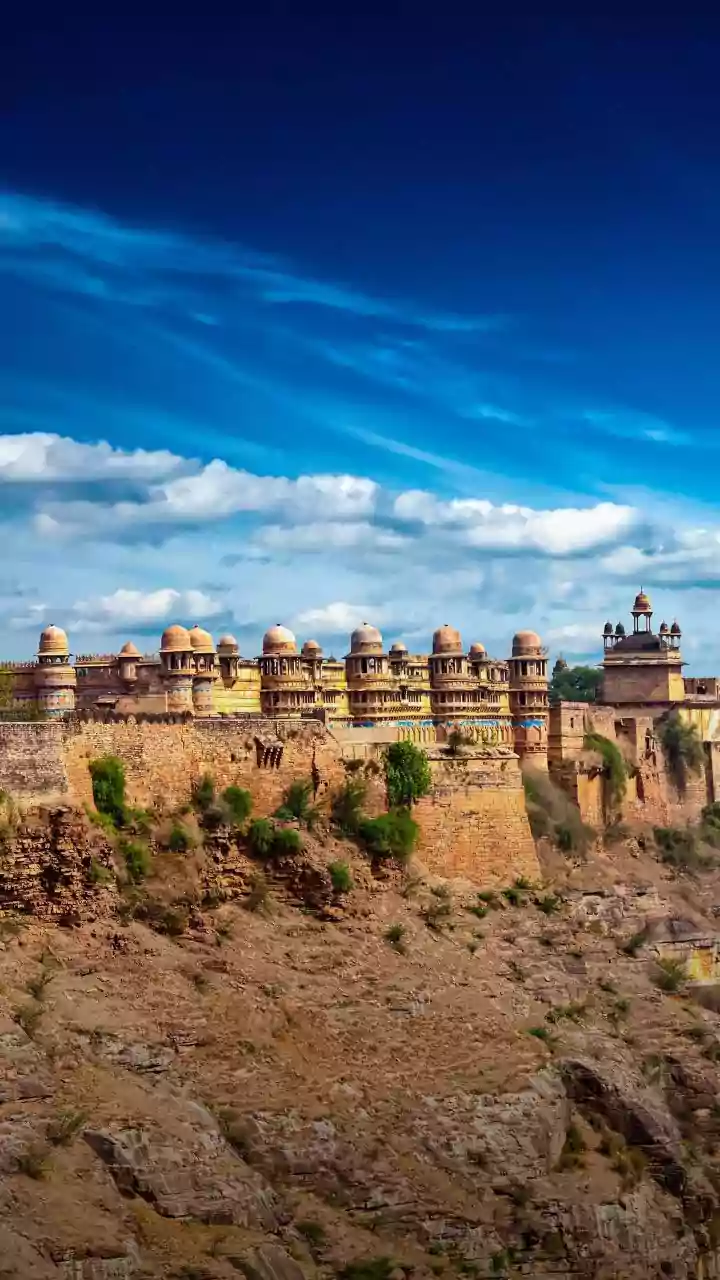
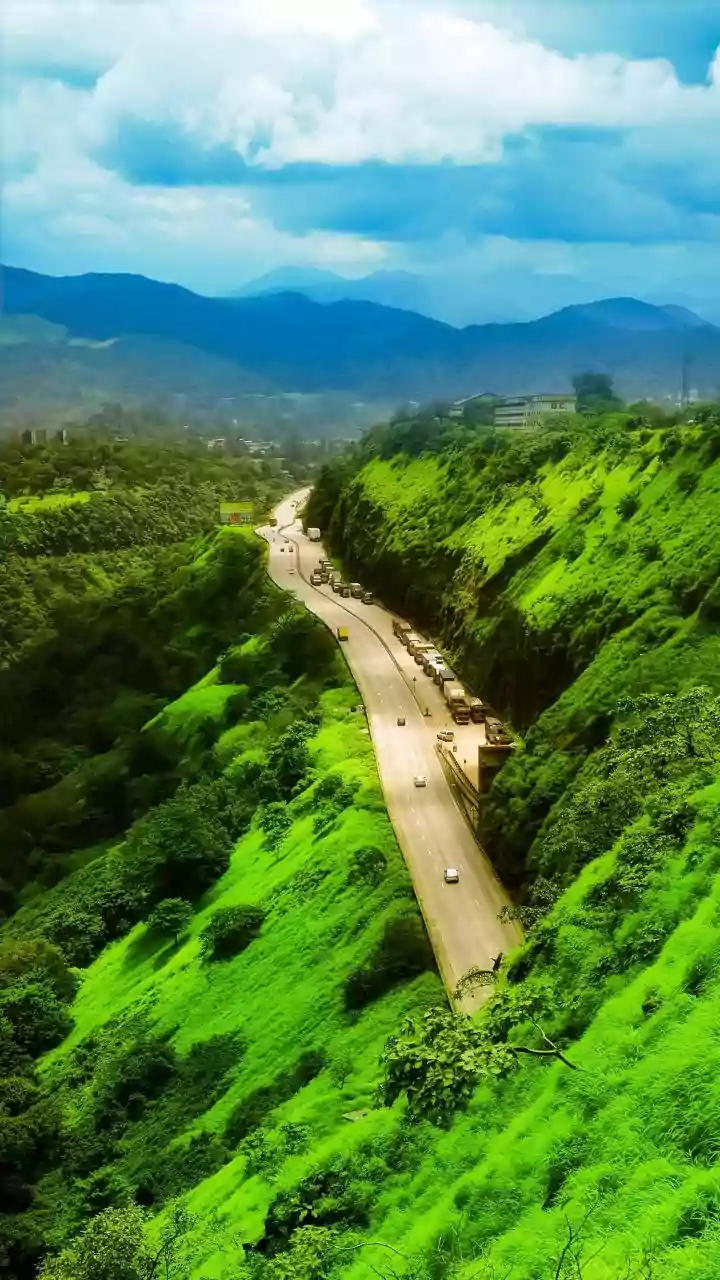
where roads were washed away, leaving tourists stranded. Instead of automatically heading for the most popular hill stations, consider destinations with better infrastructure and lower risk. The plateaus of Maharashtra, the backwaters of Kerala (with caution), or parts of Rajasthan and Tamil Nadu offer stunning rainy-season experiences with relatively more stable terrain. Before booking, do a quick news search for recent weather-related incidents in your chosen area. Opt for places that aren't already overburdened and have reliable emergency response systems.
Monitor the Forecast Religiously
A generic weather app showing a rain cloud isn't enough. During the monsoon, you need specific, reliable information. Make the India Meteorological Department (IMD) website your best friend. The IMD issues district-level warnings, colour-coded for intensity (green, yellow, orange, red). Pay close attention to these alerts. A 'red' or 'orange' alert is a clear signal to reconsider or cancel your plans for that region. Also, follow the social media accounts of local police and district disaster management authorities. They provide real-time updates on road closures, flooding, and other hazards that won't appear on a national weather forecast. Trusting local, official sources over general predictions can be the difference between a pleasant trip and a dangerous situation.
Pack for More Than Just Rain
A good raincoat and umbrella are obvious, but responsible monsoon packing goes deeper. Your packing list should anticipate potential disruptions. Include quick-drying clothes made from synthetic fabrics; cotton and denim take forever to dry in the humid air and can become uncomfortably heavy. Pack at least two pairs of sturdy footwear with good grip—one to wear while the other dries. A waterproof dry bag is non-negotiable for protecting your phone, camera, wallet, and power bank. A basic first-aid kit with antiseptic wipes, bandages, pain relievers, and any personal medications is crucial, as reaching a pharmacy might be difficult. Finally, pack a powerful torch or headlamp and a fully charged power bank. Power cuts are common during heavy rains, especially in remote areas.
Rethink Your Travel and Itinerary
Flexibility is key. During the monsoon, a rigid, packed itinerary is a recipe for disaster. Plan for buffer days in your schedule in case you get delayed by bad weather or road closures. When travelling in hilly regions, strictly avoid driving at night. Reduced visibility and the increased risk of landslides make it extremely hazardous. If possible, opt for train travel for longer distances, as rail networks are often less susceptible to weather disruptions than mountain roads. When you arrive, hire experienced local drivers who understand the terrain and its risks. Don't push them to take chances or drive on roads that have been declared unsafe. That 'secret waterfall' can wait if the path to it is treacherous.
Respect Local Advisories and Resources
When local authorities issue a warning or advise against travelling to a certain viewpoint or trekking route, listen. These advisories are based on professional assessments of risk, not a desire to spoil your fun. Ignoring them not only endangers you but also puts immense pressure on local rescue teams, diverting resources that may be needed to help residents. Be a considerate tourist. The monsoon is a difficult time for many local communities. Don't haggle excessively, be patient with delays, and understand that local services might be stretched thin. Your presence should be a boost to the local economy, not a burden on its emergency infrastructure.
Leave a Lighter Footprint
The principle of 'leave no trace' is even more critical during the monsoon. Rainwater can wash plastic wrappers, bottles, and other litter directly into streams and rivers, choking waterways and harming ecosystems downstream. Carry a small bag to collect all your non-biodegradable waste and dispose of it in designated bins back in a town or city. Avoid using single-use plastics wherever possible. Stick to marked trails when hiking. Wandering off-path can cause soil erosion, which is a major contributor to landslides. The lush greenery is fragile; a responsible traveller ensures it stays that way for everyone to enjoy.