


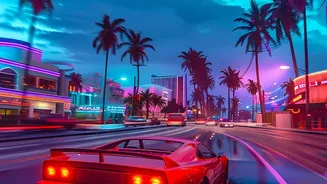
The release of Grand Theft Auto VI was more than a gaming event; it was a full-blown cultural phenomenon. But beyond the record-breaking sales, a secondary boom was happening in kitchens and on streets across the country.
The 'GTA Effect': A Digital Gold Rush
After a 13-year wait, the launch
of Grand Theft Auto VI on November 19 became one of the biggest entertainment events in history, rivaling Hollywood's largest blockbusters. With analysts predicting first-week sales in the billions and millions of players taking time off work—a phenomenon dubbed the 'GTA flu'—the stage was set for a massive, albeit temporary, shift in consumer behavior. When millions of people decide to stay home, glued to their screens for marathon gaming sessions, they don't stop eating; they just stop cooking. This created a perfect storm for the on-demand economy.
A Surge in Burgers, Fries, and Energy Drinks
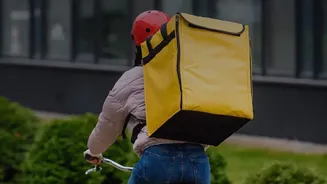
Food delivery platforms reported a significant spike in orders as gamers settled in for the long haul. DoorDash revealed that between 9 p.m. on the eve of the launch and 2 a.m. on release day, orders for classic gaming fuel like burgers, fries, chips, and pizza jumped by over 10 percent. Energy drink orders saw a 20 percent increase as players prepared to stay up all night. Uber Eats noted similar trends, with specific items like Red Bull Watermelon and Totino's Pizza Rolls seeing order increases of 95 percent and 54 percent, respectively. The surge wasn't just limited to food; DoorDash also reported a staggering 450 percent increase in orders for gaming accessories like controllers and a 440 percent jump in HDMI cables for last-minute setups.
A Well-Established Pattern
While the scale of the GTA VI launch is immense, this trend isn't entirely new. The connection between major entertainment events and food delivery is well-documented. Major sporting events, for instance, reliably cause massive spikes in demand for pizza, wings, and groceries as fans gather for watch parties. DoorDash has previously noted that the Super Bowl is its number one day for chicken wing orders. Similarly, studies have shown that binge-watching TV shows directly correlates with an increase in food orders, as viewers get drawn into their content. Gamers, in particular, are a key demographic, with one report noting they order food up to 70% more frequently than the average customer. These at-home cultural moments have become a predictable and lucrative part of the business model for delivery services.
Capitalizing on the Moment
Delivery services and restaurants didn't just passively receive orders; they actively leaned into the hype. Both Uber Eats and Grubhub offered promotional discounts to entice players. Some restaurant chains launched clever, limited-time tie-ins. Popeyes, for example, introduced a 'Spice City Sandwich', a playful nod to the game's setting of Vice City, and encouraged players to order it between missions. McDonald's even launched a mini-game on the gamer-centric chat platform Discord, integrating its brand directly into the gaming world. This shows a sophisticated understanding that a game launch is not just a product release, but a marketing opportunity that ripples across industries.
The Bigger Picture: Entertainment as an Economic Engine
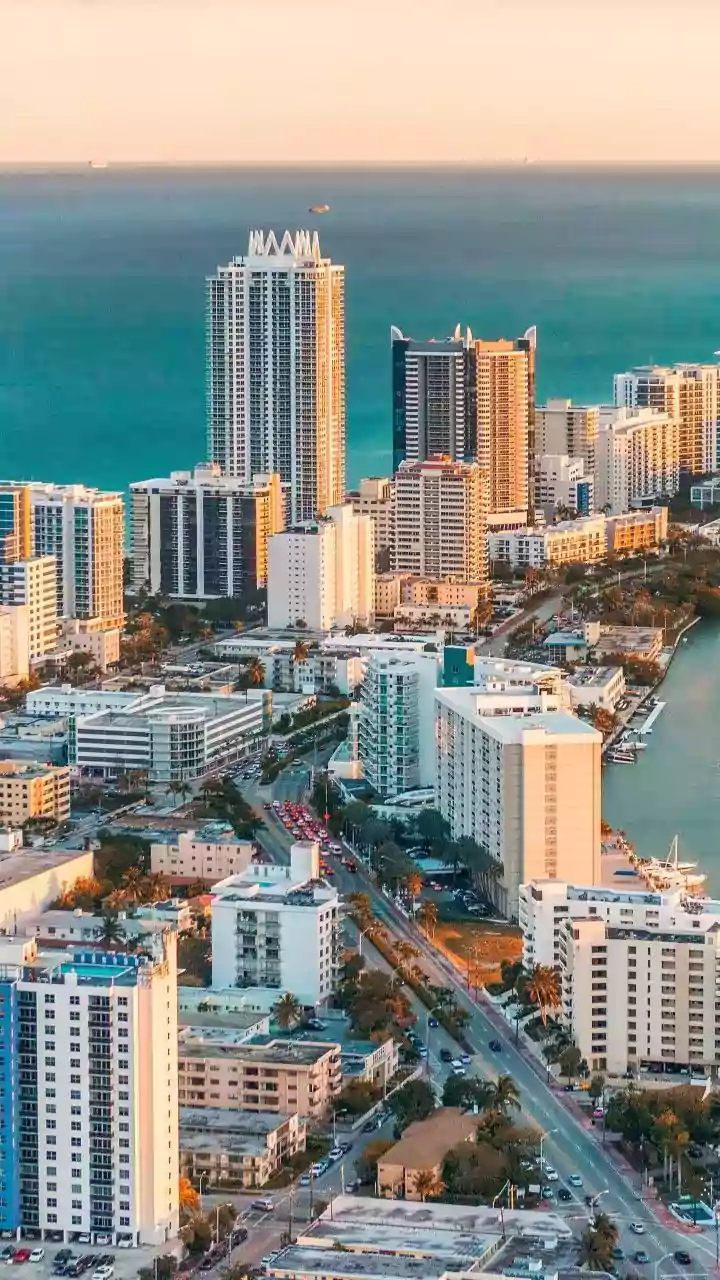
The GTA VI launch serves as a powerful case study for how deeply the digital and physical economies are now intertwined. An entertainment product, created and consumed on screens, had a direct and measurable impact on local restaurants and gig-economy drivers across the nation. Cities with strong ties to the game, like Miami—the real-world inspiration for Vice City—saw late-night orders on DoorDash and Uber Eats jump by nearly 25 to 30 percent. Analysts had forecast that the launch would drive tens of millions of extra visits to food apps. This trend highlights a broader shift where at-home entertainment is no longer just a passive activity but a significant driver of real-world commerce.