




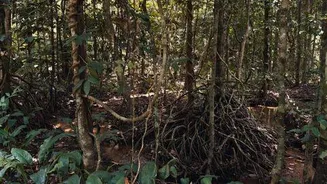

What are Riparian Systems?
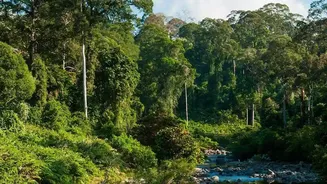
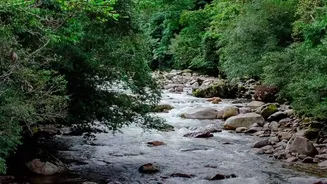
Riparian systems are the vibrant, green transition zones between land and a river or stream. These areas, commonly known as riverbanks, are much more than just strips of land; they are unique, biodiverse ecosystems. Their vegetation, from grasses and shrubs
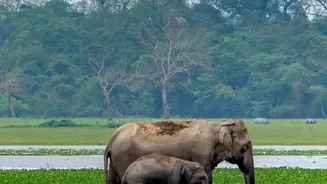
to towering trees, plays a critical role in the health of a river. The dense network of roots holds the soil together, preventing erosion and stabilizing the riverbanks. This vegetation also acts as a natural filter, trapping sediments and pollutants before they can enter the water, thus ensuring better water quality. These zones are hotspots of biodiversity, providing essential habitats, food, and corridors for a vast array of wildlife, including fish, birds, insects, and mammals.
Kerala's Lifelines Under the Microscope
Recognizing the mounting pressure on its natural heritage, the Kerala State Biodiversity Board (KSBB) has initiated comprehensive assessments of its ecosystems, including its vital riverine systems. This includes projects like India's first state-level Red List Assessment of Ecosystems, which uses the IUCN framework to scientifically evaluate the risk of ecosystem collapse across all 14 districts. These audits aim to map biodiversity, identify degradation, and understand the various threats facing these habitats. The goal is to create an evidence-based framework for conservation, restoration, and climate adaptation. By involving local Biodiversity Management Committees (BMCs), the initiative also fosters community participation in conservation, turning it into a grassroots effort.
The Unmistakable Signs of Strain
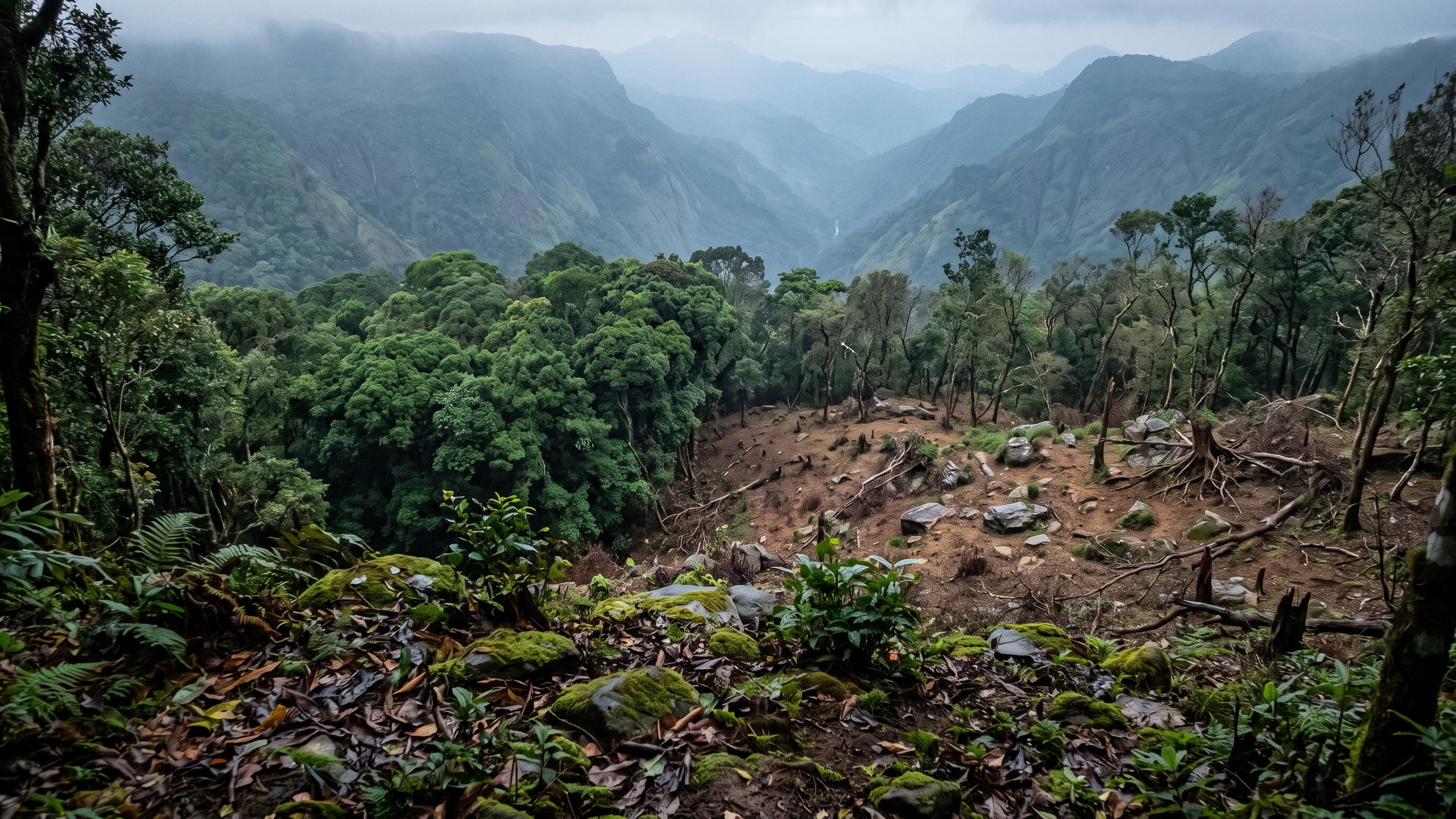
The audits and related studies are confirming what many have feared: Kerala's riparian systems are under severe ecological strain. One of the biggest threats is pollution. Untreated sewage from urban areas, agricultural runoff containing pesticides, and industrial waste flow directly into the rivers, degrading water quality and harming aquatic life. Relentless and often illegal sand mining is another major issue, which erodes riverbanks, lowers the water table, and destroys habitats. Furthermore, widespread encroachment for construction and agriculture has led to the clearing of natural riparian vegetation. This destruction is often replaced by concrete walls that prevent the river from performing its natural functions. The spread of invasive alien plant species also chokes out native flora, disrupting the delicate ecological balance.
Why Healthy Riverbanks Matter for Everyone
The degradation of riparian systems is not just an ecological issue; it has direct consequences for the people of Kerala. Healthy riverbanks act as natural sponges, absorbing excess water during heavy rains and mitigating floods. When this vegetation is removed, the risk of flash floods and soil erosion increases dramatically. Water quality also suffers, as pollutants are no longer filtered out. This has led to high levels of contamination in many of Kerala's rivers, posing a significant public health risk and contributing to a rise in water-borne diseases. The loss of these habitats also affects livelihoods. Native fish populations, which depend on healthy riparian zones for spawning and food, decline, impacting local fisheries. Ultimately, the health of these riverine arteries is directly tied to the region's water security, economic stability, and overall well-being.
A Path Towards Restoration
The data from these biodiversity audits is not just a diagnosis but a call to action. The findings will be used to create detailed maps identifying priority areas for ecological restoration. This allows for targeted interventions, such as the systematic removal of invasive species and the replanting of native trees and grasses that are best suited to stabilize the banks. For example, a successful project on the Chithari River in Kasaragod, led by the local Biodiversity Management Committee, has demonstrated how community-driven efforts can rejuvenate a degraded riverbank by removing invasive plants and planting native species. The ultimate aim is to integrate these conservation strategies into state and local planning, ensuring that future development respects the ecological boundaries of the rivers. By combining scientific assessment with community action, Kerala is forging a path to protect its invaluable riparian heritage for generations to come.