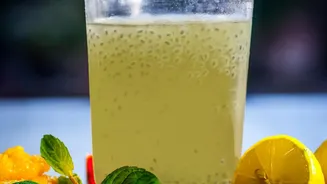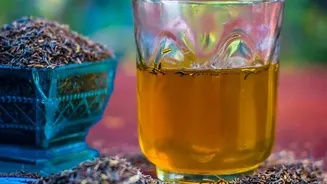





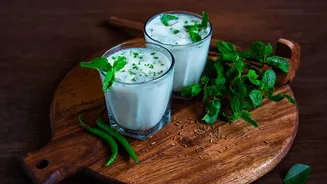
For decades, the choice for a fizzy drink in India was simple: cola or lemon-lime. But a homegrown flavour is bubbling up to challenge the status quo. Jeera soda, with its earthy, tangy profile, is carving out a significant space on shelves.
The Rise of a Familiar Flavour
The Indian
soft drink market, long a duopoly of American giants Coca-Cola and PepsiCo, is experiencing a significant disruption. The challengers are not new international entrants, but a wave of domestic brands championing a flavour found in every Indian kitchen: jeera, or cumin. This trend has seen homegrown brands double their share of the carbonated drinks market to about 15%, while the combined share of Coke and Pepsi has slipped from approximately 93% to 85%. Brands like Lahori Zeera, born from a kitchen experiment in Punjab, have rapidly grown into major players, with Lahori Zeera expecting revenues of up to $120 million this year. They are joined by a host of others, including Xotik Frujus' 'Jeeru', Reliance's 'Campa Jeera', and Parle Agro's 'Dhishoom'.
What's Driving the Jeera Craze?
The success of jeera soda is rooted in a shift in consumer preferences. There is a growing demand for familiar, traditional Indian flavours presented in convenient, modern formats. For generations, jeera-based drinks have been a staple at roadside stalls, often consumed as a digestive aid. Packaged jeera soda brands have successfully tapped into this nostalgia and perceived health benefit, positioning their products as a more wholesome alternative to conventional colas. This shift is part of a broader movement towards local products and a desire for authenticity. The affordability of these drinks, often priced at a crucial ₹10 price point for mass-market appeal, has also been a key driver of their widespread adoption.
A Crowded and Fizzing Field
The opportunity has not gone unnoticed, leading to a crowded and competitive marketplace. While Lahori Zeera has seen explosive growth since its 2017 launch, other brands have been in the game for much longer. House of Bindu, for example, launched its cumin soda nearly 25 years ago, but sales only began to surge in recent years. The company reports that jeera soda is now its fastest-growing category, doubling its contribution to revenue from 20% to 40% in just five years. This intense interest is reflected in startling statistics, with one report from a delivery company noting that online orders for these ethnic beverages jumped by 900% during the summer.
How Are the Cola Giants Responding?
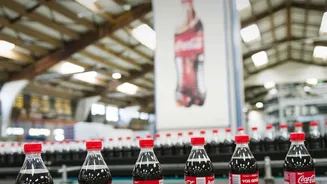
The established giants are not standing still. This is reportedly the first time the long-standing duopoly has faced such a serious challenge from domestic players. In response to the gains made by brands like Lahori Zeera and Campa Cola, both Coca-Cola and PepsiCo have become more aggressive in the budget-friendly segment. Coca-Cola, which acquired the jeera brand Rimzim in the 1990s, has reportedly doubled its production and is focusing on the distribution of ₹10 returnable glass bottles, particularly in smaller cities. PepsiCo’s bottling partner has also acknowledged the stiff competition and signalled a willingness to compete on price. This strategic pivot shows that the major players are taking the threat from regional flavours seriously.
The Road Ahead for India's Flavourful Rebellion
While the rise of jeera soda is a compelling story of local taste triumphing over global brands, the future holds challenges. The thin profit margins, especially on products sold for ₹10, are under pressure from the rising costs of raw materials like sugar and packaging. Furthermore, as these regional brands expand nationally, they will face greater logistical hurdles and even more direct competition from the deep-pocketed multinational corporations who command vast distribution networks. Despite these obstacles, the demand continues to soar. Some manufacturers report that even with doubled production capacity, they are unable to keep up with orders, signalling that this flavourful rebellion is far from fizzling out.