







Embrace Strategic Ventilation
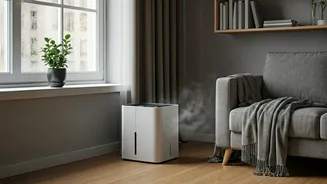
Your first line of defence against dampness is good airflow. It may seem counterintuitive to open windows during the monsoon, but it's crucial for circulating fresh air and reducing indoor humidity. Make it a habit to open windows and doors for at least
30 minutes a day, preferably during dry spells or when it's sunny. This simple act prevents stale, moisture-laden air from accumulating. In areas prone to high moisture like kitchens and bathrooms, using an exhaust fan is essential to expel damp air immediately after cooking or showering. Cross-ventilation is particularly effective, so try opening windows on opposite sides of your home to create a natural breeze.
Harness the Power of Salt
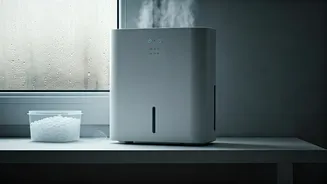
Rock salt is a cost-effective and powerful natural dehumidifier. Its hygroscopic properties mean it naturally draws and absorbs moisture from the air. To use it, simply fill a few bowls with coarse rock salt and place them in damp corners, closets, or any area that feels humid. As the salt absorbs moisture, it will eventually become saturated and may even dissolve into a brine. You can see it working as water collects in the bottom of the bowl. Check the bowls regularly and replace the salt once it becomes overly damp to maintain its effectiveness. For a decorative touch, mix the salt with a few drops of essential oils like tea tree or eucalyptus for a fresh scent.
Utilise Charcoal's Absorbent Qualities
Charcoal is another excellent, all-natural moisture absorber. Its porous nature makes it highly effective at trapping both humidity and musty odours. Place a few charcoal briquettes in breathable mesh bags or an old sock and hang them in your wardrobes, shoe racks, and cabinets. You can also place them in an open bowl. Unlike salt, charcoal doesn't dissolve, but it does need to be replaced every few months to ensure it continues to work efficiently. It's a simple, passive way to keep enclosed spaces from developing that signature monsoon mustiness.
Introduce Moisture-Absorbing Plants
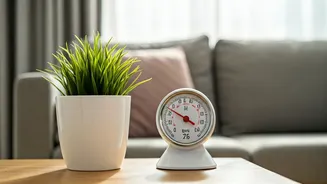
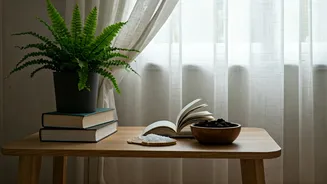
Certain indoor plants act as natural dehumidifiers, absorbing excess moisture through their leaves. Plants like Peace Lilies, Snake Plants, Boston Ferns, and Spider Plants are known for this ability. They not only help regulate humidity but also purify the air, removing common toxins and improving the overall indoor environment. Placing these plants in living areas, bedrooms, or even bathrooms can contribute to a fresher, healthier home. Plus, they add a touch of green, which can brighten up any gloomy, rainy day.
Rely on Traditional Fragrances like Camphor
Camphor is a traditional Indian remedy for musty smells and dampness, valued for its strong, clean fragrance and anti-fungal properties. Placing a few camphor tablets in a small bowl on a shelf or tucking them into the corners of your cupboards can help absorb moisture and keep insects like silverfish at bay. For a wider effect, you can crumble a small amount of camphor into your mop water. This acts as a natural disinfectant and leaves a refreshing scent throughout the house after cleaning.
Use Neem Leaves for Protection
Neem is a powerhouse herb with potent antibacterial and antifungal properties, making it a valuable tool during the monsoon. To prevent mould and repel insects, place dried neem leaves in wardrobes, between clothes, in bookshelves, and in kitchen cabinets. The leaves release compounds that inhibit fungal growth and deter pests without the need for chemical sprays. This age-old practice is not only effective but also completely safe and natural, ensuring your belongings stay protected from the damp.