




A Flavourful Solution to Food Waste
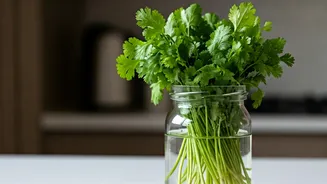
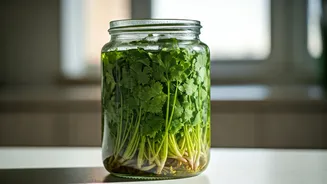
We’ve all been there. That gorgeous bunch of fresh coriander, fragrant basil, or woody rosemary seems like a great idea at the market. You use a handful, and then life gets in the way. Days later, you find a sad, blackened bunch of herbs at the back of your
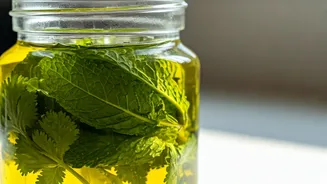
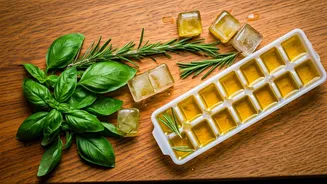
vegetable drawer. It feels wasteful because it is. But what if you could capture that fresh flavour and have it ready to use, perfectly portioned, for months? Freezing fresh herbs in olive oil is the answer. This method is brilliant because the oil coats the herbs, protecting them from exposure to air. This prevents the browning and freezer burn that often occurs when herbs are frozen in water or on their own. The fat also helps lock in the herbs’ essential oils, preserving their distinct aroma and taste far more effectively. The result is a convenient, flavour-packed cube you can use to kickstart countless dishes.
The Best Herbs for the Job
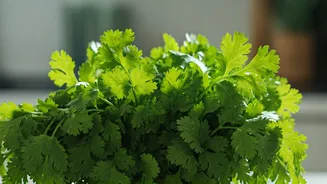
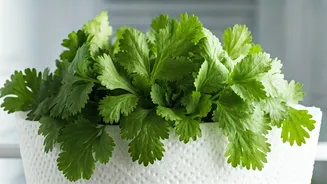
While you can technically try this with any herb, some are better suited for this method than others. Hearty, woody herbs are the champions of olive oil freezing. Their robust structure holds up beautifully. Think of herbs like: - Rosemary - Thyme - Sage - Oregano - Marjoram Softer, more delicate herbs can also be frozen this way, but with a slight caveat: they will darken in colour. However, they will still retain their flavour, making them perfect for cooked dishes where appearance isn't the primary concern. Don't be afraid to try this with: - Basil (perfect for future pasta sauces) - Coriander (great for starting a curry or dal) - Mint (for adding a twist to peas or lamb dishes) - Parsley - Dill You can also get creative and make your own custom blends. A combination of rosemary, sage, and thyme is fantastic for winter roasts, while a parsley, oregano, and basil mix is a perfect starter for an Italian-inspired soup.
A Simple Step-by-Step Guide
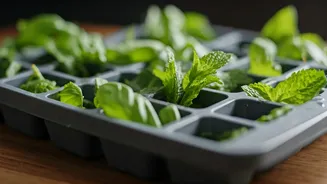
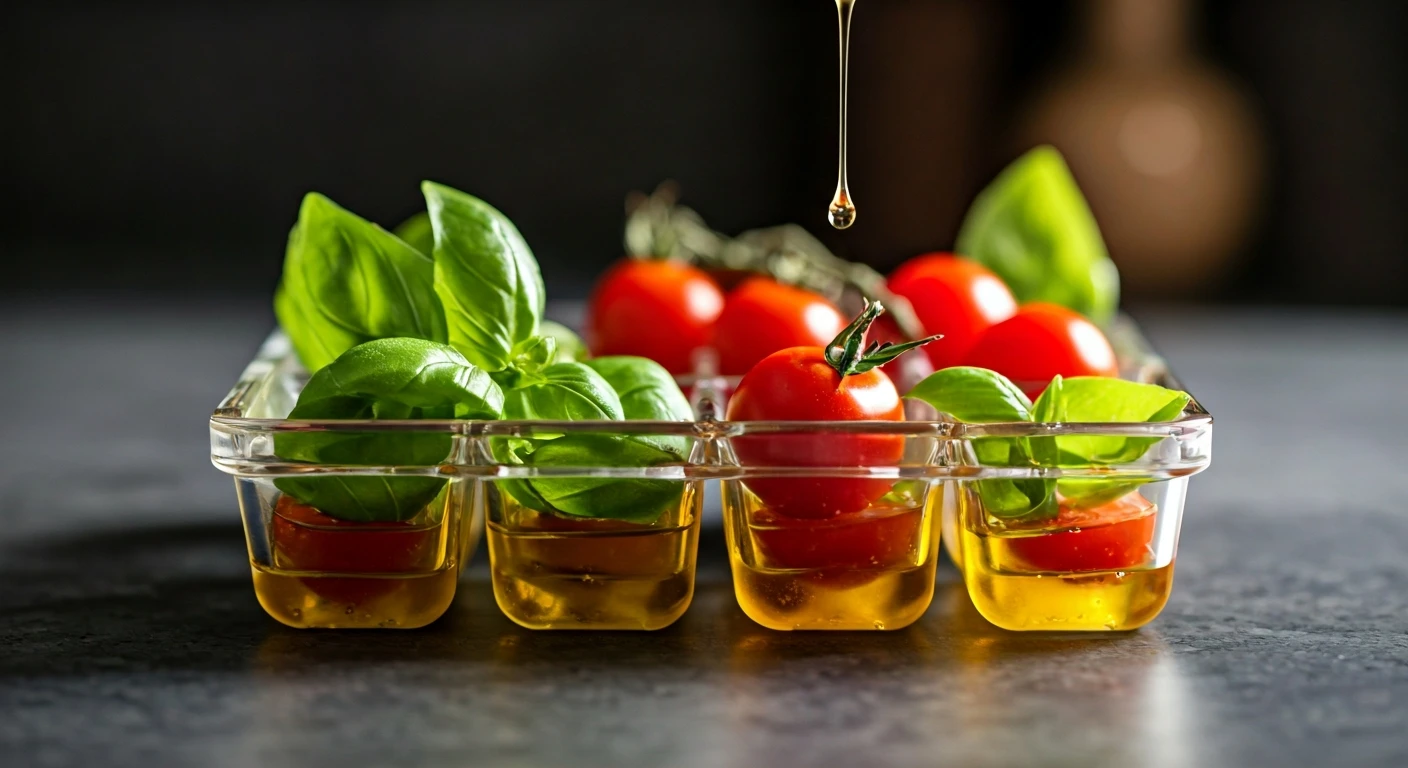
The process is almost laughably simple, requiring just a few minutes of prep for a huge payoff down the line. You'll need fresh herbs, a good quality olive oil, and an ice cube tray (silicone trays work best as they make it easier to pop the frozen cubes out). 1. **Wash and Dry:** Thoroughly wash your herbs and pat them completely dry. Excess water will form ice crystals and can dilute the flavour. 2. **Chop:** Finely or roughly chop your herbs, depending on your preference. For herbs like rosemary and thyme, you can simply pull the leaves from the stem. 3. **Fill the Tray:** Pack the wells of your ice cube tray about two-thirds full with the chopped herbs. Don't press them down too tightly. 4. **Add the Oil:** Pour a good quality olive oil over the herbs, filling each well to the top. It doesn’t have to be your most expensive extra-virgin olive oil; a good all-purpose one works perfectly. 5. **Freeze:** Carefully place the tray in the freezer and let the cubes freeze solid, which usually takes a few hours. 6. **Store for Later:** Once frozen, you can pop the cubes out of the tray and transfer them to a labelled freezer bag or airtight container. This frees up your ice cube tray for the next batch! They will keep well for up to six months.
How to Use Your Herb Cubes
This is where the magic happens. These little green gems are incredibly versatile. The oil and herbs melt together, creating an instant flavour base for your cooking. Think of them as 'flavour bombs' that can be deployed in dozens of ways. Drop a cube or two into a hot pan to start a sauté for vegetables or meat. The oil will melt, releasing the fragrant herbs. Toss one into a pot of soup, stew, or dal in the last few minutes of cooking for a burst of fresh flavour. Melt a cube and drizzle it over roasted vegetables or potatoes fresh from the oven. You can even melt one in the microwave and whisk it with some vinegar and salt for a quick and flavourful salad dressing. For a simple but elegant dish, stir a cube of basil-and-oil into a bowl of hot pasta with some grated Parmesan cheese. The possibilities are truly endless.