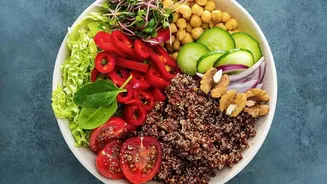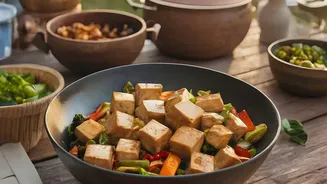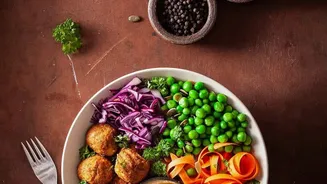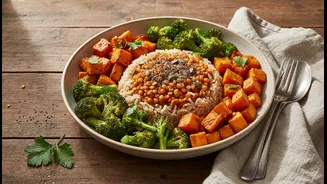






Why the Sudden Buzz About Fibre?
The growing interest in fibre isn't just a fleeting trend; it's a response to a greater awareness of how food impacts long-term health. As more people seek proactive ways to manage wellness, dietary fibre has emerged as a multitasking hero. It's best
known for aiding digestion and preventing constipation, but its benefits go much further. A high-fibre diet is linked to better blood sugar control, lower cholesterol levels, and effective weight management because it helps you feel full for longer. For many, incorporating more fibre is a simple yet effective strategy to boost overall health, moving beyond remedies and towards daily prevention.
Understanding the Two Types of Fibre
Not all fibre is the same. It generally falls into two categories: soluble and insoluble, and we need both. Soluble fibre dissolves in water to form a gel-like substance in your digestive system. Found in oats, beans, apples, and carrots, it helps slow digestion, which aids in controlling blood sugar and lowering cholesterol. Insoluble fibre does not dissolve in water. It adds bulk to stool and helps food pass more quickly through the stomach and intestines, which is great for promoting regularity. Good sources include whole-wheat flour, nuts, and vegetables like cauliflower and green beans. Most plant-based foods contain a mix of both, so a varied diet is the best approach.
The Return to Traditional Indian Grains
The good news is that Indian cuisine is naturally rich in fibre; we just need to embrace our traditional staples. Millets like jowar (sorghum), bajra (pearl millet), and ragi (finger millet) are making a major comeback. These ancient grains are nutritional powerhouses, packed with fibre, protein, and essential micronutrients. Swapping refined white rice with brown rice or millets is an easy first step. Likewise, choosing whole wheat (atta) for rotis and parathas over refined flour (maida) significantly increases your daily fibre intake. Legumes and pulses, the heart of countless Indian meals like dal, rajma, and chana masala, are also excellent sources of both fibre and plant-based protein.
New Stars in the Modern Pantry
Alongside traditional foods, some newer ingredients are becoming pantry regulars. Oats, once seen only as a breakfast porridge, are now used to make upma, chilla, and even dosa batter. Seeds like chia and flax have gained immense popularity for their high fibre content. Just a tablespoon sprinkled over curd, blended into a smoothie, or added to roti dough can provide a significant fibre boost. These ingredients are versatile and easy to incorporate, making them a simple hack for a healthier diet without drastically changing familiar recipes.
Easy Swaps for a Fibre-Rich Diet
Increasing your fibre intake doesn't require a complete dietary overhaul. Small, consistent changes can make a big difference. Start by filling half your plate with vegetables at lunch and dinner. Choose whole fruits like guavas, apples, and bananas over fruit juices to get the full fibre benefit. For snacks, swap packaged biscuits for roasted chana, a handful of nuts, or a bowl of sprouts. When you make dal, leave it unhusked (chhilka dal) for extra fibre. Remember to increase your water intake as you add more fibre, as it helps the fibre do its job effectively. The key is to start small and make swaps that you can sustain.