







The Comfort Revolution
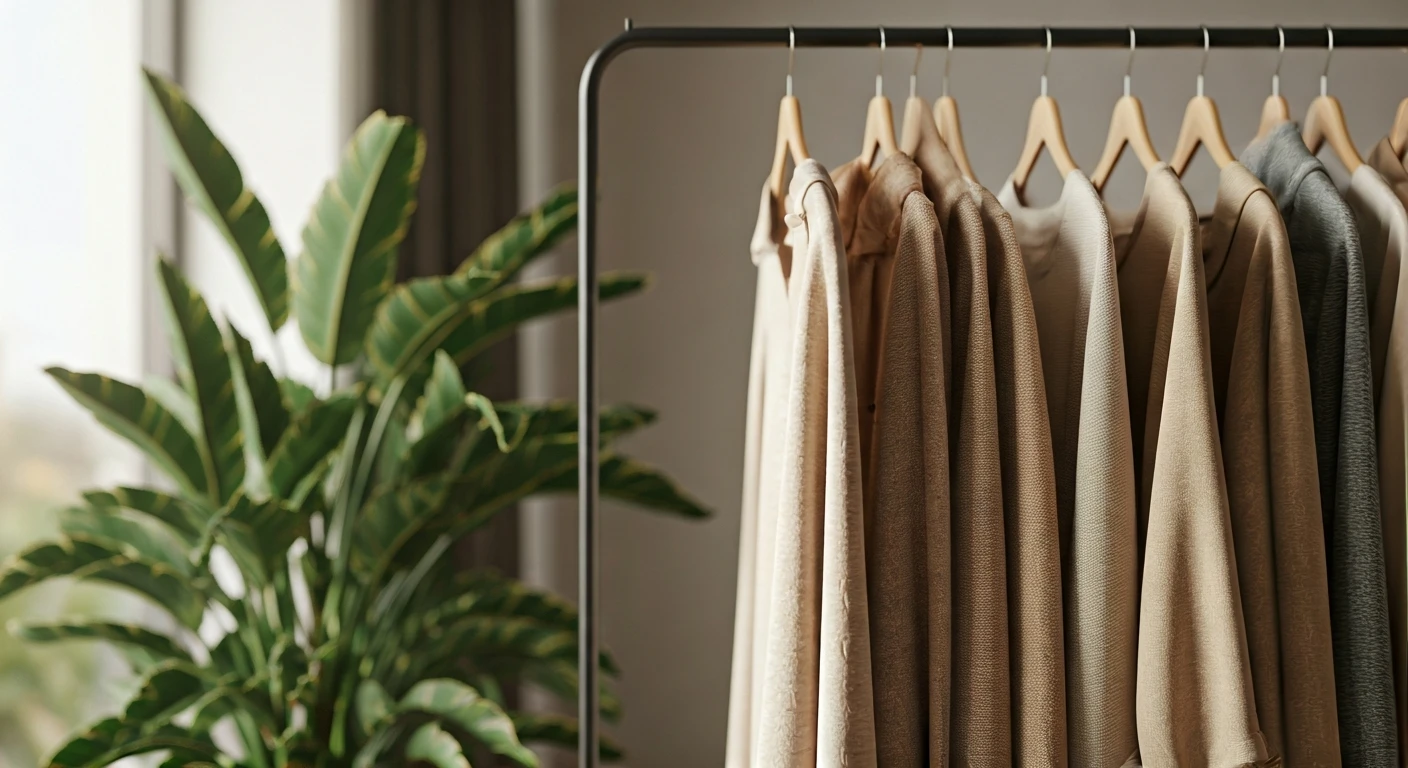
The post-pandemic world has cemented a significant shift in consumer preferences, with comfort taking precedence over glamour. Having spent extended periods at home, consumers gravitated towards loungewear and breathable fabrics. This preference didn't
fade as normalcy returned; instead, it became a baseline expectation. Today, shoppers actively seek out clothes that blend aesthetics with ease of wear. This trend is visible across the board, from relaxed silhouettes in workwear to the soaring popularity of athleisure. Brands are responding by incorporating materials like cotton, linen, and modal, which are not only comfortable but also well-suited to the Indian climate. This focus on comfort is no longer a niche; it's a mainstream demand influencing everything from daily wear to office attire.
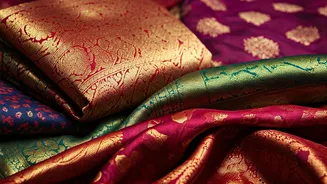
Beyond the Big Fat Indian Wedding
For decades, Indian fashion was heavily weighted towards occasion wear, with wardrobes built around weddings and festivals. While these events remain culturally significant, consumer focus has expanded to include the 'in-between' moments. There's a growing demand for versatile pieces that offer value beyond a single event. Consumers are looking for timeless, season-less garments that can be styled in multiple ways, maximizing their cost-per-wear. This has led to a re-evaluation of what constitutes a valuable purchase. It's less about the one-time 'wow' factor and more about longevity, functionality, and how a garment integrates into an everyday lifestyle. Even wedding attire is seeing a shift, with more people opting for sustainable or reusable couture.
The Rise of Real-Fit Brands
This consumer-led shift has been powerfully enabled by the rise of direct-to-consumer (D2C) brands. These digital-native companies are disrupting the market by eliminating middlemen and communicating directly with their customers. This allows them to be incredibly agile, responding quickly to feedback on fit, style, and demand. Many of these brands are built on a foundation of inclusivity, offering wider size ranges and designing for diverse Indian body types—a long-standing gap in the market. They leverage social media and data to understand their audience deeply, creating products and brand narratives that resonate with a generation seeking authenticity over airbrushed perfection. The success of these D2C startups underscores the market's hunger for brands that listen and adapt.
Functionality with Flair
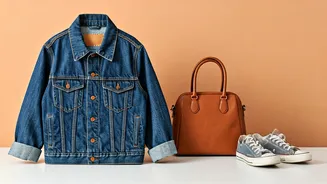
The new Indian wardrobe is defined by functionality co-existing with style. Consumers are building classified wardrobes with specific apparel for different activities—formal, casual, active, and leisure wear. This doesn't mean a sacrifice of style, but rather an integration of it into practical garments. For example, a well-tailored linen shirt works for a casual meeting and a weekend brunch. A-line dresses in breathable cotton offer chic comfort. This trend toward 'transitional' or 'versatile' pieces is a core tenet of modern Indian fashion. Clothing is increasingly seen as a form of self-expression that must also serve a practical purpose in the context of long commutes, varied social occasions, and changing work environments.
A New Definition of Value
Ultimately, this trend signals a more discerning and confident Indian consumer. Value is no longer defined solely by price but by a combination of factors: quality, durability, versatility, and brand authenticity. Shoppers are willing to invest in pieces that last and align with their personal values, which increasingly include sustainability and ethical production. While aspirational purchases still have a place, especially around special occasions, the everyday decision-making process is rooted in practicality. This shift represents a maturation of the market, where consumers are not just buying clothes, but curating a wardrobe that genuinely reflects and supports their real, multifaceted lives.