






Designing for People, Not Just Cars
For decades, urban planning has prioritised the movement of vehicles, leading to sprawling road networks and traffic congestion. A shift towards human-centric design can have profound health benefits. Creating walkable neighbourhoods is a key part of this.
When daily necessities are a short, pleasant walk away, people are more likely to engage in regular physical activity. This simple change is linked to lower rates of obesity, diabetes, and cardiovascular disease. It also boosts mental health by reducing the stress of traffic and creating opportunities for casual social interactions—those 'weak ties' with neighbours and local shopkeepers that build a sense of community. Building dedicated, safe cycling lanes further encourages active transport, reducing our reliance on cars and, in turn, cutting down on air pollution.
Embracing the '15-Minute City'
Building on the idea of walkability is the concept of the '15-minute city'. Popularised by Professor Carlos Moreno, the goal is for every resident to access all their essential needs—work, shopping, education, healthcare, and leisure—within a 15-minute walk or bike ride. This model decentralises the city, creating self-sufficient neighbourhoods where long commutes become the exception rather than the rule. The benefits are multi-fold: less time spent in traffic means more time for family, hobbies, and rest. It promotes a healthier lifestyle and can improve work-life balance. For this to work, cities need mixed-use zoning that allows for a blend of residential, commercial, and recreational spaces within the same area.
More Green, More Breathable Spaces
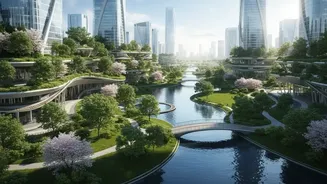
The presence of green space is not just about aesthetics; it is a critical component of public health. Parks, urban forests, and even small community gardens act as the lungs of a city, filtering pollutants and improving air quality. Research shows that increasing a city's green cover can significantly reduce premature deaths. Access to nature has also been proven to lower stress, reduce anxiety, and improve overall mental well-being. In densely populated Indian cities where creating large new parks can be challenging, creative solutions like vertical gardens, green roofs, and lining streets with trees can make a substantial difference. These measures also help combat the urban heat island effect, making cities cooler and more liveable.
Tackling Air and Noise Pollution
Chronic exposure to air and noise pollution is a silent health crisis in many urban centres. Air pollution is linked to respiratory illnesses, while constant noise from traffic and construction contributes to stress and sleep disturbances. Healthier cities require proactive strategies to tackle these issues. This includes promoting electric vehicles, expanding public transport networks, and creating low-emission zones to limit traffic in dense areas. Planting green belts and vegetation buffers around residential areas can act as natural barriers, absorbing both noise and air pollutants. Better urban planning can also route heavy traffic away from residential zones, schools, and hospitals, creating quieter, healthier environments for everyone.
Fostering Community and Connection
A healthy city is one where people feel connected to their community. Urban design can either foster or hinder social interaction. Public squares, well-maintained community centres, and local markets become natural gathering spots that combat loneliness and build social cohesion. When communities are involved in shaping their own neighbourhoods—through participatory planning for parks or local events—it creates a sense of ownership and empowerment. These initiatives are crucial because strong social connections are a key determinant of both mental and physical health. Community engagement ensures that health initiatives are culturally relevant and meet the actual needs of the people living there, leading to more sustainable and effective outcomes.