




Heatwaves, Humidity, and a Hint of Rain
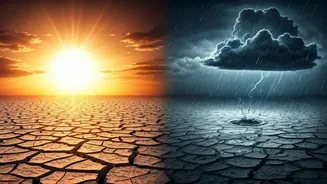
Delhi is currently caught in a challenging weather pattern, simultaneously grappling with heatwave conditions and the promise of monsoon showers. [15] On Sunday, June 28, the city recorded its warmest morning in two years, with the minimum temperature
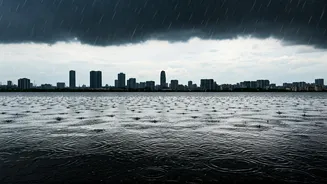
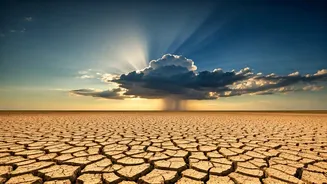
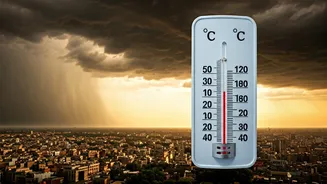
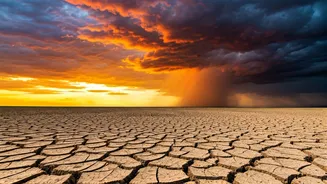
hitting 31.1 degrees Celsius and the maximum reaching 41.8 degrees. [4, 18] The situation is compounded by high humidity, which has pushed the 'feels-like' temperature to a staggering 50.7 degrees Celsius. [4] While the southwest monsoon's arrival is slightly delayed, expected in the first week of July, its approach is creating a volatile mix. [14, 18] The India Meteorological Department (IMD) has forecast thunderstorms with rain for the coming days, even as it warns of persistent heat. [5, 18] This duality means Delhiites must prepare for both scorching sun and sudden downpours, often on the same day.
Why Now? The Science of a Monsoon in Transition
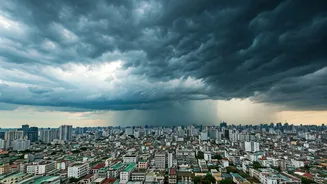
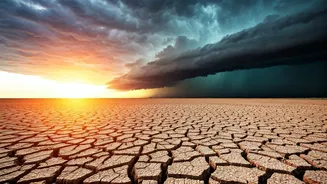
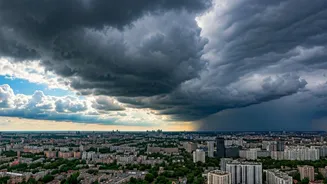
This confusing weather is characteristic of the period when the pre-monsoon season gives way to the full-fledged southwest monsoon. The monsoon doesn't arrive like flipping a switch; it's a gradual atmospheric handover. Currently, dry westerly winds are interacting with moisture-laden southwesterly winds over the region. [18] This interaction generates clouds and raises humidity but often lacks enough moisture for widespread, sustained rainfall. [18] The intense ground heat provides the energy for thunderstorms to develop, but they are often sporadic and occur late in the afternoon or evening after the day's peak temperatures have already been recorded. [13, 18] The IMD has noted that conditions are becoming favourable for the monsoon to advance across northern states, but until it fully establishes itself over Delhi, this pattern of high heat, stifling humidity, and occasional gusty showers will continue. [4, 6]
A Double-Edged Sword for Your Health
The combination of extreme heat and high humidity, known as 'wet-bulb' conditions, poses significant health risks. [21] When humidity is high, the body's ability to cool itself by sweating is diminished, increasing the risk of heat exhaustion and heatstroke. [21] At the same time, the arrival of rain brings its own set of concerns. Stagnant water becomes a breeding ground for mosquitoes, elevating the threat of vector-borne diseases like dengue, malaria, and chikungunya. [3, 8] Contaminated water can also lead to gastrointestinal infections, typhoid, and hepatitis. [3] Furthermore, the high moisture content in the air can exacerbate respiratory conditions and lead to a rise in fungal skin infections. [3, 19] This makes it crucial to take precautions against both heat-related illnesses and monsoon-related infections.
Your Daily Survival Guide
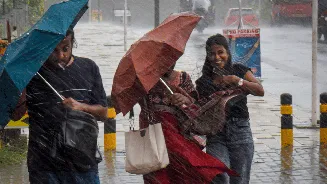
Navigating this tricky season requires being prepared for anything. The headline says it all: carrying both an umbrella and a water bottle is non-negotiable. For hydration, rely on water, coconut water, or fresh juices, and avoid excessive caffeine and sugary drinks that can lead to dehydration. Dress in light, breathable fabrics like cotton and linen to help your body stay cool. It's also wise to wear or carry waterproof footwear to protect your feet from contaminated water on the streets. [3] To combat the health risks, use mosquito repellent, especially during the evening, and ensure there's no stagnant water collecting in or around your home. Be cautious about street food, which can be a source of water-borne diseases during this time. [19] Finally, planning your commute can save a lot of trouble; be prepared for traffic disruptions caused by sudden waterlogging.
What the Forecast Holds
Looking ahead, the IMD predicts this transitional phase will continue for a few more days before the monsoon likely sets in more definitively around the first week of July. [14] Forecasts for the week ahead show a gradual decrease in maximum temperatures as rain becomes more frequent. [2] Spells of light-to-moderate rain accompanied by thunderstorms and strong winds are expected throughout the week. [2, 5] While this will bring much-needed relief from the intense heat, it signals the official start of the monsoon season's challenges, including increased humidity and potential waterlogging. [2] Residents can expect the 'feels-like' temperature to remain high due to the humidity, even as the actual temperature drops. [4]