


In many Indian kitchens, the scents of cardamom, cloves, and freshly brewed chai coexist. But what happens when these aromas mingle too closely? Your prized tea leaves might be paying the price, losing their delicate notes to stronger spices.
The Aromatic Invasion
Think of
your dried tea leaves as a sponge. Their structure is incredibly porous and, once processed and dried, they are hygroscopic, meaning they readily absorb moisture—and odours—from the surrounding air. This is precisely why traditionally scented teas, like jasmine tea, are made by placing the leaves in close contact with fragrant flowers. The tea naturally soaks up the floral aroma. Unfortunately, this same quality makes tea highly susceptible to absorbing any strong scent it's stored near. The powerful, volatile compounds that give spices like cinnamon, cloves, and fenugreek their signature kick can easily migrate and latch onto your tea leaves, permanently altering their flavour profile.
Why the Masala Box Is a Problem
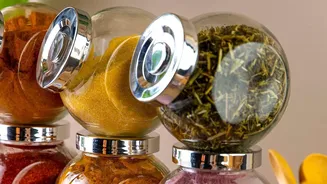
The traditional Indian masala dabba, or spice box, is a powerhouse of potent fragrances. While convenient for cooking, it's the worst possible neighbour for your tea. Each compartment contains spices loaded with aromatic oils that are constantly being released into the air. If your tea container is stored right next to this box, even in what you think is a sealed package, it's at high risk. Over time, that robust Assam or delicate Darjeeling will start to taste less like tea and more like a confused blend of everything in your spice collection. The very compounds that make your curries delicious can corrupt the pure, nuanced taste you expect from your daily cup.
The Five Rules of Tea Storage
Protecting your tea's integrity isn't complicated, but it does require mindfulness. There are five main enemies of tea: air, light, moisture, heat, and odours. To preserve your tea's pure leaf aroma, you must shield it from all of them. Keeping it away from the masala box handles the odour problem, but proper storage goes further. Exposure to oxygen causes oxidation, which dulls flavour. Light, especially sunlight, can degrade the chemical compounds in the leaves, leading to a flat or even metallic taste. Heat accelerates these degradation processes, while moisture is the most destructive, as it can lead to mould. A single drop of water from a wet spoon can be enough to start spoilage in a container of loose leaves.
Your Tea's Ideal Home
The best way to store tea is in an airtight, opaque container kept in a cool, dark, and dry place. This means the shelf above the stove or next to a sunny window is not ideal. Tin or stainless steel canisters are excellent choices because they are non-reactive and block light effectively. Ceramic jars with a silicone-sealed lid are also a great option. While clear glass jars look appealing, they should only be used if they are stored inside a dark cupboard or pantry, completely shielded from light. Avoid storing opened tea in the refrigerator; the constant temperature changes create condensation, and the enclosed space is full of food odours that can easily be absorbed.
Beyond Spices: Other Pantry Threats
While the masala box is a primary concern in an Indian kitchen, it's not the only threat. Other strong-smelling pantry staples can also compromise your tea. Coffee, with its own powerful and distinct aroma, should be stored far away from your tea collection. The same goes for aromatic items like garlic and onions. Even household items like scented candles or incense sticks, if stored in the same cupboard, can impart their fragrance onto your tea leaves. The golden rule is simple: give your tea its own dedicated space, a neutral zone where its delicate aroma can remain pure and untainted until it's ready to be brewed.