

Food for the Gods and the People
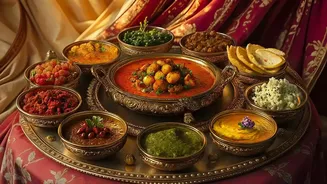
During Durga Puja, food transcends mere sustenance to become 'bhog'—a sacred offering to the Goddess before it is distributed as 'prasad' to devotees. This act of offering and sharing is central to the festival's spirit of community and equality. In the bustling
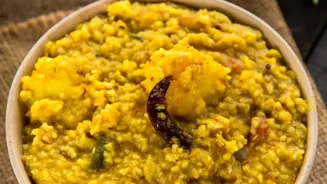
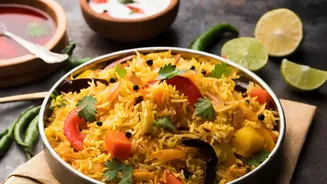
pandals, people from all walks of life sit together to partake in the same meal, breaking down social barriers. The star of this communal feast is almost invariably Bhoger Khichuri, a simple yet soulful dish that embodies purity and devotion. Served alongside it is Labra, a vibrant mixed vegetable preparation that represents unity and nature's abundance. Together, they form a meal that is both spiritually significant and deeply comforting.
Khichuri: The Heart of the Bhog Platter
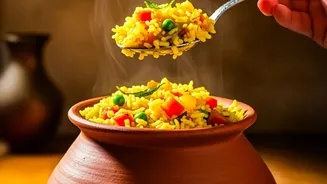
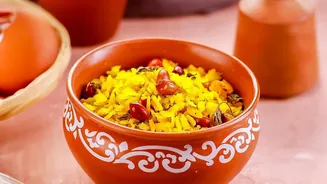
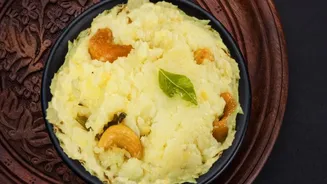
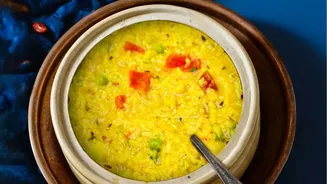
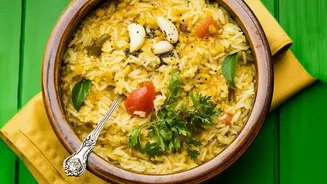
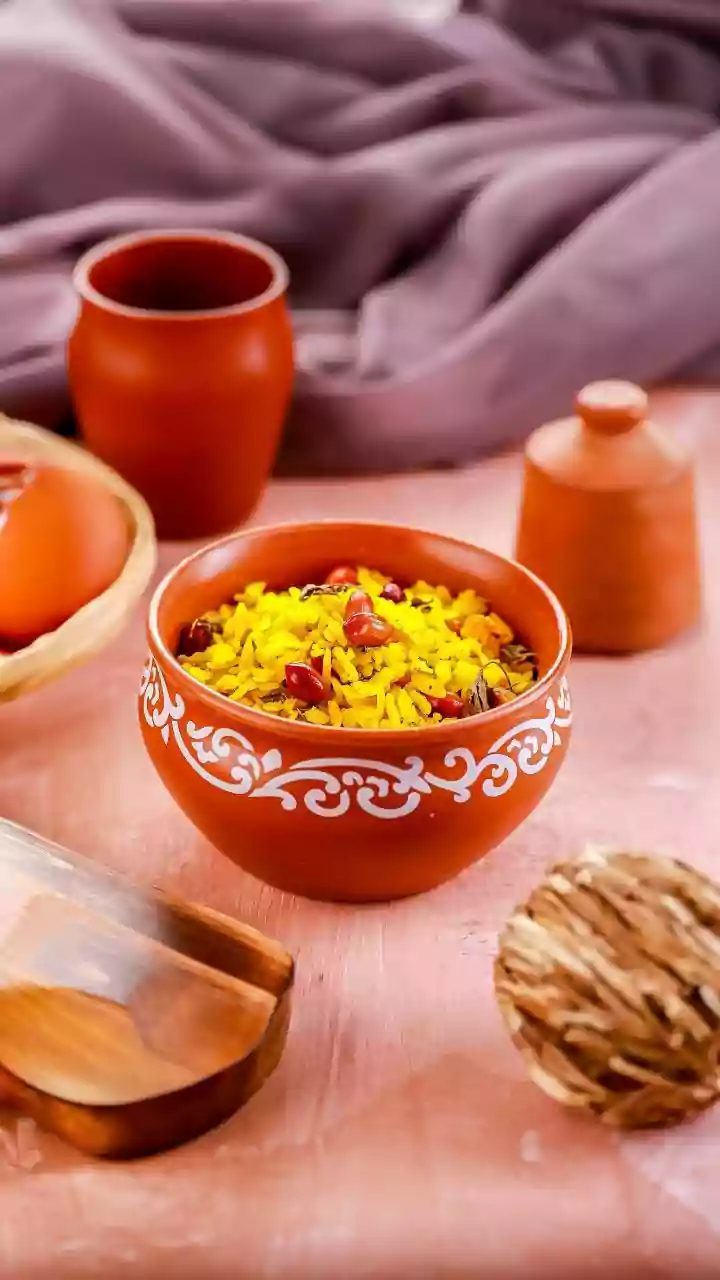
Bhoger Khichuri is not just any khichdi. It is a 'niramish' preparation, meaning it is made without onions or garlic, which are considered non-sattvic in Hindu tradition. The soul of the dish comes from two key ingredients: Gobindobhog rice, a short-grained, aromatic rice from Bengal, and Sonali Moong Dal (split yellow lentils), which is dry-roasted until fragrant before cooking. This roasting process imparts a unique nutty aroma that is characteristic of the bhog. Tempered with whole spices like cinnamon, cardamom, cloves, and bay leaves in ghee, the dish is a fragrant, wholesome one-pot meal that symbolises simplicity and purity in devotion. Its historical roots trace back centuries, with some texts even depicting Goddess Durga cooking the dish herself, cementing its divine connection.
Labra: A Medley of Harmony and Gratitude
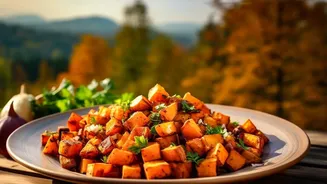
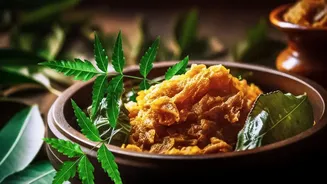
Labra is the perfect companion to the soft, comforting texture of Khichuri. It is a mishmash of seasonal vegetables, where each ingredient retains some of its character while contributing to a harmonious whole. A typical Labra features a variety of vegetables like pumpkin, potatoes, sweet potatoes, eggplant, radish, and raw bananas. The medley symbolizes unity in diversity, reflecting the community spirit of Durga Puja. The defining flavour of Labra comes from 'panch phoron', a Bengali five-spice blend of cumin, fennel, mustard, nigella, and fenugreek seeds, which is tempered in pungent mustard oil. This dish is a celebration of the seasonal harvest, an offering of gratitude to the Goddess for nature's bounty.
The Science of Comfort and Nutrition
Beyond its spiritual significance, the Khichuri-Labra combination is a powerhouse of vegetarian nutrition. The pairing of rice and lentils in Khichuri creates a complete protein, providing all the essential amino acids required by the body. This makes it an incredibly nourishing and easily digestible meal, which is why it's often considered a sattvic food suitable for offerings. A single serving can provide a balanced mix of carbohydrates for sustained energy, plant-based protein for muscle repair, and dietary fibre. Labra, with its assortment of vegetables, adds a wealth of vitamins, minerals, and antioxidants to the plate. The different vegetables contribute a range of nutrients and fibre, promoting digestive health. This wholesome combination provides not just physical energy for the festive days but also a deep sense of satiety and well-being, which is a core component of what we perceive as 'comfort food'.
A Taste of Home and Nostalgia
Ultimately, the enduring appeal of Bhoger Khichuri and Labra lies in the emotional comfort they provide. For many, the taste and smell of these dishes are intrinsically linked to cherished childhood memories, family gatherings, and the joyous atmosphere of the pandals. This powerful connection to positive memories and a sense of belonging is a key element of why certain foods comfort us. The act of eating this specific meal is an act of participating in a tradition that has been passed down through generations, reinforcing a sense of identity and community. It is more than just a meal; it's an experience that nourishes the body, mind, and spirit, making it the ultimate soul food of Durga Puja.