




What Makes Arrowroot Special?
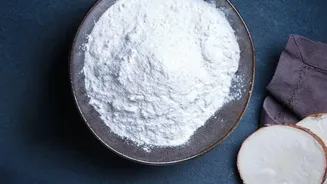
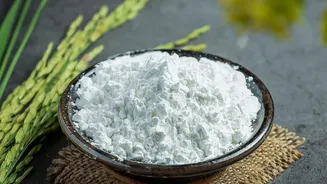
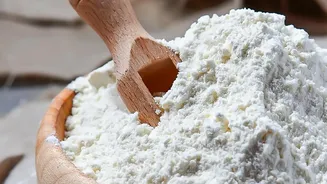
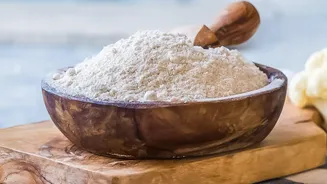
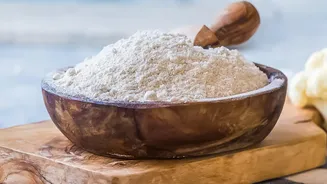
Arrowroot flour, also called arrowroot powder or starch, is derived from the root of a tropical plant, Maranta arundinacea. Unlike cornstarch, which is derived from a grain, arrowroot is a naturally gluten-free and grain-free starch. This makes it an excellent
choice for those with dietary sensitivities. Its real magic in the kitchen lies in its unique properties. It has a neutral flavour, so it won’t alter the taste of your dish. When used as a thickener, it creates a beautiful, clear, and glossy sheen, whereas cornstarch can sometimes result in a cloudy or opaque finish. It’s also more resistant to acidic ingredients and holds up well to freezing, making it a versatile choice for meal preppers.
The Main Point: Perfect Thickening Technique
The single most important thing to know about using arrowroot is how to add it to hot liquids. Never dump the powder directly into a simmering soup or sauce; this will create instant clumps. The main point is to always make a 'slurry' first. To do this, mix an equal amount of arrowroot flour with a small amount of cold water in a separate bowl. Whisk until it forms a smooth, milky paste with no lumps. The second rule is to add this slurry at the end of the cooking process. Arrowroot thickens at a lower temperature than cornstarch and can break down if overheated, losing its thickening power. Simply stir the slurry into your hot, but not boiling, soup and watch as it thickens to a perfect, silky consistency within moments.
1. Flawless Clear Vegetable Soup
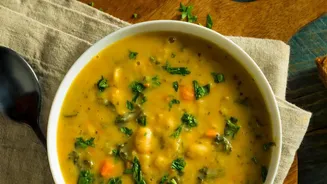
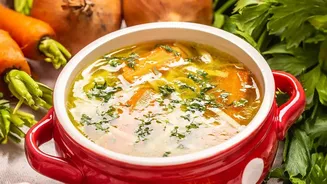
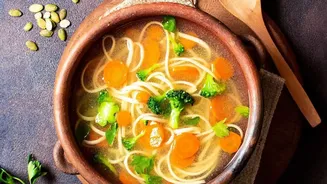
This is where arrowroot truly shines. Prepare your favourite vegetable soup as you normally would, sautéing aromatics like onions and garlic, then simmering your chosen vegetables in broth until tender. Once the vegetables are cooked and you've seasoned the soup to your liking, it's time to thicken. For a standard pot of soup serving four to six, start by mixing two teaspoons of arrowroot powder with two teaspoons of cold water to create your slurry. Turn the heat down to low and slowly pour the slurry into the soup, stirring gently but constantly. You’ll see the broth transform, gaining body and a lovely gloss without any cloudiness. Serve immediately for a professional-looking and beautifully textured soup.
2. Silky Pan Gravy or Stir-Fry Sauce
Arrowroot is fantastic for creating smooth, flavourful sauces that cling perfectly to meat and vegetables. For a quick pan gravy, remove your cooked meat from the pan and add about a cup of broth to the drippings, scraping up any browned bits. In a small bowl, whisk one tablespoon of arrowroot with one tablespoon of cold water. Slowly pour the slurry into the simmering broth, whisking continuously until it thickens. For a basic stir-fry sauce, combine soy sauce, ginger, garlic, and a touch of honey in a bowl. Before adding it to your stir-fry, whisk in an arrowroot slurry. Pour it over your cooked vegetables and protein in the final minute of cooking and toss until the sauce thickens and coats everything in a glossy glaze.
3. Glossy Berry Pie Filling
Because arrowroot stands up well to acidic ingredients, it's a superior choice for fruit pie fillings. It prevents the filling from becoming watery and creates a clear, sparkling gel that lets the colour of the fruit shine through. For a typical fruit pie, toss about four cups of fresh or frozen berries with your desired amount of sugar and a few tablespoons of arrowroot powder before adding the fruit to your pie crust. The arrowroot will activate as the pie bakes, thickening the juices into a perfect, sliceable consistency without a chalky aftertaste.
4. Creamy Chocolate or Vanilla Pudding
You can make a wonderfully smooth and delicate pudding using arrowroot. It works especially well with non-dairy milks, where cornstarch can sometimes act unpredictably. In a saucepan, combine about two cups of milk (dairy or non-dairy), your sweetener of choice, and flavouring like cocoa powder or vanilla extract. In a separate bowl, make a slurry with three tablespoons of arrowroot powder and a little cold milk. Whisk the slurry into the saucepan and heat over medium, stirring constantly, until the mixture thickens to a pudding-like consistency. Pour into serving dishes and let it cool; it will set up further as it chills.
5. Crispy Baked Coatings
Beyond thickening, arrowroot makes an excellent coating for baked or fried foods, creating an exceptionally light and crispy crust. Pat your chicken, fish, or tofu completely dry. In a shallow dish, season arrowroot flour with salt, pepper, and your favourite spices. Dredge the protein in the arrowroot mixture, ensuring it's evenly coated on all sides. You can then pan-fry or bake it as you normally would. The arrowroot creates a delicate, crunchy exterior that's also completely gluten-free, providing a fantastic alternative to traditional flour coatings.