
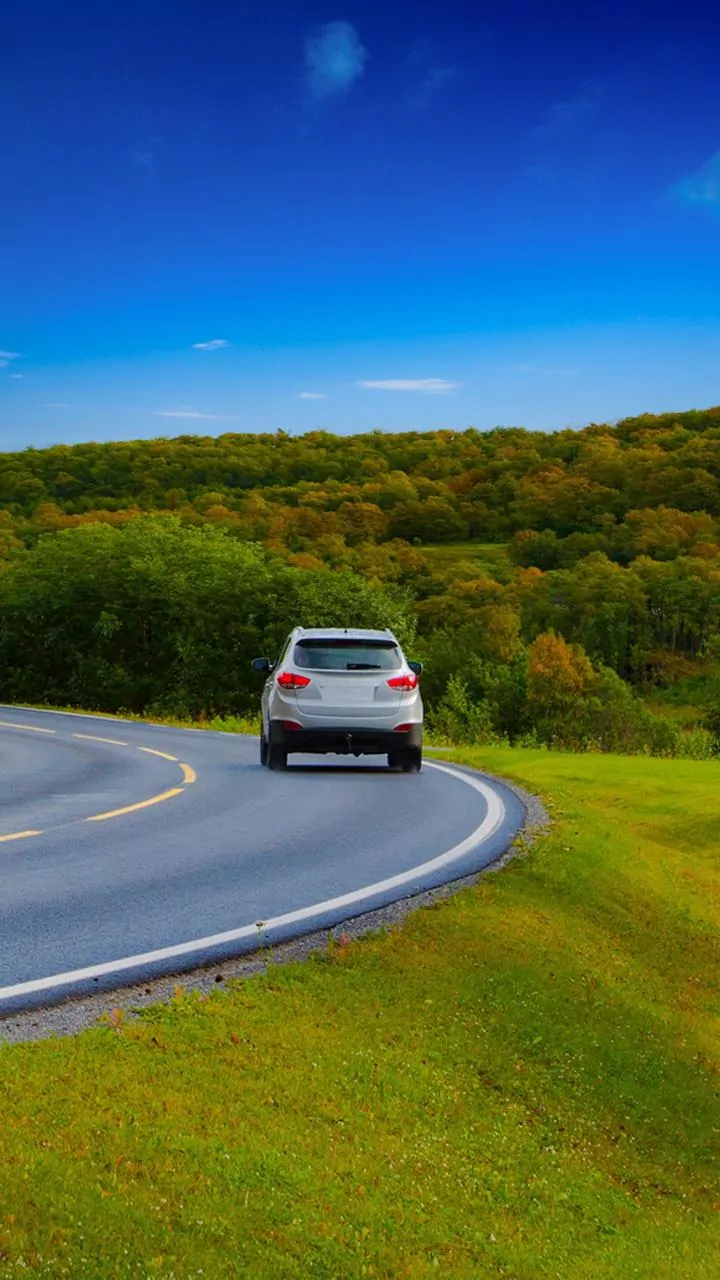
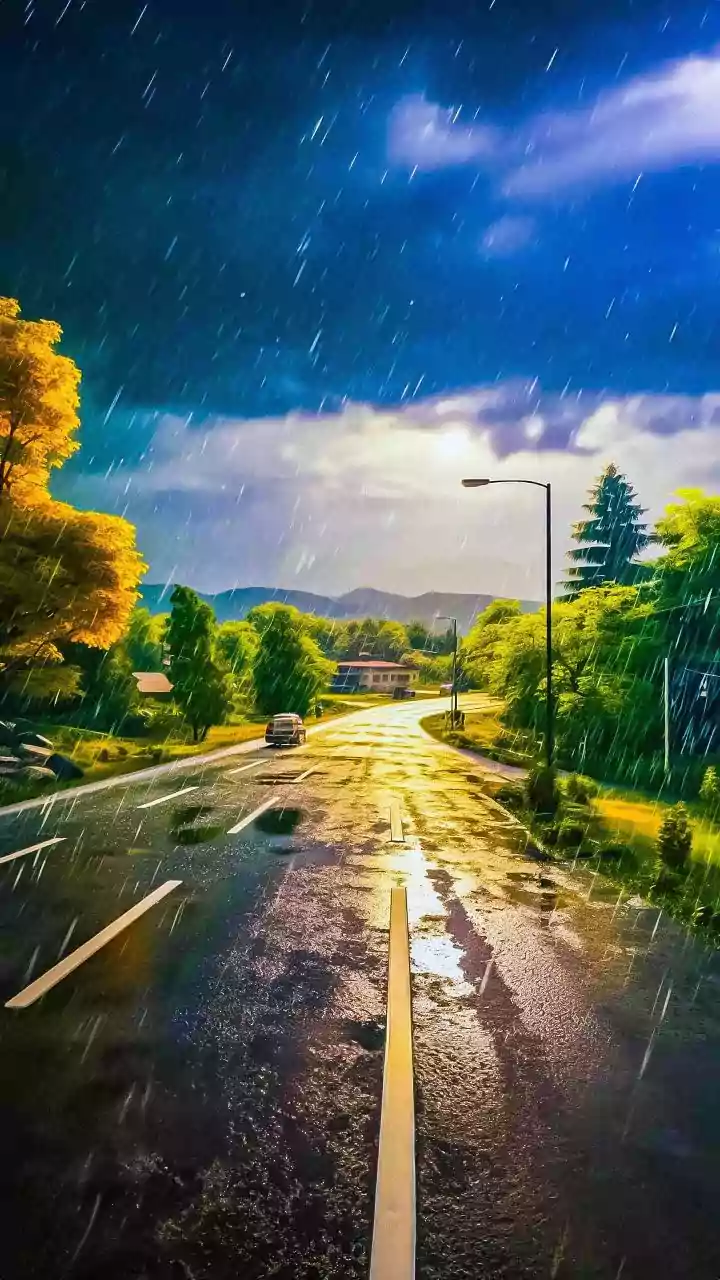
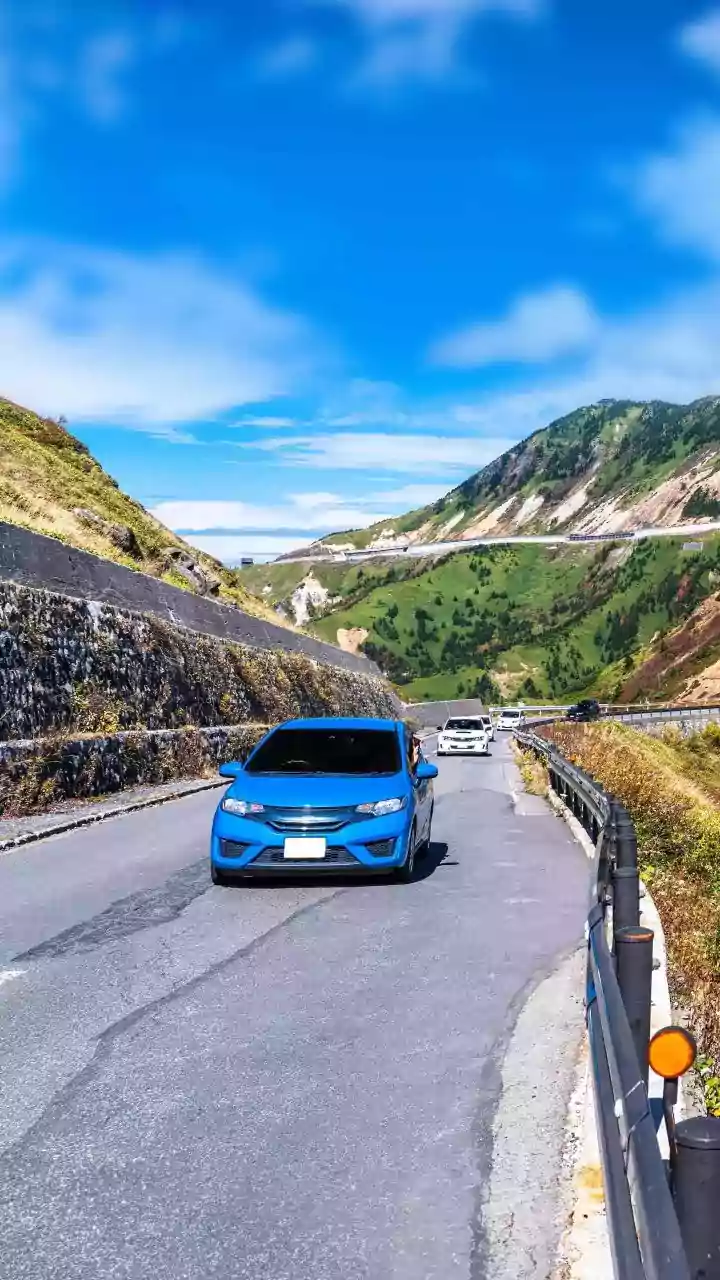


The monsoon has washed the hills clean, leaving behind vibrant greens and crisp air. But this beauty comes with a risk: unpredictable roads prone to landslides and long jams. Here’s how to pack smart for those delays.
Your Vehicle’s First-Aid Kit
Before you pack for yourself, pack for your car.
Post-monsoon roads are notorious for being unreliable. A basic toolkit, a puncture repair kit, and a portable tyre inflator are non-negotiable. Even if you aren't a mechanic, a passing driver might be, and having the tools can make all the difference. Add a tow rope and jumper cables to this kit. Getting stranded due to a dead battery or getting stuck in mud is common, and you can't always rely on finding a garage nearby. Think of this as your self-reliance kit for when you are miles from the nearest town.
Sustenance for the Standstill
A two-hour delay can easily turn into eight. While small roadside stalls might offer some relief, they can quickly run out of stock during a major blockage. Pack a dedicated bag of non-perishable, high-energy food. This should include energy bars, dry fruits, nuts, and biscuits. More importantly, carry more water than you think you'll need. A good rule of thumb is at least two extra litres per person. A reusable water bottle with a built-in filter is also a great investment for refilling from trusted sources. Being stuck is bad enough; being hungry and thirsty makes it miserable.
Power, Connectivity, and Information
In a roadside delay, your phone is your lifeline for information, entertainment, and emergency calls. A dead battery can leave you completely isolated. Carry at least one fully charged, high-capacity power bank (20,000mAh or more). Keep a car charger plugged in to keep your devices topped up whenever the engine is running. Don't rely on mobile data, which is often the first thing to go in remote areas. Before you leave, download offline maps of your entire route. It is also wise to save a few movies or a playlist. And while it seems old-fashioned, having physical copies of your ID, car documents, and hotel bookings is crucial when you can't access them online.
Comfort in Case You’re Stranded
The temperature in the hills can plummet unexpectedly, especially if a day-long delay extends into the night. Packing for comfort is not a luxury; it's a safety measure. Include a couple of light blankets or a sleeping bag in your car. An extra set of warm clothing, including woollen socks and a cap, should be easily accessible. A travel pillow can make a huge difference if you're trying to get some rest in a cramped car. Remember to wear comfortable, sturdy, waterproof shoes with a good grip; you may need to walk on slippery or uneven ground.
Health and Safety Essentials
Your standard first-aid kit needs a few upgrades for a hill trip. Along with basics like bandages and antiseptic, include medications for motion sickness, headaches, pain relief, and an upset stomach. A powerful torch or headlamp with extra batteries is essential, as a delay can easily last until after dark. Also pack a multi-tool, a loud whistle to signal for help, and mosquito repellent. Wet conditions can increase the risk of insect-borne illnesses, and a good repellent offers crucial protection.