







The Opportunity in Overwhelm
Most of us put off sorting through a lifetime of personal papers and photos, often until retirement or when faced with handling a loved one's estate. The task can feel so daunting that the natural response is to avoid it. However, major life changes,
while stressful, present a unique and practical opportunity to tackle this project. Instead of seeing it as another chore on a long to-do list, consider it a moment to connect with your family's story and preserve its legacy. Professional organizers note that starting the process early, even a year or two before a potential move, can save immense stress. Thinking about the entire collection as one single project, rather than focusing on hundreds of individual items, can also make it feel more manageable.
The Big Move or Downsize
Moving to a new home is the most common trigger for reviewing archives. Whether you're downsizing to a smaller space or simply relocating, it forces you to decide what is worth the effort of packing and transporting. This is a chance to be realistic about what will physically fit and what serves your current lifestyle. Rather than focusing on what to get rid of, experts suggest starting with a positive frame: first, identify the items you absolutely cannot live without. For fragile items like photo albums and papers, use acid-free packing materials and sturdy, smaller boxes to prevent shifting and damage during transit. Fragile items often travel better when packed standing upright, and any empty space in a box should be filled with packing paper to keep contents from moving.
When Your Family Changes
Life events like a marriage, the birth of a child, or blending families are pivotal moments to revisit your archives. These are opportunities to share stories and decide which traditions and memories you want to carry forward together. Conversely, events like a divorce or the passing of a loved one can also necessitate sorting through possessions. While emotionally difficult, making decisions about what to keep can be a crucial part of moving forward. If looking at an item consistently brings sadness, it may be time to let it go. When dealing with a loved one's belongings, the goal is often to find the items that powerfully connect you to their memory, not to keep everything out of a sense of obligation.
A Simple System for Sorting
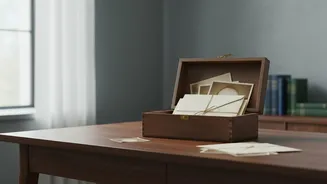
To avoid decision fatigue, professional organizers often recommend a structured approach like the Four-Box Method. As you go through items, sort them into four designated containers: Keep, Share, Digitize, and Discard. For physical items like photographs and documents, it's best to handle them with clean, dry hands and to work in an area free of food and drinks. Remove any metal paper clips or rubber bands, which can cause damage over time. For photos, use a soft lead pencil to write names or dates on the back. Scanning old photos and documents is a powerful way to preserve them and share them easily with other family members, protecting them from damage or loss. It is especially important for news clippings, which deteriorate quickly.
Preserving What You Keep
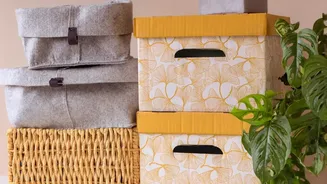
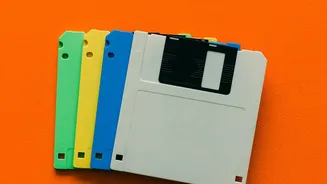
Once you’ve decided what to keep, proper storage is key to ensuring it lasts. For both physical and digital items, the goal is to protect them from damage and loss. Physical archives should be stored in a cool, dry, and stable environment, like an interior closet, rather than an attic or basement where temperature and humidity fluctuate. Use acid-free, archival-quality boxes and materials to prevent degradation. For digital files, archivists recommend the 3-2-1 rule: keep three copies of your data on two different types of media, with one copy stored off-site (for example, on a cloud service and an external hard drive). Regularly check on your digital files to ensure they haven't been corrupted over time.