

Beyond Imported Minimalism
For years, the blueprint for a modern Indian home seemed to be dictated by international catalogues. Clean lines, neutral palettes, and a minimalist approach dominated, creating spaces that were stylish but could sometimes feel anonymous. However, homeowners
and designers are now consciously moving away from this one-size-fits-all model. There is a growing desire for homes that tell a personal story and reflect a unique cultural identity. This shift isn't about rejecting modernity, but enriching it. It’s a move toward what some call 'India Modern'—a style that feels globally current yet is unmistakably rooted in Indian heritage. The goal is to create spaces with warmth, soul, and character, where every object has a sense of place and purpose.
The New Indian Aesthetic
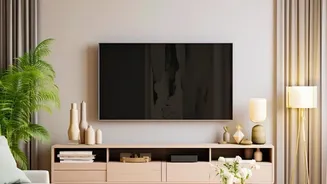
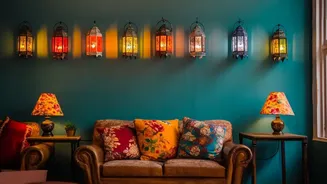
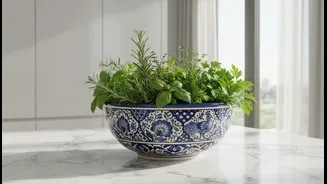
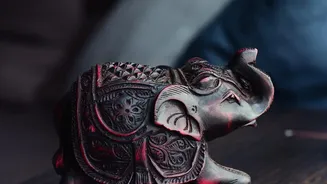
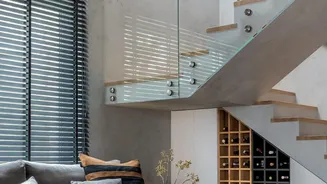
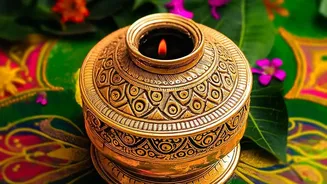
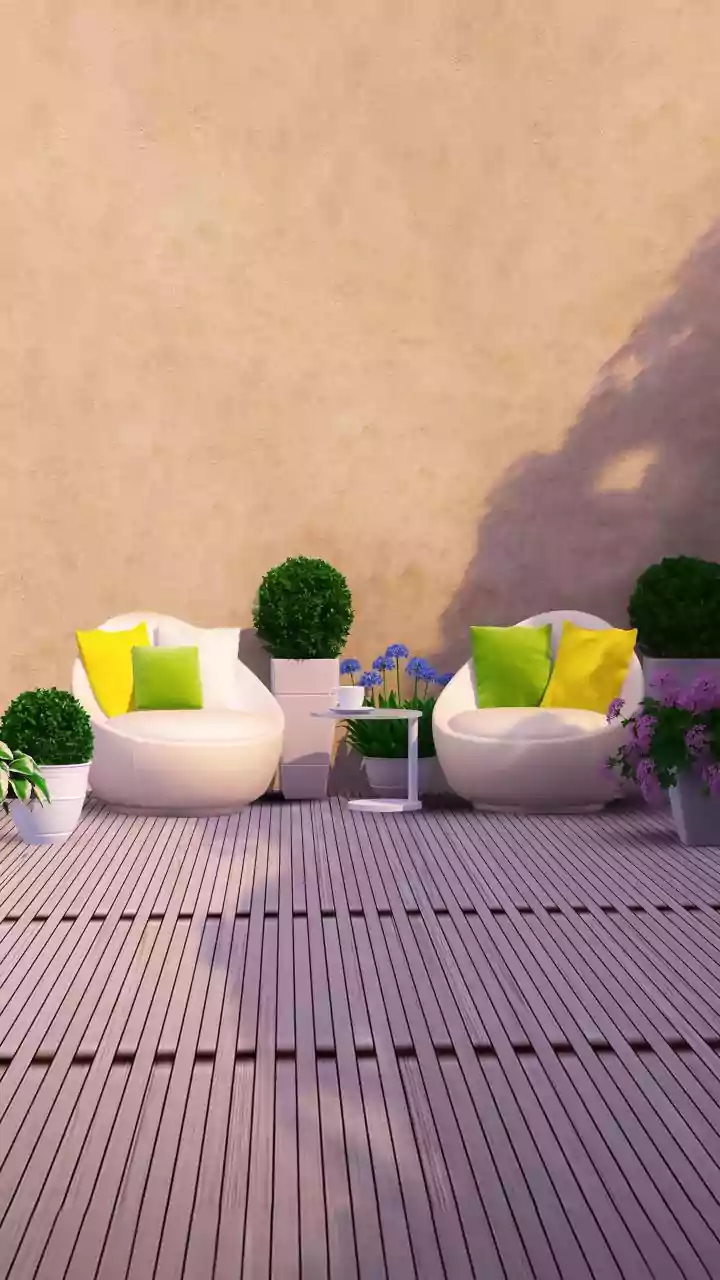
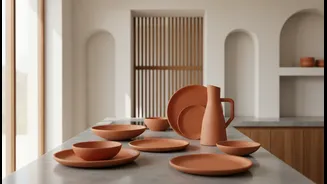
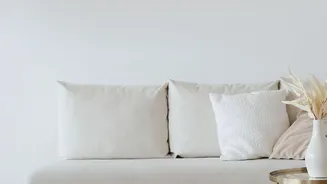
So, what does this fusion look like? It’s a delicate dance of contrasts. Imagine a sleek, contemporary sofa adorned with hand-block printed cushions from Rajasthan or a vibrant Kantha-stitched throw from Bengal. It’s about placing a handcrafted brass Diya or a Dhokra metal figurine on a minimalist console table to instantly soften its hard lines. The formula often involves starting with a calm, modern foundation—neutral walls, clean-lined furniture—and then layering it with the richness of Indian craft. This could manifest as intricate jali-inspired patterns on wooden furniture, handwoven dhurrie rugs grounding a living space, or the earthy warmth of terracotta pots bringing nature indoors. The key is balance; each handcrafted piece is given room to breathe, becoming a focal point rather than contributing to clutter.
Celebrating the Artisan
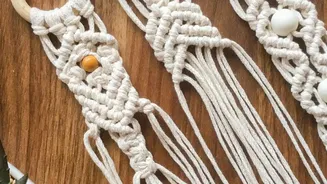
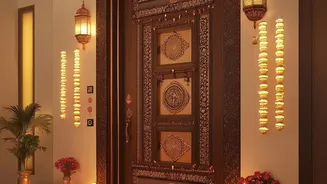
This trend is more than just an aesthetic choice; it’s a celebration of India's vast repository of artisanal skills. By incorporating these elements into modern homes, a new generation of designers and homeowners is helping to revive and sustain age-old crafts. Techniques like Bidri metalwork, Pinjrakari woodwork, and various regional weaving traditions are finding new life in contemporary products like lamps, tables, and partitions. This movement provides crucial support to artisan communities, ensuring that skills passed down through generations remain relevant and valued in the 21st century. Choosing a handcrafted piece over a mass-produced item becomes a conscious decision to support local livelihoods and preserve cultural heritage. Each item brings with it the story of its maker, adding a layer of human touch and history to the home.
How to Embrace the Look
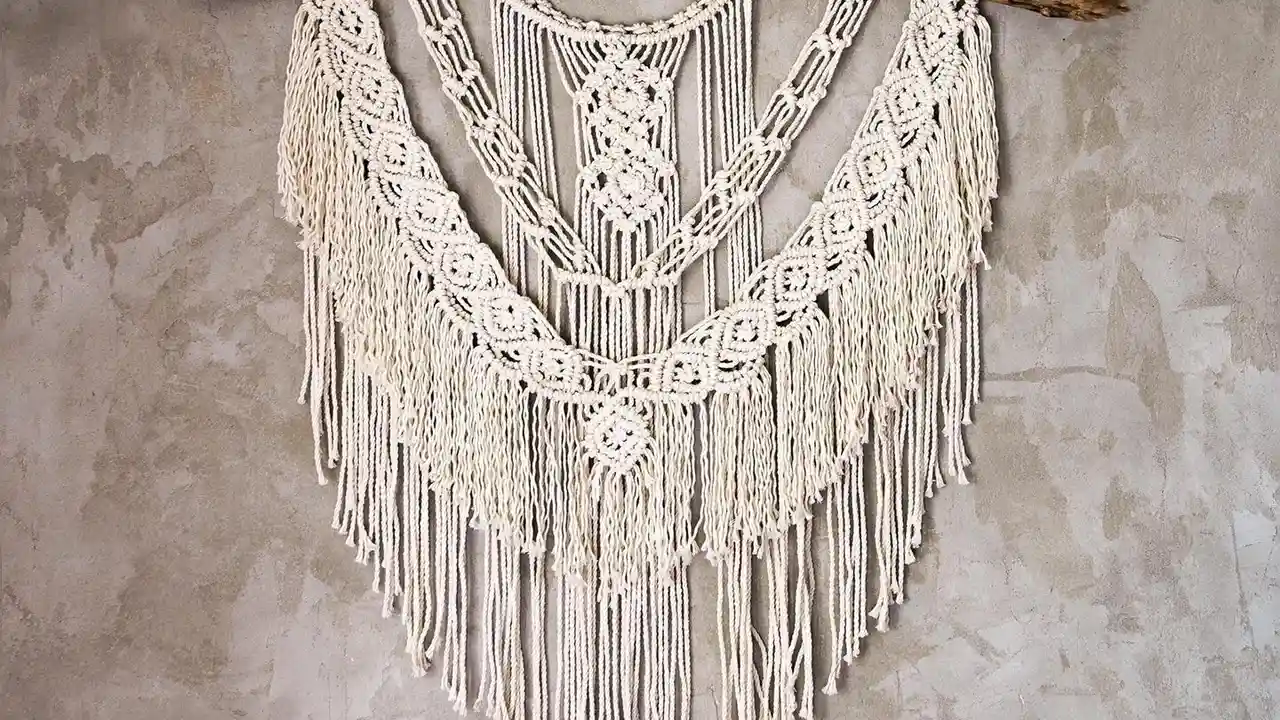
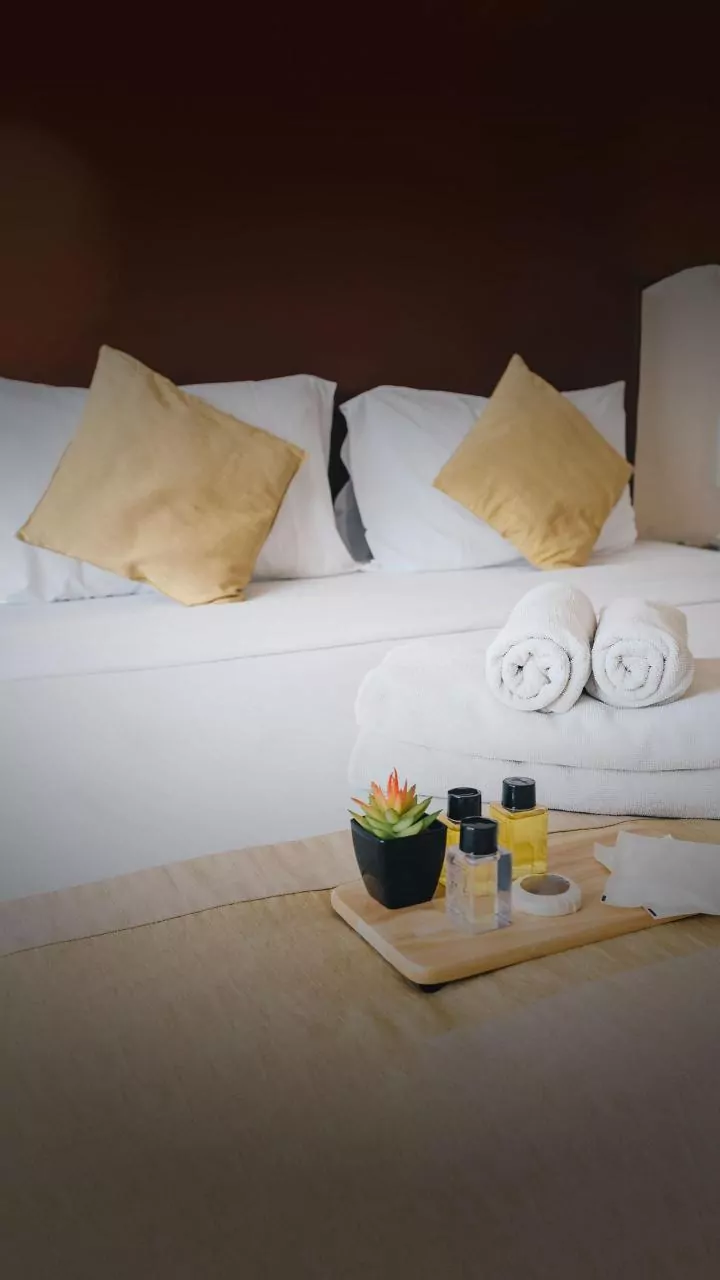
Incorporating this style into your own home doesn't require a complete overhaul. The beauty of this trend is its versatility. You can start small. Introducing textiles is often the easiest first step—think cushion covers, throws, or a single beautiful rug. Playing with textures by pairing smooth, modern surfaces with the rawness of jute, wood, or clay can add immense depth. Consider a single statement piece, like a carved wooden panel used as wall art or a vintage chest paired with modern furniture. The idea is to be intentional. Don't aim to create a museum. Instead, choose a few high-quality, meaningful pieces that speak to you. Let them serve as conversation starters that anchor your modern space with a touch of timeless Indian elegance.