





The Simple Power of Walking
Physical activity doesn't need to be complicated or expensive to be effective. A consistent walking habit can improve heart and lung health, strengthen bones and muscles, help maintain a healthy weight, and boost your mental well-being. It's a low-impact,
accessible exercise that you can start today, exactly as you are. The best part is that the most important tools for success are free: your body and a little bit of consistency. By ditching the obsession with data, you can focus on how movement makes you feel, turning exercise into a sustainable and enjoyable part of your life.
Start Small, Build Momentum
The secret to a lasting routine is to start with a goal that feels almost too easy. Instead of committing to an hour-long walk every day, begin with just 10 or 15 minutes, three to five times a week. The initial goal isn't to burn a massive number of calories; it's to build the habit itself. Choose a time of day that works for your schedule and put it in your calendar as a non-negotiable appointment. Once you consistently meet your small goal for a week or two, you can gradually increase the duration or frequency. This slow, steady approach prevents burnout and builds the confidence you need to stick with it.
Perfect Your Form for Better Results
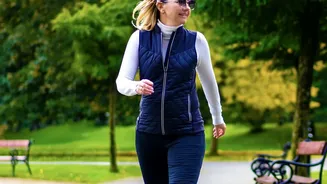
There's more to walking than just putting one foot in front of the other. Proper form helps you walk more efficiently, prevent injuries, and get more out of every step. Stand tall, as if a string is pulling you up from the crown of your head. Keep your shoulders relaxed, not hunched. Let your arms swing naturally from the shoulder, with your elbows bent at about a 90-degree angle. As you walk, land on your heel and roll through to your toes. This simple heel-to-toe motion creates a smooth, efficient stride and engages your muscles correctly.
Track Progress Without a Tracker
How do you know you're improving without a step count? It's easier than you think. The most powerful tool is your own body. One method is tracking your time. If the same route that took you 30 minutes now only takes you 25, that's progress. Another option is using landmarks: maybe this week you walk to the park, and next week you aim for the post office just beyond it. You can also use the Rate of Perceived Exertion (RPE) scale, a simple 0-10 rating of how hard you feel you're working. A moderate-intensity walk, where you can still hold a conversation, should feel like a 3 to 5 on the scale. As your fitness improves, you'll be able to walk faster and farther at that same level of effort.
Stay Motivated for the Long Haul
Motivation can be fleeting, so it's important to have strategies to keep you going. One of the best ways is to make your walks enjoyable. Explore new routes in your neighbourhood to keep the scenery fresh. Create a playlist of your favourite music or listen to an engaging podcast. Finding a walking buddy can also provide accountability and social connection. Remember why you started in the first place—whether it was for more energy, stress relief, or better health. And don't let an off day derail you. If you miss a walk, just get back to it the next day. The goal is consistency, not perfection.