





A Return to Grandma’s Wisdom
For generations, the bubbling pot of 'kadha' was a non-negotiable fixture in Indian homes, especially as the skies turned grey. It was the first line of defence against a monsoon sniffle, the default soother for a scratchy throat. Then came an era of quick-fix
tablets and effervescent powders. Convenience culture pushed many of these slow-simmered traditions to the back of the cupboard. But now, the pendulum is swinging back. Across the country, from bustling city apartments to quiet suburban homes, kitchens are re-embracing these age-old herbal concoctions. This revival isn't just about nostalgia for a simpler time; it's a conscious, informed rediscovery of potent, natural remedies that our grandmothers championed for a reason.
More Than a Sore Throat Soother
While a warm cup of tulsi-adrak tea is an undisputed champion for fighting a cold, the modern revival sees these brews as much more than just symptomatic relief. The renewed interest is rooted in a shift towards preventive wellness. According to Ayurvedic principles, the damp, humid monsoon season can weaken digestive fire (agni) and create an imbalance in the body's doshas, making us more susceptible to illness. Herbal teas, packed with warming and clarifying spices, are seen as a daily tool to support digestion, bolster immunity, and maintain overall balance. They are being repositioned from being an emergency 'dawa' (medicine) to a daily 'rasayana' (rejuvenating tonic), a gentle ritual to keep the body’s internal systems fortified against the seasonal challenges.
Your Kitchen’s Spice Pharmacy
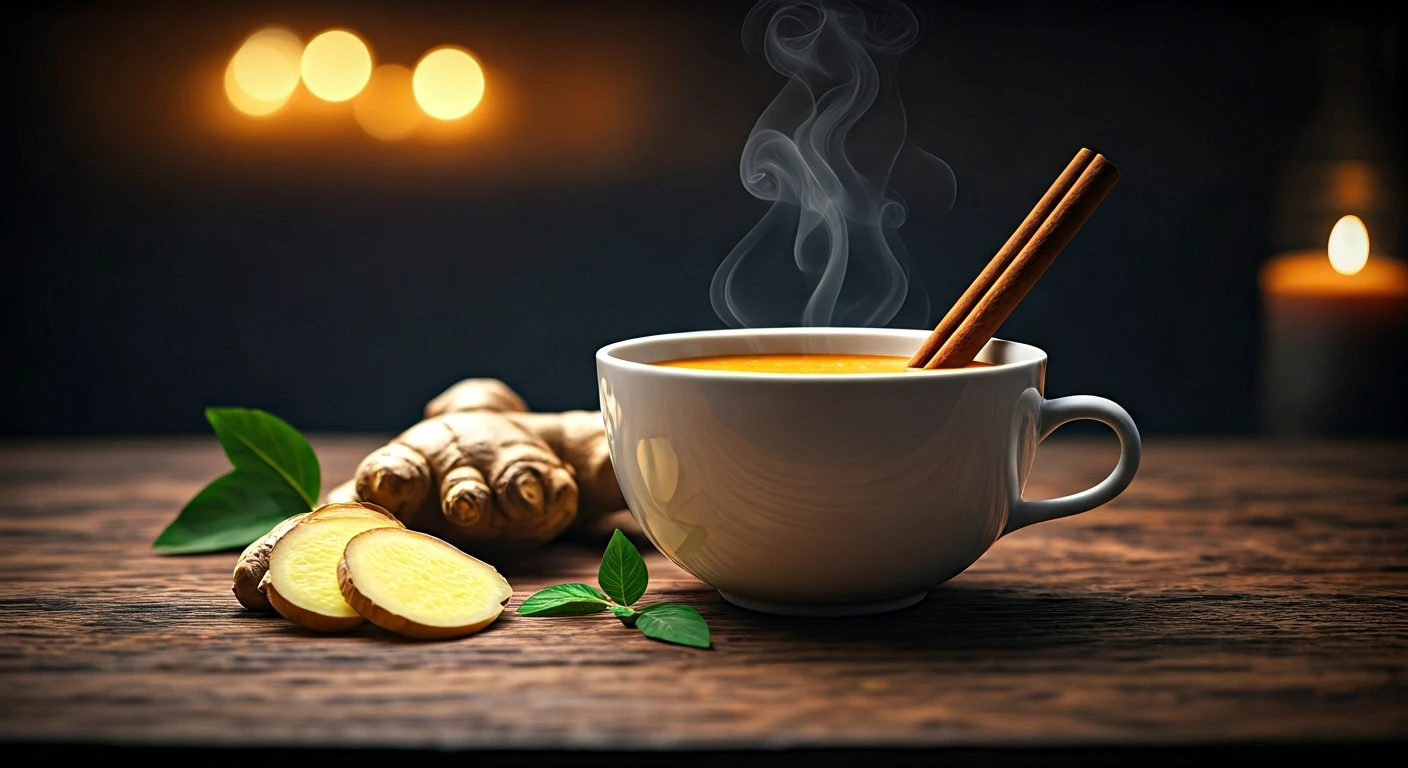
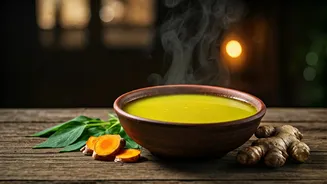
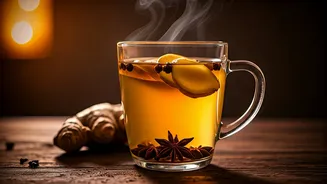
The magic of these monsoon brews lies in the everyday ingredients found in virtually every Indian spice box. Tulsi (Holy Basil) is revered as 'The Queen of Herbs' and is traditionally used for its powerful immunity-supporting and anti-viral properties. Adrak (Ginger) is a universal powerhouse, celebrated for aiding digestion, reducing inflammation, and providing a warming effect. Haldi (Turmeric), our golden spice, contains curcumin, an active compound noted for its potent antiseptic and anti-inflammatory benefits. It is often paired with a pinch of Kali Mirch (Black Pepper), which is believed to significantly enhance curcumin's absorption. Other key players include Dalchini (Cinnamon) for its sweet warmth and antimicrobial properties, and Laung (Clove), a potent antiseptic traditionally used for throat and dental issues. These aren't exotic superfoods; they are the familiar soul of our cuisine, now being appreciated for their profound medicinal value.
Why the Revival, Why Now?
Several cultural currents are feeding this trend. Firstly, the global wellness movement has encouraged a turn towards natural, clean, and sustainable living, prompting many to look inward at India's own rich traditions. Secondly, the COVID-19 pandemic acted as a massive catalyst. It created a collective, urgent focus on immunity and respiratory health, bringing traditional wisdom from family WhatsApp groups directly into the mainstream. Suddenly, 'kadha' became one of the most searched terms online. Finally, social media has transformed this ancient practice into a modern trend. Wellness influencers and food bloggers have made it aspirational, sharing beautifully styled images of their morning brews, complete with recipes and explanations, making the practice accessible and 'cool' for a younger generation.
The Comforting Ritual of the Brew
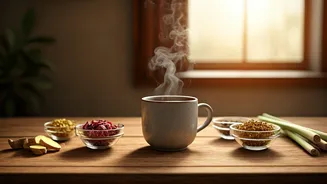
Perhaps the greatest appeal of herbal tea is its beautiful lack of rigidity. Unlike a precise baking recipe, making a kadha is an intuitive, personal art. It’s about listening to your body and customising the brew. Feeling a chill? Add a little more ginger and black pepper. A nagging cough? A few extra cloves and a spoonful of honey. The ritual itself is a form of self-care: the gentle crushing of spices, the slow simmer that fills the kitchen with an earthy aroma, the act of pouring and sipping a warm, comforting drink. It’s a moment of mindfulness that disconnects us from our screens and reconnects us to our senses and to generations of ancestral wisdom.