








The Soul of the Soil
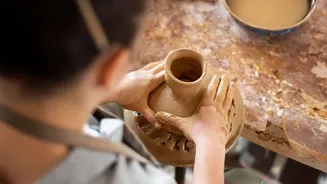
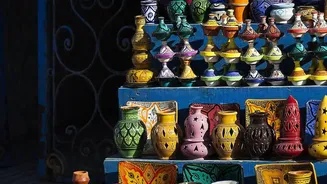
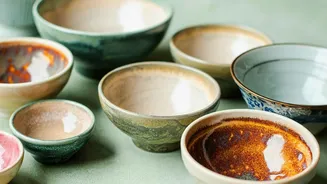
A handmade diya begins its life on a potter’s wheel, shaped by skilled hands that have inherited their craft through generations. Each piece is unique, carrying subtle variations in form and texture that give it character. This process is a conversation
between the artisan and the clay, a material considered sacred in Indian traditions and one of the five essential elements, or Panchamahabhutas. The result is not just a lamp but a small piece of art imbued with human touch and cultural history. In contrast, factory-made diyas are born from moulds. They are designed for speed and uniformity, producing thousands of identical units. While efficient, this mass-production process strips the object of its individuality, creating a product that is consistent but lacks the distinct soul of a handcrafted piece.
Material Matters: Purity vs. Production
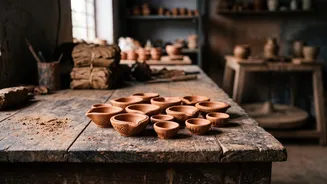
Traditional artisans use pure, natural clay sourced locally. This earth is biodegradable and free from harmful chemicals. When a pure clay diya has served its purpose, it can return to the soil without causing harm, completing a natural cycle. Factory-made alternatives often prioritise cost-saving over purity. Many are made from mixed clay that may contain synthetic binders or other additives. Some are not even clay at all, but plaster of Paris, which does not biodegradE as cleanly. Furthermore, the paints used on mass-produced diyas can contain harmful chemicals that, when heated, may release toxic fumes and pollute the environment upon disposal.
An Economic Lifeline for Local Communities
Choosing a handmade diya is an act of economic support. Each purchase directly contributes to the livelihood of local potters and their families, helping to sustain a craft that faces competition from mass-produced goods. During festive seasons like Diwali, the sale of these handicrafts becomes a crucial part of the economy for millions of artisans in rural areas. When you buy from a local potter, the money circulates within the community, fostering rural development and preserving a vital part of India's cultural heritage. Conversely, the profits from factory-made products are often consolidated by larger corporations, with only a fraction trickling down to the labourers involved in the mechanised production line.
The Environmental Footprint
The environmental difference is stark. Handmade clay diyas have a minimal carbon footprint. They are made from a natural resource, often fired in traditional kilns, and are completely biodegradable. This embodies a cycle of life where what comes from the earth returns to it. Factory-made alternatives, especially those made from plastic, decorated with chemical-laden paints, or pre-filled with paraffin wax, contribute to pollution. Plastic and synthetic materials can take centuries to decompose, and the industrial manufacturing process consumes more energy and generates more waste compared to traditional pottery methods.
Aesthetic and Spiritual Connection
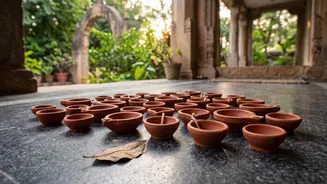
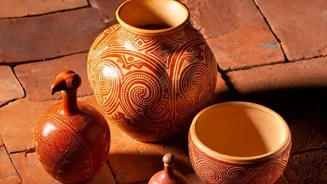
A handmade clay diya possesses a rustic, earthy charm that mass-produced items struggle to replicate. Its imperfections are part of its beauty, telling a story of its creation. For many, lighting a traditional diya is a deeply spiritual act, connecting them to age-old rituals and the symbolism of light conquering darkness. The simple, honest form of a clay lamp—a vessel for oil and a cotton wick—has remained unchanged for thousands of years, representing a powerful link to tradition. Factory-made diyas, while often brightly coloured and ornate, can sometimes lack this sense of authenticity. Their uniformity and synthetic finishes can feel disconnected from the deep-rooted spiritual and cultural significance that the humble diya represents.