








The Numbers Don't Lie: A Monsoon Rush
For decades, the Indian travel industry followed a predictable rhythm: a frantic peak during summer and winter, with a long, quiet lull during the monsoon. That calendar is now officially obsolete. Recent data from major travel platforms highlights a seismic
shift. One report from Cleartrip revealed that hotel bookings during the monsoon season have skyrocketed by nearly 54% year-on-year, with bus bookings seeing an incredible 140% jump. This isn't a minor uptick; it's a clear signal that Indian travellers are no longer waiting for sunny days to take a holiday. Destinations that were once considered off-limits during the rains are now bustling with activity, forcing the tourism industry to adapt to a new, year-round demand.
The New Monsoon Traveller: Why Now?
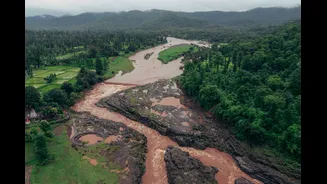
Several factors are driving this downpour of tourists. The rise of flexible and remote work arrangements is a primary catalyst, allowing professionals to blend work with leisure in what are now called 'workations'. Instead of a single long holiday, many are opting for multiple shorter breaks throughout the year. The monsoon, with its promise of fewer crowds and cooler weather, provides the perfect backdrop. But there's also a deeper appreciation for the unique beauty the season offers. Travellers are actively seeking the lush green landscapes, misty hills, and spectacular waterfalls that come to life during the rains. This experience-driven mindset means the monsoon is no longer seen as an obstacle to travel, but as the destination itself.
From Southern Hills to the Northeast
The trend is visible across the country, but some regions are clear winners. Hill stations in the South are experiencing unprecedented demand. Wayanad in Kerala has emerged as a monsoon superstar, with hotel bookings growing by a staggering 160%. Its neighbour Alleppey, famous for its backwaters, saw bookings climb by over 145%. Other southern favourites like Kodaikanal and Ooty reported growth exceeding 70%. Perhaps the biggest surprise is the emergence of the Northeast as a monsoon hotspot. Nagaland and Arunachal Pradesh have seen hotel bookings increase by over 90%, with flight bookings also rising significantly, indicating a strong interest in exploring these offbeat destinations during the rains.
Goa and Rajasthan Get a Green Makeover
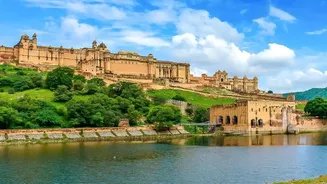
Even traditionally popular destinations are being seen in a new light. Goa, long associated with winter sun and beaches, is experiencing a monsoon renaissance. Hotel bookings have increased by over 110% as travellers discover a different side of the state: serene, lush, and free from the peak season rush. The focus shifts from beaches to overflowing waterfalls, vibrant spice plantations, and the atmospheric charm of its Portuguese-era architecture. Similarly, Rajasthan, often perceived as a dry, desert state, transforms into a green paradise. Cities like Udaipur, with their lakes full to the brim, are attracting travellers who want to see the region's forts and palaces against a dramatic, cloudy sky.
What This Means for Indian Tourism
This monsoon boom signifies more than just changing preferences; it represents a fundamental restructuring of India's domestic tourism economy. For hospitality businesses in seasonal destinations, it means a more stable, year-round revenue stream and less reliance on the traditional peak months. Hotels that once offered steep 'off-season' discounts are now finding they can maintain stronger pricing. While some challenges remain, such as the risk of landslides in hilly areas or rough seas along the coast, the trend is clear. The monsoon is no longer a gap in the travel calendar but a vital and growing season in its own right, offering a more distributed and sustainable model for tourism across the nation.