





Are Monsoon Hotel Prices Really Cheaper?
The short answer is: it depends. Traditionally, the monsoon (June to September) was considered the off-season, leading hotels to slash rates to attract guests. For many destinations, especially luxury properties, this still holds true, offering a chance
to stay at high-end hotels for a fraction of the peak season cost. However, the trend is shifting. The monsoon is now emerging as a preferred travel period for many Indians seeking wellness and cultural experiences. Destinations like Goa, which once saw price drops of around 24%, now maintain more resilient pricing due to sustained demand. Similarly, popular hill stations in Kerala, Himachal, and Uttarakhand are seeing significant growth in bookings, with some places like Munnar reporting a near ten-fold increase compared to last year. The bottom line: while deals exist, the assumption of universally cheap travel is no longer a guarantee. It's crucial to compare prices with other seasons instead of assuming a discount.
How to Find Genuinely Flexible Deals
Flexibility is paramount during the monsoon, when travel plans can be disrupted by weather. An increasing number of travelers now expect and demand flexible booking options. Look for terms like "free cancellation" or "book now, pay later" on platforms like Goibibo, MakeMyTrip, and Yatra. These policies allow you to change or cancel your reservation without a penalty, often up to 24 or 48 hours before check-in. Many travel operators are collaborating with hotels to offer these flexible policies to give clients peace of mind. Some hotels also offer packages with flexible terms bundled with other incentives. Before you book, always read the fine print. A deal might seem great, but if it’s non-refundable, you risk losing your money if a sudden downpour or landslide affects your plans. Prioritizing flexibility over a small upfront discount is often the smarter financial choice for monsoon travel.
Discovering Quieter Monsoon Destinations
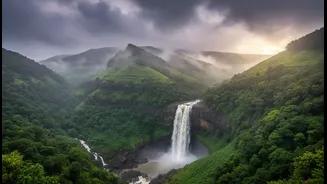
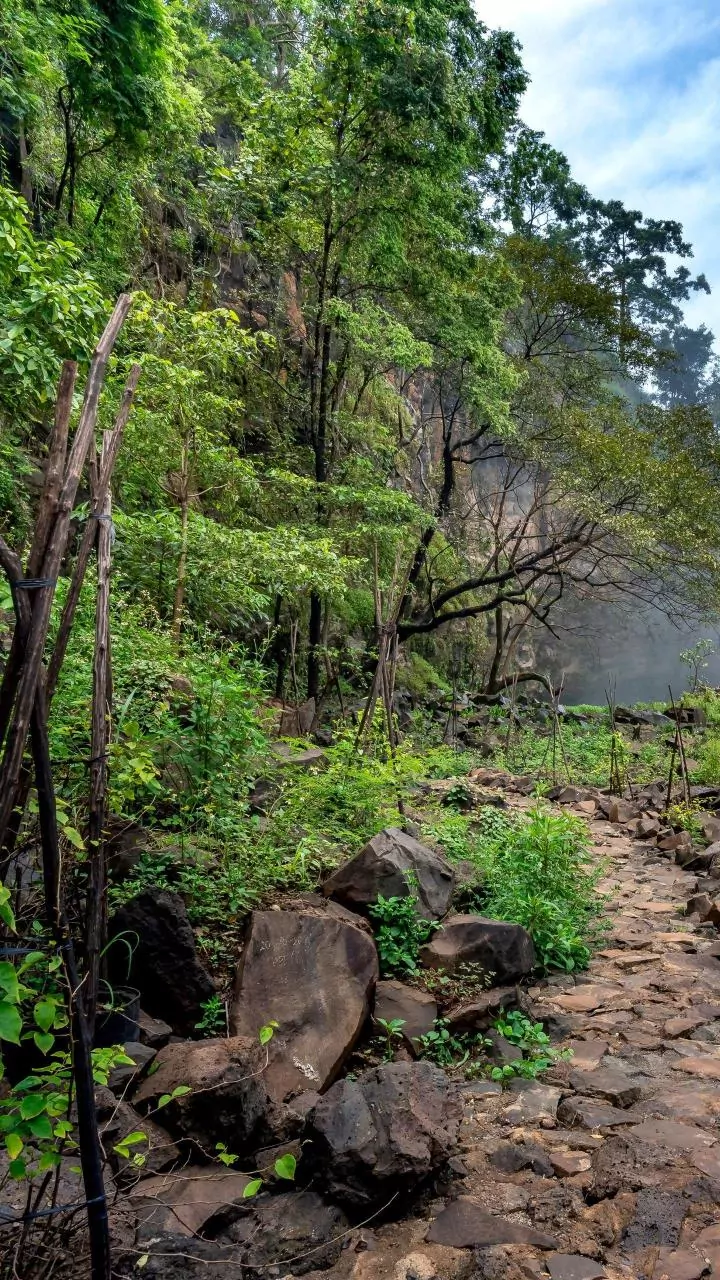
While popular spots get busier, India is full of quieter alternatives that truly shine during the rains. Instead of crowded Lonavala, consider destinations in Maharashtra like the misty Malshej Ghat, where clouds drift across the road, or the serene riverside retreat of Durshet. In the south, Kodaikanal in Tamil Nadu offers a fairytale-like escape with its misty lakes and pine forests. Coorg and Chikmagalur in Karnataka are lush paradises of coffee plantations and gushing waterfalls, perfect for nature lovers seeking peace. For a unique experience, Rajasthan's only hill station, Mount Abu, becomes a green haven, offering a beautiful contrast to the surrounding arid plains. In the north, the Himalayan foothills around Rishikesh become incredibly serene, ideal for wellness-focused trips, though adventure sports like rafting may be paused. These less-crowded spots allow you to enjoy the romantic ambience of the monsoon without the queues.
The Essential Questions to Ask Before You Book
To avoid unpleasant surprises, arm yourself with a few key questions before confirming any monsoon booking. First, ask about the hotel's exact cancellation policy and if they offer refunds or rescheduling for weather-related disruptions. Secondly, inquire about accessibility. Are the roads leading to the hotel prone to waterlogging or landslides? Do they have a reliable shuttle service if local transport is affected? Another critical point is the hotel’s power backup. Power cuts can be more frequent during heavy rains, so confirming the hotel has a generator is essential. Also, ask what indoor amenities are available. Since you might spend more time inside, check for things like an indoor pool, a good restaurant, a gym, or a spa. Finally, ask about their Wi-Fi reliability, especially if you need to stay connected for work. Getting clear answers to these questions will ensure your stay is comfortable and stress-free, no matter the weather.