








What is a Self-Transfer Journey?
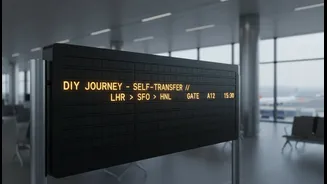
A self-transfer, sometimes called a "hacker fare," is when you book two or more separate flights to create your own connection. Unlike a traditional layover booked on a single ticket, where the airline manages your connection, a self-transfer consists
of independent tickets. This could mean flying with two different airlines that don't have a partnership, or even flying into one airport and out of another in one city. While this strategy can unlock significant savings, it places all the responsibility for making the connection squarely on your shoulders. The airlines involved treat each leg as a separate journey; as far as they are concerned, your destination for the first flight is their final responsibility.
The Domino Effect of a Missed Connection
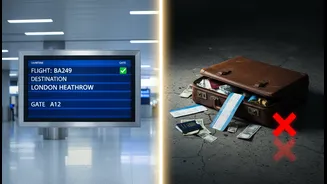
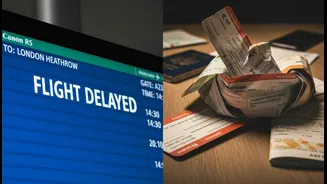
On a standard connecting flight booked on one ticket, the airline is obligated to rebook you if a delay causes you to miss your next flight. With a self-transfer, you get no such protection. If your first flight is delayed, cancelled, or rescheduled, the second airline simply sees you as a 'no-show'. They have no obligation to put you on the next flight, and you will likely forfeit the entire cost of that ticket. You are then responsible for buying a new, often expensive, last-minute ticket to continue your journey. Research has shown that a delay of just 30 minutes can cause up to 40% of self-connecting passengers to miss their onward flight, highlighting how quickly these situations can unravel.
The Baggage Re-Check Trap
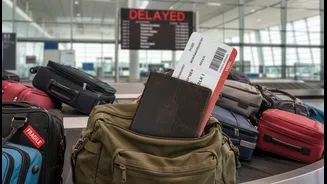
One of the most significant practical challenges of a self-transfer is managing checked luggage. With separate tickets, your bags will not be automatically transferred to your final destination. You must deplane, go to baggage claim, collect your luggage, proceed to the departures area, and check your bags in again for the second flight. This process consumes a significant amount of time and adds multiple failure points to your journey. You'll have to go through security screening a second time, and if it's an international self-transfer, you'll also need to clear customs and immigration just to collect your bags, which may require a transit visa.
Hidden Costs and Cascading Consequences
Missing your self-transfer flight is more than just an inconvenience; it can be a financial disaster. Beyond the cost of a new flight, you could lose money on non-refundable hotel bookings, prepaid tours, and other arrangements at your final destination. The stress of reorganizing your trip on the fly, often in an unfamiliar airport, can be immense. While the initial savings of a self-transfer ticket might be appealing, they can be quickly erased by the cost of a single disruption. This is why these tickets are often best suited for experienced travelers or those with a high tolerance for risk.
How to Protect Yourself
If the savings are too good to pass up, you can mitigate the risks of a self-transfer. The most crucial step is to book a very long layover—think a minimum of four to six hours, especially for international travel or if you have checked bags. Traveling with only a carry-on is the single best way to simplify the process, as it allows you to avoid the baggage reclaim and re-check cycle. Before booking, research the airport layout to understand terminal changes. Finally, consider travel insurance that specifically covers missed connections on separately ticketed flights, but be sure to read the fine print, as many policies exclude self-transfers. Some online travel agencies also offer their own 'transfer protection' for an extra fee, which can provide a safety net.