



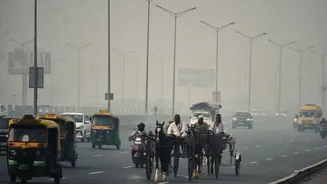

As the air quality in Delhi dips into the 'poor' category, many residents notice an immediate, unwelcome physical response: dry, gritty, and itchy eyes. This isn't just a coincidence; it's a direct physiological reaction to airborne pollutants.
What 'Poor' AQI Means for Your Eyes
When Delhi’s
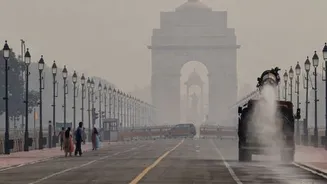
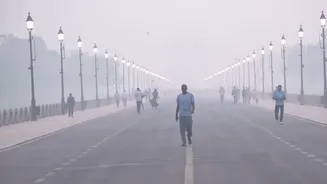
Air Quality Index (AQI) climbs into the 'poor' or 'very poor' categories, it signifies a high concentration of harmful pollutants in the air. On October 21, 2026, the city's AQI was recorded at 244, a significant jump into the 'poor' range. This murky haze isn't just dust; it's a complex mix of particulate matter (PM2.5 and PM10), nitrogen dioxide (NO2), sulfur dioxide (SO2), and other chemicals from vehicle exhaust, industrial emissions, and construction. Because your eyes are constantly exposed to the environment, they are one of the first organs to react to this onslaught of pollutants. The fine particulate matter, especially PM2.5, is small enough to directly irritate the ocular surface, triggering the discomfort many Delhiites are all too familiar with.
The Science Behind the Sting and Itch
The feeling of dryness and irritation is caused by the disruption of your eye's natural protective layer, the tear film. This delicate, three-layered coating keeps your eyes moist, clear, and healthy. Airborne pollutants and gases can destabilize this film, causing tears to evaporate faster than they should. This leads to dry spots on the cornea, which in turn causes the classic symptoms: a gritty or sandy sensation, burning, redness, and itching. Furthermore, these pollutants can trigger an inflammatory response. The body's immune system reacts to the foreign particles, leading to inflammation of the conjunctiva (the clear membrane covering the white of the eye), a condition known as allergic conjunctivitis. This inflammation is what causes the persistent redness and itchiness.
More Than Just Temporary Discomfort
While often dismissed as a temporary nuisance, chronic exposure to high levels of air pollution can have more significant consequences for eye health. Research has linked long-term exposure to an increased risk of developing serious conditions like Dry Eye Syndrome, a chronic lack of sufficient lubrication in the eyes. Some studies have even found associations between fine particulate matter and a higher risk for sight-threatening diseases like glaucoma and cataracts later in life, as the microscopic pollutants can be absorbed and cause oxidative stress within the eye's tissues. For individuals who wear contact lenses, pollution can be particularly aggravating, as particles can accumulate on the lens surface, causing discomfort and increasing the risk of infection.
Practical Steps for Eye Protection
You can't change the air outside, but you can take several steps to minimize its impact on your eyes. Experts recommend wearing wraparound sunglasses or protective glasses when outdoors to create a physical barrier against pollutants and dust. Indoors, using an air purifier can help filter out harmful particulates. To combat dryness, use preservative-free lubricating eye drops, often called artificial tears, to help restore moisture. It's also vital to avoid rubbing your eyes, which can worsen irritation and introduce more pollutants or bacteria. Instead, gently wash your face and eyelids with clean water after coming in from outside. Staying well-hydrated by drinking plenty of water also helps your body maintain adequate tear production.
When Should You Consult a Doctor?
Simple home remedies can often manage mild irritation. However, if your symptoms are severe or persist for more than a couple of days, it's crucial to see an eye specialist. Red flags that warrant a doctor's visit include intense pain, significant swelling of the eyelids, a thick or coloured discharge from the eye, or any sudden changes in your vision, such as blurriness or extreme sensitivity to light. These could be signs of a more serious infection or corneal damage that requires professional medical treatment. An ophthalmologist can properly diagnose the issue and prescribe appropriate treatments, such as anti-allergic or medicated eye drops, to prevent long-term damage.