




Why Your Makeup Melts
Humidity is makeup's worst enemy for two simple reasons. First, the excess moisture in the air prevents products like foundation and concealer from setting properly on your skin. Second, high humidity and heat trigger your skin to produce more oil. This
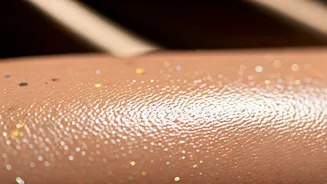
excess oil mixes with your makeup, causing it to break down, separate, and slide right off, creating a patchy or greasy look. Heavy, creamy formulas are often the first to go, feeling suffocating as they dissolve.
The Foundation of Success: Skin Prep
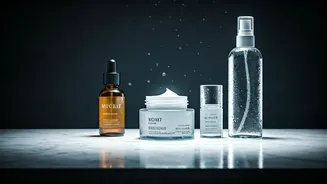
A flawless, humidity-proof look starts before you even touch your makeup. Begin with a gentle cleanser and follow with a lightweight, oil-free or gel-based moisturiser. Heavy creams will only add to the slip-and-slide effect. Sunscreen is non-negotiable, but opt for a gel or mineral-based formula that feels light and mattifying. The most crucial step, however, is primer. A mattifying, oil-absorbing primer is essential as it creates a gripping base for your foundation to cling to, especially in the T-zone (forehead, nose, and chin).
Choose Your Formulas Wisely
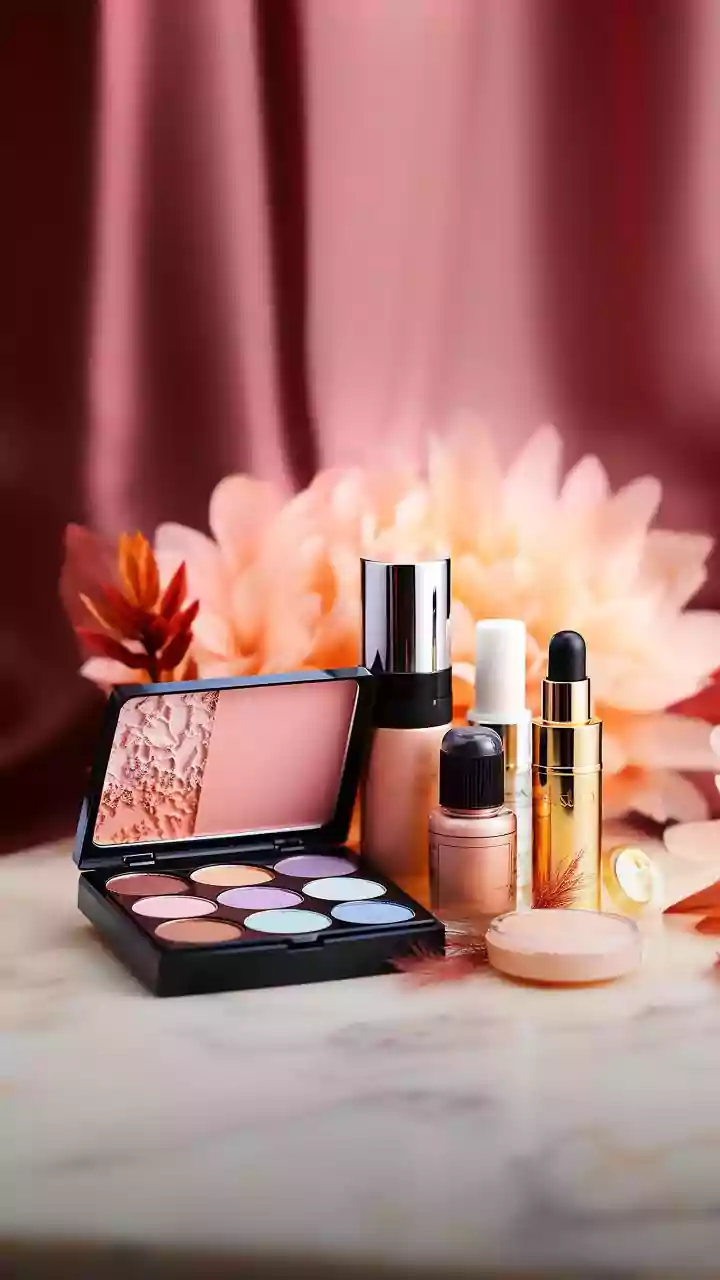
When it comes to base makeup, less is more. Swap heavy, full-coverage foundations for lightweight alternatives like a tinted moisturiser, a BB cream, or a breathable skin tint. If you need more coverage, look for foundations labelled as long-wearing, transfer-resistant, or matte. Silicone-based formulas often create a better barrier against moisture than water-based ones. For cheeks, cream blushes can be a great choice as they melt into the skin for a more natural, sweat-resistant finish compared to powders that can look cakey. For eyes, waterproof or water-resistant mascara and eyeliner are your best friends to avoid the dreaded "panda eyes.".
Master the Art of Application
How you apply your makeup is just as important as the products you use. Apply your base in thin, light layers rather than one thick coat. Using a damp beauty sponge to press the product into your skin helps it set better and provides a more natural finish. For areas that get particularly oily, some makeup artists recommend a "sandwich" method: apply foundation, a light dusting of powder, and then another very thin layer of foundation to lock everything in place. When it comes to powder, be strategic. Instead of dusting it all over your face, press a small amount of translucent setting powder only onto your T-zone. This controls shine where you need it most without causing a cakey buildup.
Lock It In and Stay Fresh
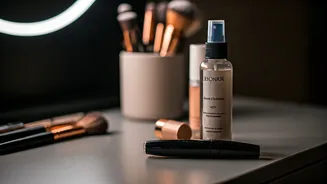
The final step to ensure your makeup lasts is a setting spray. A quality setting spray acts like a seal, fusing your makeup layers together to make them more resistant to sweat and humidity. Hold the bottle about an arm's length from your face and mist lightly. For touch-ups throughout the day, resist the urge to pile on more powder. Instead, use blotting papers to gently absorb excess oil without disturbing the makeup underneath. You can then re-mist with a setting spray to refresh your look.