

Start with Your Colour Story
Before you start arranging, take stock of your colours. The most successful designs pull from a cohesive palette of three to five shades already present in the room. Look to your rug, curtains, or a piece of art for inspiration. If your room is mostly
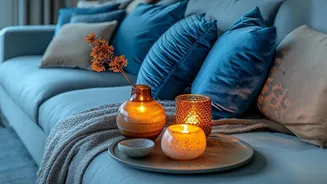
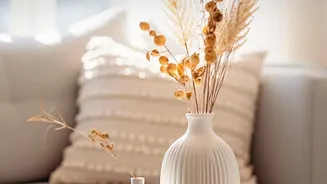
neutral, your pillows and throws are the perfect way to introduce a pop of colour. If the room is already colourful, you can either coordinate with those hues or use neutral textiles to create a sense of calm and balance. Sticking to a limited palette helps ensure your final arrangement looks intentional and harmonious, not chaotic.
Master the Art of the Pillow Mix
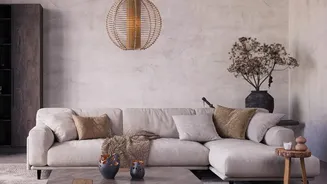
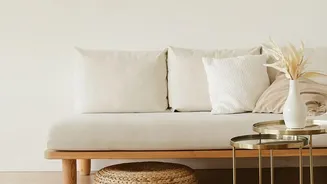
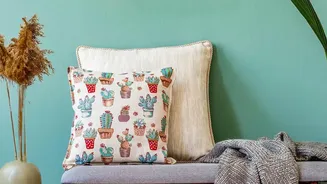
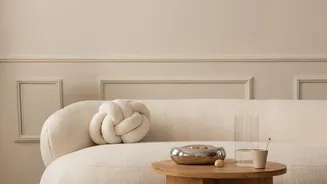
The biggest mistake many people make is using pillows that are all the same size and shape. To create a professional, layered look, variety is key. A simple and effective formula involves mixing sizes and shapes to create depth. Start with your largest pillows at the back—typically 22 or 24-inch squares—and place them in the corners of your sofa. Then, layer in medium-sized pillows, around 18 to 20 inches, and finish with a smaller accent pillow, like a rectangular lumbar or a round cushion, in the front or center. This hierarchy makes your seating look plush and thoughtfully designed. Odd-numbered groupings, such as three or five, tend to feel more modern and relaxed than symmetrical pairs.
Play with Contrasting Textures
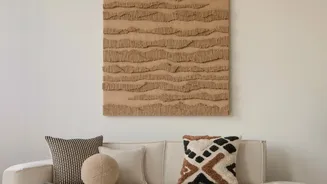
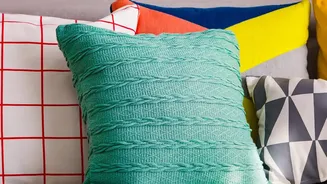
Texture is what prevents a room from feeling flat. Even within a monochromatic colour scheme, mixing different materials adds dimension and interest. Think about creating pleasing contrasts: pair a smooth velvet or silk cushion with a chunky knit throw, or place a linen pillow on a leather sofa. Combining soft, plush materials like faux fur or chenille with natural, organic textures like cotton or wool creates a rich, sensory experience that makes a space feel cosy and sophisticated. Don't be afraid to mix a solid, textured piece with a couple of complementary patterns to add personality.
Perfect Your Blanket Draping Technique
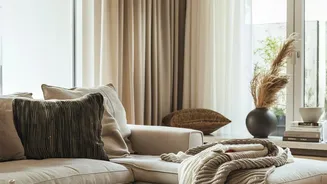
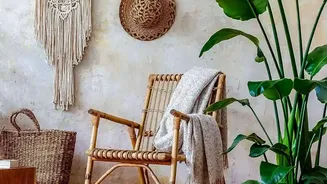
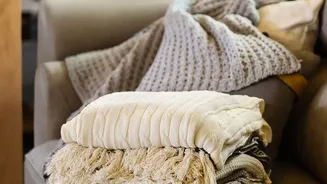
How you place your blanket can completely change the mood. For a relaxed, lived-in feel, the casual drape is a go-to choice. Simply drape it over the arm or back of a sofa, letting it fall naturally. For a more structured and polished look, fold the throw neatly lengthwise into thirds and lay it over the back of the sofa or the arm. Another popular method is folding a blanket and placing it across the bottom third of a bed, which adds a clean, hotel-like layer. The key is to make it look effortless but intentional—avoid a crumpled heap, which can make a space look untidy.
Think Beyond the Sofa and Bed
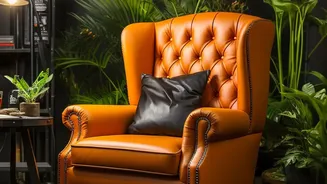
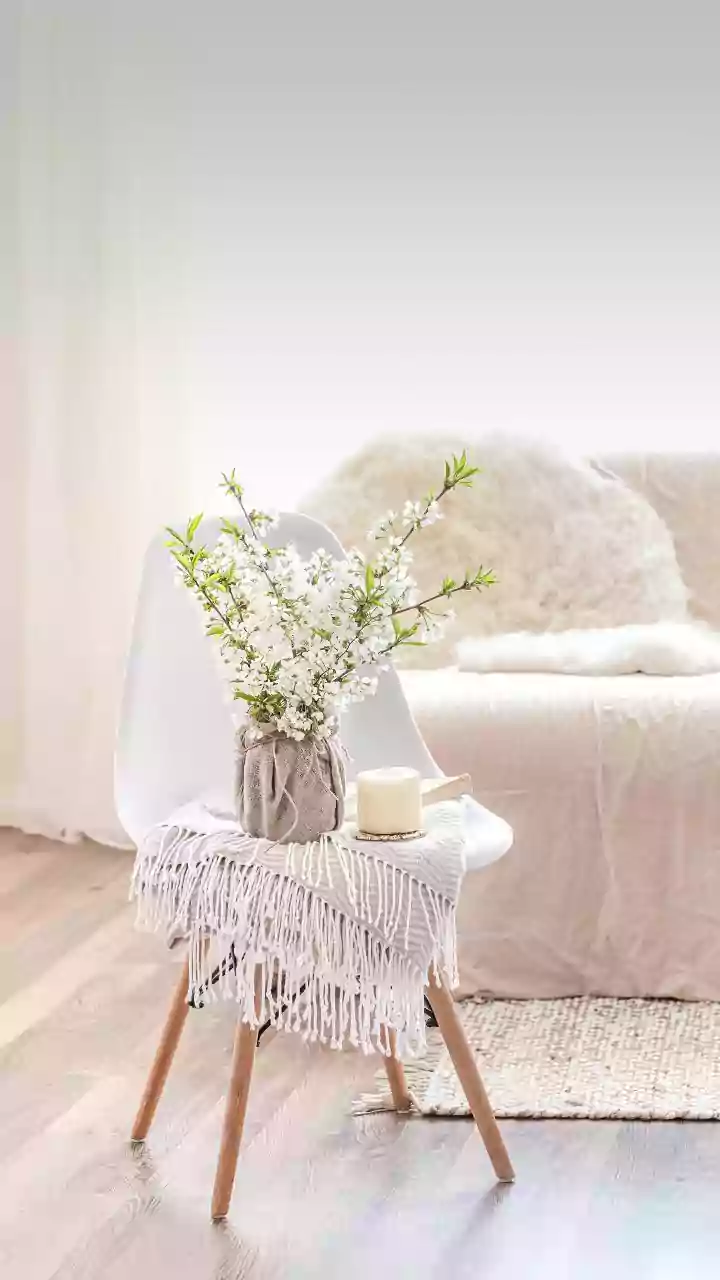
Soft furnishings aren't just for the main seating areas. You can add warmth and style to often-overlooked corners of your home. Place a folded throw on an entryway bench to make the space feel more welcoming. Create an inviting reading nook by adding a few layered pillows and a cosy blanket to a solitary armchair. A stylish lumbar pillow can even make a dining or office chair more comfortable and visually appealing. For a truly creative touch, consider hanging a particularly beautiful or graphic blanket as a tapestry or a makeshift headboard. You can also roll extra blankets and store them in a decorative basket, turning practical storage into a design element.