




Why This Trend Is Here to Stay
The idea of eating for heart health is not new, but its surge in popularity, especially during summer, marks a significant shift in our collective approach to wellness. Post-pandemic, there's a heightened awareness of how diet directly impacts immunity
and long-term health. People are actively seeking ways to feel better, and the summer heat naturally pushes us away from heavy, oily foods towards lighter, more hydrating options. This trend isn't driven by a fad diet but by a deeper understanding that what's good for the heart is often what feels best in the heat. It’s a move towards intuitive eating, where we listen to our bodies' needs for nourishment and hydration, making heart-friendly choices feel less like a rulebook and more like a natural, delicious way of life.
Embrace Hydrating Fruits and Vegetables
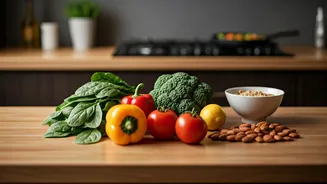
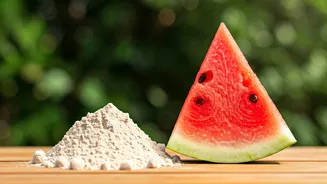
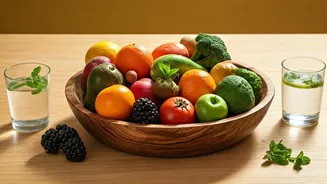
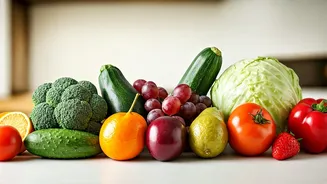
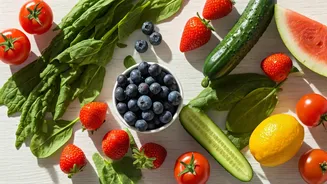
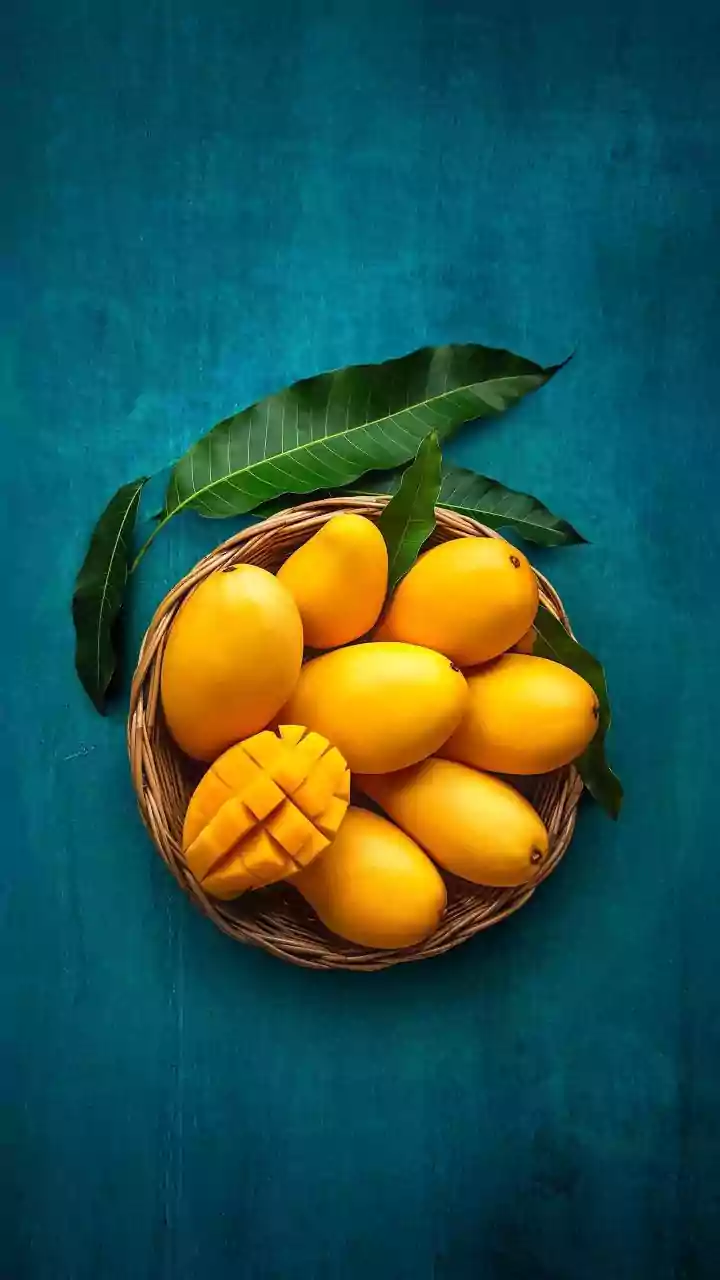
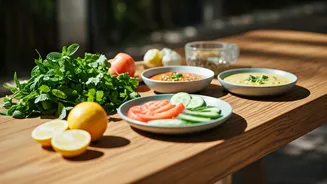
Summer’s greatest gift is its produce. Making them the star of your plate is the easiest step towards a heart-healthy diet. Foods with high water content not only keep you hydrated but are also packed with vitamins, minerals, and antioxidants. Think of crunchy cucumbers, juicy watermelons, and sweet muskmelons. In your cooking, lean on vegetables like lauki (bottle gourd), torai (ridge gourd), and pumpkin, which are light, easy to digest, and low in calories. They are rich in potassium, which helps counterbalance sodium and manage blood pressure. A simple kachumber salad, a bowl of chilled melon, or a light lauki curry can be both refreshing and incredibly beneficial for your cardiovascular system.
Choose Lighter, Leaner Proteins
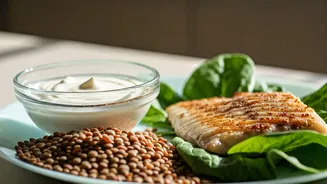
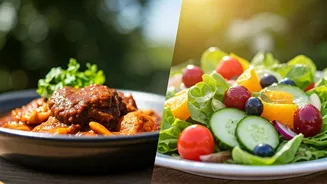
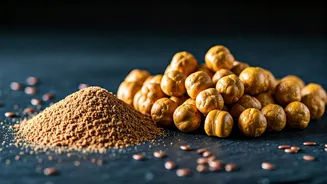
Heavy, fat-laden curries and deep-fried proteins can feel taxing on the system, especially when temperatures soar. Summer is the perfect time to switch to leaner protein sources. Plant-based proteins like lentils (dal), chickpeas (chana), and beans are fantastic choices. They are high in fibre, which helps lower cholesterol. For non-vegetarians, swap out red meat for grilled fish, which is rich in heart-protective omega-3 fatty acids, or opt for skinless chicken cooked in a light, yoghurt-based marinade. Even paneer, when grilled or stir-fried instead of being deep-fried and dunked in creamy gravy, serves as an excellent protein source. The key is in the preparation: steaming, grilling, and baking are your best friends.
Rethink Your Summer Thirst Quenchers
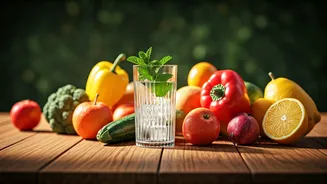
It’s easy to reach for a sugary soda or a commercially prepared sherbet to beat the heat, but these drinks are often loaded with empty calories and sugars that are detrimental to heart health. Instead, embrace traditional Indian coolers. Nothing beats the hydrating power of coconut water, which is also a great source of electrolytes. A glass of buttermilk (chaas) or a simple nimbu pani (with minimal sugar or a healthy substitute) can be incredibly refreshing. You can also get creative with infused water, adding slices of cucumber, mint leaves, or lemon to a pitcher of water for a flavourful, zero-calorie drink that keeps you hydrated all day long.
Incorporate Whole Grains and Healthy Fats
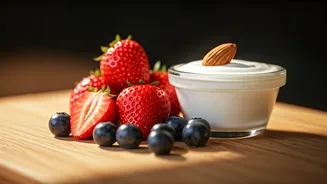
Heart-healthy eating doesn’t mean cutting out carbs or fats; it means choosing the right ones. Swap refined flour (maida) for whole wheat (atta), and incorporate ancient grains like jowar, bajra, and ragi into your diet. These complex carbohydrates provide sustained energy and are rich in fibre. Similarly, not all fats are bad. Healthy fats are crucial for heart function. Get your dose from nuts like almonds and walnuts (in moderation), seeds like flax and chia, and using oils like mustard or groundnut oil for cooking, rather than relying heavily on processed vegetable oils or ghee. A handful of soaked almonds for a morning snack is a simple, heart-smart habit.