






More Than Just a Bed
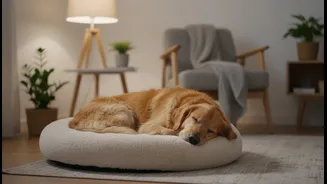
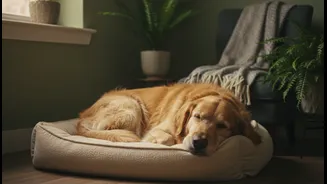
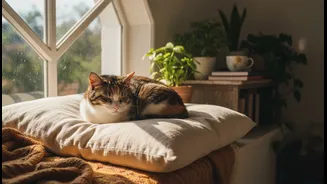
For dogs and cats, a dedicated resting spot is deeply rooted in their instinct. Dogs, as natural den animals, seek out safe, enclosed spaces where they can relax without being on alert. Cats, too, require secure places to hide and rest, especially since
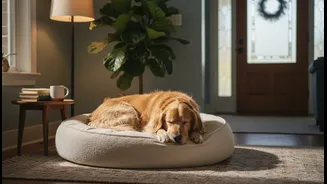
they can feel vulnerable when sleeping. This space isn't just about physical comfort; it's about psychological safety. When a pet has a predictable, undisturbed area to call their own, it reduces stress and anxiety, giving them a place to retreat from household chaos like visitors or loud noises. This feeling of security is crucial for their overall well-being and can lead to a calmer, more balanced temperament. A well-rested pet is often a better-behaved pet.
The Problem with Clutter and Traffic
When a pet's bed is surrounded by constantly used storage, it loses its function as a safe haven. A corner piled with gym bags, work briefcases, or shoes becomes a high-traffic zone. Every time you drop something off or pick something up, you are invading their territory. This constant motion, combined with the unfamiliar smells of the outside world brought in on those items, can be disruptive and stressful. The visual clutter itself can contribute to a sense of unease for pets who thrive on predictability and order. An organized home with clear pathways and defined spaces helps pets feel more secure. By treating their sleeping area as a storage unit, we unintentionally send a message that their space is not truly theirs and that they can be disturbed at any moment.
Signs Your Pet Is Uncomfortable
How can you tell if your pet feels their space is compromised? The signs can be subtle. A pet might become reluctant to use their bed, choosing to sleep elsewhere in the house. They may show signs of stress like excessive grooming, changes in appetite, or destructive chewing. Other indicators include hiding, increased vocalization like whining or barking, or becoming more withdrawn. In a cluttered space, your pet may seem restless, pace frequently, or startle easily. They might even begin to guard the area, showing aggression when someone approaches. These behaviours are often a direct communication of their discomfort and anxiety about their environment.
How to Build a Better Sanctuary
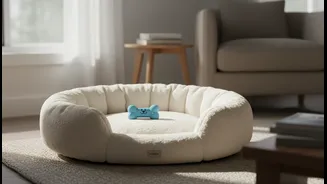
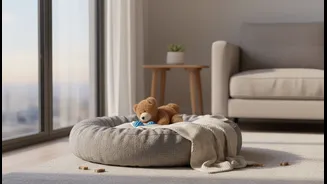
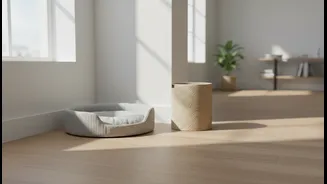
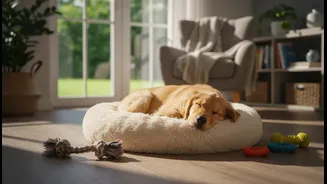
Creating the perfect pet sanctuary is straightforward. First, choose the right location. It should be in a quiet, low-traffic area of the house, but not so isolated that they feel ostracized. A corner of the living room or your bedroom often works well. Ensure the space is free from drafts and hazards like electrical cords. The bed itself should be large enough for them to stretch out comfortably and should have soft, familiar bedding. Most importantly, keep the area clear. Designate it as a 'no-storage' zone. The only items there should be your pet's, such as a favourite blanket or a safe toy, which can enhance their sense of ownership and comfort.
Teaching Boundaries for Everyone
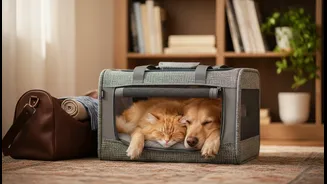
Once you've established this safe zone, the final step is to respect it. This is a rule for every member of the household. Teach children and visitors that when the dog or cat is in their bed, they are to be left alone. The bed should be a place where the pet knows they will not be bothered, grabbed, or forced to interact. This rule is paramount for building trust and reinforcing the security of the space. A crate can serve as an excellent den, but the door should be left open so the pet can come and go freely, ensuring they choose to be there rather than feeling confined. When a pet can retreat to their space and know their need for quiet will be honoured, it solidifies the bed's role as a true sanctuary.