





More Than Just One Clock
For years, we've thought about aging as a single, body-wide process. Your chronological age is how many years you’ve been alive, while your biological age is a measure of how well your body is functioning, reflecting damage to your cells over time. Two
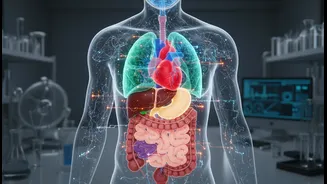
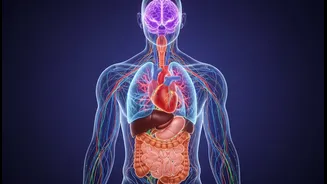
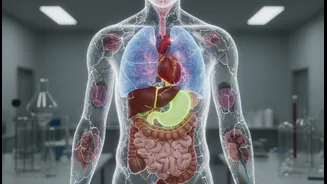
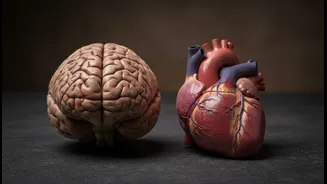
people can be the same chronological age, but one might have the biology of someone much younger due to lifestyle and genetics. But recent breakthroughs, particularly from researchers at Stanford Medicine, reveal an even more complex picture. It turns out, aging might not be a solo act. Instead, each of your organs—your heart, brain, liver, and kidneys—may be aging at its own unique pace. This means you could have a biologically “young” heart but an “old” kidney, all within the same body.
How Science Measures Organ Age
This discovery was made possible by a new method that analyzes proteins in the blood. Researchers identified thousands of proteins in blood plasma, with many originating from specific organs. By measuring the levels of these organ-specific proteins, scientists can create a 'proteomic signature' for each one. Using machine learning, they compared an individual's protein profile against large datasets to establish a 'biological age' for 11 different organ systems, including the heart, brain, lungs, and kidneys. This creates an “age gap” – the difference between an organ’s calculated biological age and a person's actual chronological age. Studies show about one in five healthy adults over 50 has at least one organ aging at a significantly accelerated rate.
The Fast and the Slow
Why would one organ age faster than another? The answer lies in a mix of genetics, environment, and lifestyle. Some organs, like the skin, are in constant contact with the outside world and renew their cells frequently. Internal organs, like the liver or kidneys, regenerate much more slowly, which can allow damage to accumulate undetected over time. A study from the University of Geneva suggests that hidden damage to non-coding DNA can prevent cell division, leading to an increase in non-functioning senescent cells in these slower-proliferating tissues. Furthermore, lifestyle factors such as diet, exercise, stress, and sleep can impact organs differently.
What This Means For Your Health
The age of your organs isn't just a number; it’s a powerful predictor of your future health. Research shows that having an organ with accelerated aging significantly increases your risk for diseases associated with that specific organ. For example, a person with an 'older' heart has a 2.5 times higher risk of heart failure, even if they show no other symptoms. Similarly, an 'older' brain is strongly linked to a higher risk of Alzheimer's disease, and accelerated lung aging is linked to COPD. The aging of one organ can also impact others. Advanced kidney aging, for instance, has been associated with an increased risk for diseases in other systems, highlighting the interconnectedness of our bodies.
The Future of Personalized Aging
This new understanding of multi-organ aging opens the door to a more proactive and personalized form of healthcare. Instead of waiting for symptoms to appear, doctors might one day use a simple blood test to scan your organ ages, much like a diagnostic check for a car. Identifying which organs are aging rapidly could allow for targeted interventions long before a disease fully develops. This could mean specific lifestyle changes, medications, or therapies designed to slow the aging of a particular organ. The ultimate goal is to shift from sick care to true health care, helping people not only live longer but also maintain function and quality of life for as long as possible.