




A Tragedy in the Blink of an Eye
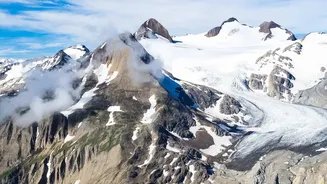
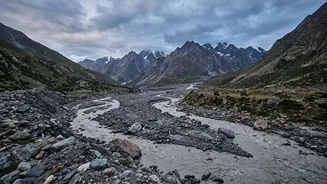
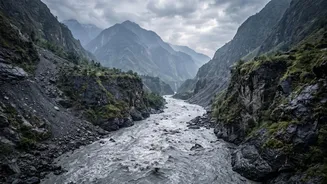
On the morning of August 26, 2026, a catastrophic flash flood tore through the Trishuli River valley in Nepal. Triggered by a glacial collapse high in the mountains, a wall of water, rock, and mud descended with terrifying speed, sweeping away homes,
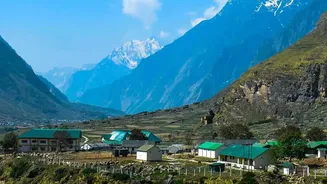
bridges, and sections of vital highways. The disaster struck popular trekking and pilgrimage routes in the Rasuwa and Nuwakot districts, areas frequented by international tourists and locals alike. In the aftermath, hundreds were confirmed dead or missing, including many foreign trekkers. The event highlights the inherent vulnerability of mountain communities and travellers to sudden, extreme weather events that are becoming more frequent in a warming Himalayas.
The Dangerous Blind Spots of Technology
In an age where we have weather forecasts in our pockets, how can such a disaster strike with so little warning? The answer lies in the limitations of our technology. Weather apps and regional forecasts are based on models that struggle with the complex terrain of the Himalayas. They generalize conditions over large areas and cannot predict the hyper-local microclimates of individual valleys. A forecast might show a clear day for a whole district, while a specific gorge faces an imminent, deadly torrent. These models are poor at predicting sudden events like glacial lake outburst floods (GLOFs) or landslides triggered by intense, isolated rainfall. Relying solely on a smartphone app in this environment provides a false sense of security, as it misses the subtle, on-the-ground signs that signal danger.
The Wisdom Written on the Landscape
This is where local knowledge becomes not just helpful, but essential for survival. For generations, communities in the Himalayas have developed a deep, intuitive understanding of their environment. This wisdom is a living early-warning system. A local guide can read signs that no app can. They know the normal colour and level of a river and can spot the subtle change that indicates heavy upstream rain or glacial melt. They understand the peculiar behaviour of clouds gathering over a specific ridge and know which slopes are unstable after a monsoon shower. They hear stories passed down through generations about which gullies are prone to flash floods. This is not folklore; it is a time-tested science of observation and experience that is critical for navigating these landscapes safely.
A Traveller’s Duty: Humility and Respect
For travellers from India and beyond, this tragedy must force a shift in mindset. The mountains are not a theme park where our convenience is guaranteed. Responsible travel in the Himalayas means more than just packing out our trash; it means packing a healthy dose of humility. This starts with hiring licensed, local guides and porters. It means listening to them when they advise against crossing a stream or suggest delaying a day's trek due to conditions they feel are unsafe, even if the sky looks clear. Engage with teahouse owners and villagers; ask them about the conditions. Their knowledge is your best insurance policy. Choosing to support the local economy by hiring guides is a direct investment in your own safety.
A Lesson for the Entire Himalayan Arc
While this specific tragedy unfolded in Nepal, its lessons are critically relevant for popular Indian destinations like Ladakh, Himachal Pradesh, Uttarakhand, and Sikkim. The geological and climatic conditions are identical. The risk of GLOFs, landslides, and flash floods is a shared reality across the entire mountain range. Pilgrims on the Char Dham Yatra, trekkers in the Valley of Flowers, and tourists heading to Leh all face similar environmental hazards. The principle of prioritising local, ground-level intelligence over generic digital forecasts is a universal rule for staying safe in the high mountains. What happened in the Trishuli valley should be a wake-up call for anyone planning a Himalayan journey, reminding us that the oldest wisdom is often the most advanced.