




The Psychology of Hiding
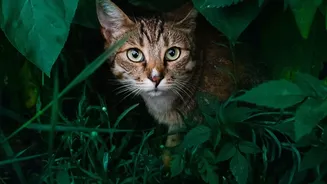
For a cat, hiding is a fundamental behaviour rooted in its dual identity as both predator and prey. In the wild, concealment is essential for survival—it allows them to stalk prey unnoticed and avoid becoming prey themselves. This instinct remains powerful
in domestic cats. A good hiding spot provides a sense of security, a quiet place to rest without feeling vulnerable, and a vantage point from which to observe household activities from a distance. When a cat is stressed by loud noises, visitors, or changes in its environment, a safe retreat is crucial for managing anxiety. Studies have even shown that providing access to hiding boxes helps newly homed cats adapt faster and show fewer signs of stress. Far from being an antisocial quirk, seeking seclusion is a healthy coping mechanism that gives your cat control over its environment.
Good Hiding vs. Bad Hiding
Not all hiding spots are created equal. The difference between a healthy retreat and a dangerous trap lies in control and choice. A good hiding place is a voluntary sanctuary that the cat can enter and exit at will. It is a resource that reduces stress. A bad hiding place, conversely, is one that a cat might enter but have difficulty leaving, turning a quest for comfort into a high-risk situation. These spots often have only one entrance, can be accidentally blocked, or have mechanisms that can cause entrapment. Understanding this distinction is the first step toward creating a truly cat-friendly home where your pet feels both secure and safe.
The Golden Rule: Ensure Multiple Exits
The single most important feature of a safe hiding space is accessibility, which includes having more than one way out. A spot with a single entrance can easily become a trap. Another pet, a curious child, or even a falling object can block the exit, causing immense stress and potential danger. A cat that feels cornered is a cat in distress. Spaces like tunnels or cardboard boxes with holes cut in at least two sides are ideal. These allow the cat to feel enclosed and secure while always having an escape route. This simple design feature respects their instinct to flee if necessary and prevents a peaceful nap from turning into a panicked struggle. When evaluating or creating hiding spots, always ask yourself: can my cat get out easily from more than one direction?
Common Household Danger Zones
Many common household items pose a significant trapping risk to curious cats. Reclining chairs and sofa beds are notorious dangers; their internal mechanisms can easily crush or trap a cat hiding underneath. Always check beneath them before closing. Cats may also crawl into warm, dark spaces like clothes dryers, so keeping the door shut is vital. Other potential traps include gaps behind appliances, chest freezers, little-used cupboards, and access points to wall cavities or chimneys. Sheds and garages are also risky, as a cat might slip in unnoticed and become trapped when the door is closed. Being aware of these hazards is crucial for preventing a tragedy.
How to Create Purr-fectly Safe Sanctuaries
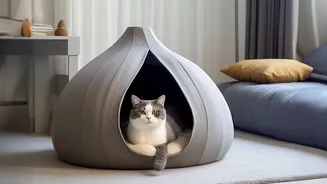
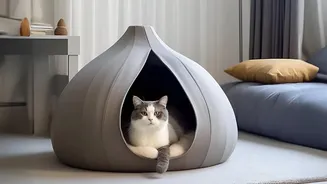
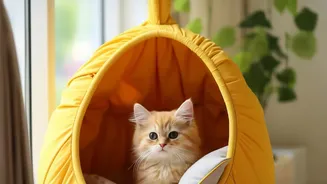
The good news is that creating safe, appealing hiding spots is easy and often inexpensive. Cardboard boxes are a feline favourite; simply cut an entrance and an exit hole and place a soft blanket inside. Paper bags (with the handles removed to prevent suffocation) also make for a fun, temporary hideout. You can invest in cat-specific furniture like cat trees with enclosed perches, cat caves, or play tunnels. Even draping a blanket over a side table can create a perfect den. The key is placement. Situate these sanctuaries in quiet, low-traffic areas of the home, but also consider spots near a window for entertainment. By providing multiple, appealing, and safe options, you encourage your cat to choose these over potentially hazardous alternatives. This proactive approach to their environment builds trust and deepens their sense of security.