






What Exactly Is Lymphatic Walking?
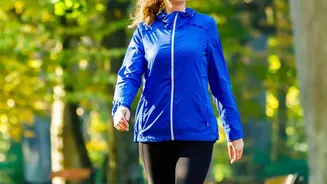
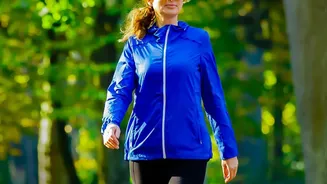
At its core, lymphatic walking isn’t a revolutionary new exercise. It’s essentially a more mindful and intentional version of a brisk walk. The technique, as seen in countless online videos, generally involves walking at a comfortable pace, maintaining
good posture, swinging your arms naturally, and focusing on deep, diaphragmatic breathing. The main idea is to engage your muscles and breath in a way that is thought to specifically stimulate your lymphatic system. Unlike the cardiovascular system, which has the heart as a central pump, the lymphatic system relies on muscle contractions and bodily movement to circulate lymph fluid. This fluid is crucial for immune function and clearing waste from your tissues. The techniques associated with lymphatic walking—good posture, arm swings, and deep belly breaths—are all intended to maximize this natural pumping action.
The Promised Benefits
Proponents of lymphatic walking, particularly on social media, often share impressive-sounding benefits. The most common claims include reducing bloating and puffiness, feeling lighter and less swollen, flushing toxins, and even aiding in weight loss. Many people do report feeling more energised and less stiff after trying it. The logic behind these claims is that by enhancing the flow of lymph fluid, you are more efficiently removing waste and excess fluid that can accumulate in your tissues, leading to that puffy or heavy feeling. While the idea of “flushing toxins” is a popular wellness concept, it's often an oversimplification of complex bodily processes.
An Expert Reality Check
This is where expectations need to be managed. While the principles behind lymphatic walking are sound, there is currently no scientific evidence to suggest that this specific technique is any more effective than a regular, purposeful walk. Any form of walking will stimulate your lymphatic system. When you walk, the muscles in your legs contract, squeezing lymphatic vessels and pushing the fluid along. Deeper breathing, which naturally occurs during a brisk walk, also changes the pressure in your chest and abdomen, helping to pull lymph fluid upwards. Experts agree that exercise is crucial for lymphatic health, but they also point out that a healthy lymphatic system does its job effectively without special intervention. Claims about 'melting fat' or instant detoxing through this specific walking style are not supported by science.
So, What Does Walking Do for You?
The good news is that you don't need a special label to reap the lymphatic benefits of your daily walk. Any moderate-intensity walk where your breathing rate increases and your muscles are engaged does the job. Studies have shown that physical activity can significantly increase lymph flow compared to resting levels. The calf muscles, in particular, are sometimes called the body's 'second heart' for their role in pumping both blood and lymph fluid against gravity. So, whether you call it 'lymphatic walking' or just 'going for a walk,' the simple act of moving your body is one of the best things you can do for your lymphatic system. Activities like swimming, cycling, and yoga are also excellent for the same reasons.
How to Walk for Better Well-being
Instead of focusing on a trendy name, it's more productive to focus on the quality of your movement. If the lymphatic walking trend encourages you to be more mindful, that’s a positive outcome. You can incorporate its best elements into any walk. Pay attention to your posture, keeping your chin up and shoulders relaxed. Let your arms swing freely instead of holding a phone. Focus on a smooth, heel-to-toe foot strike to fully engage your calf muscles. And take a few moments to breathe deeply from your belly, especially at the start of your walk. These are all components of good walking form that support overall health, including your lymphatic system, without needing to follow a rigid or overhyped routine. The most important factor, according to experts, is consistency.