
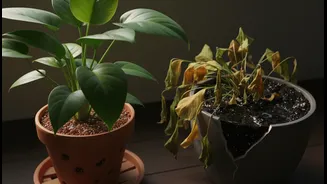


The Problem Lurking in the Pot
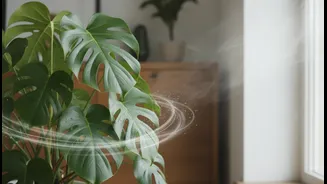
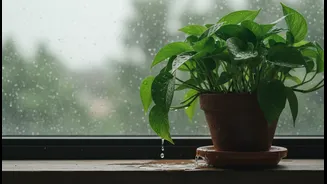
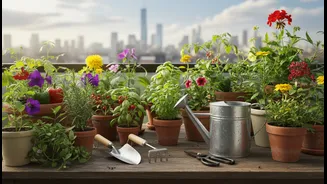
For many new gardeners, the first sign of trouble isn't a wilting leaf, but tiny insects buzzing around their pots. Soil-based indoor gardening can inadvertently create a welcoming habitat for a host of common pests. Fungus gnats, for instance, thrive
in moist potting soil, where their larvae feed on organic matter and tender plant roots. These and other soil-dwelling pests like root aphids and mealybugs can live in or lay eggs in the soil, creating persistent infestations that are difficult to eradicate. They can cause stunted growth, introduce diseases, and quickly turn an exciting new hobby into a constant battle against unseen invaders hiding beneath the surface.
Understanding Clean Liquid Systems
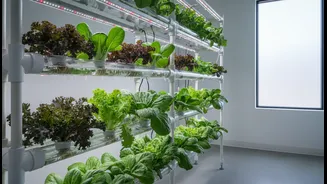
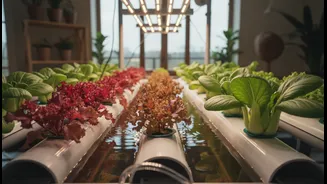
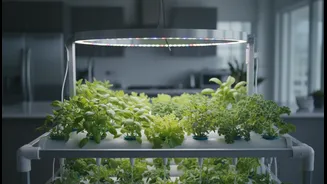
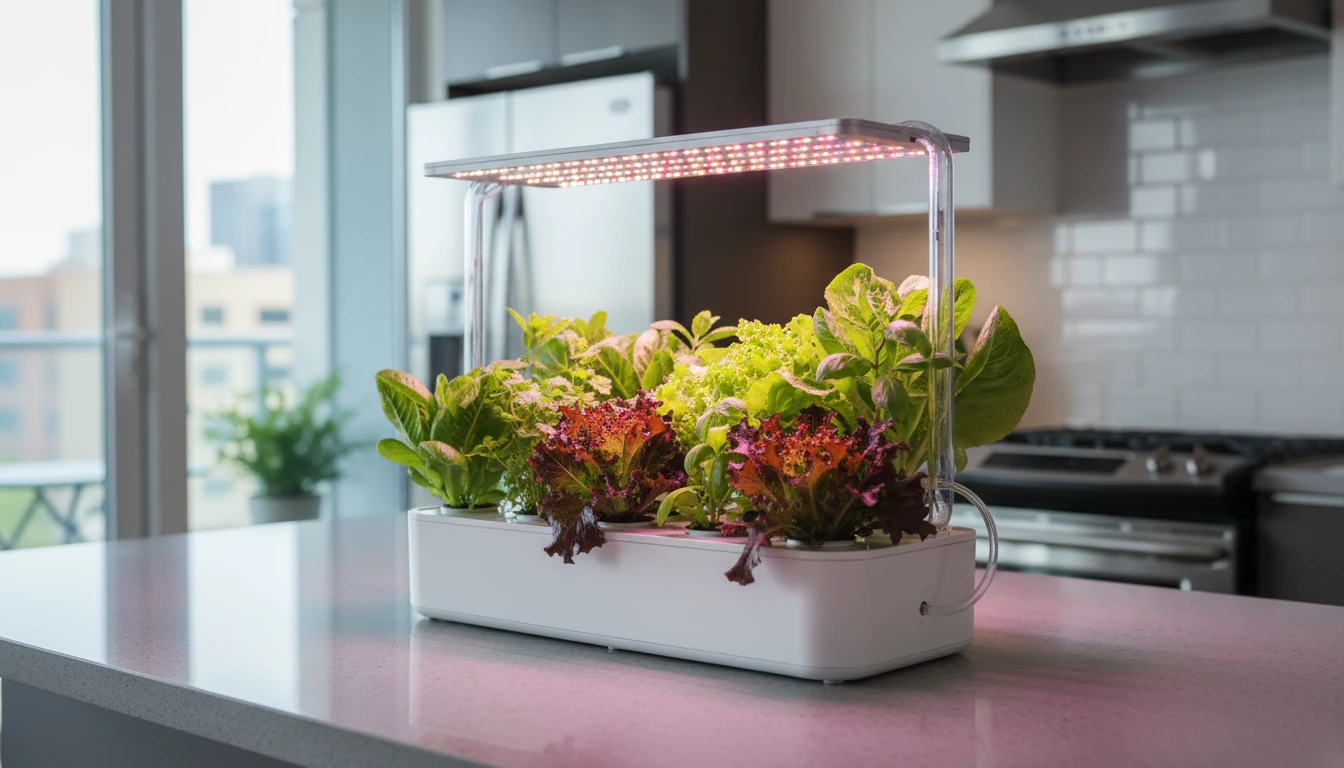
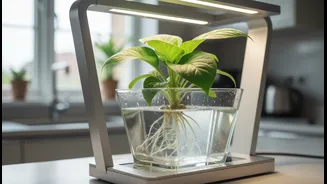
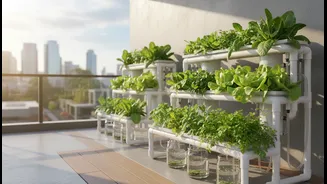
Clean indoor liquid systems, most commonly known as hydroponics, offer a revolutionary alternative by completely removing soil from the equation. Hydroponics is a method of growing plants where all the necessary nutrients are delivered via water directly to the roots. Instead of soil, plants are often anchored in an inert medium like rockwool or clay pebbles, or simply suspended with their roots hanging directly into a nutrient-rich solution. This category includes several types of setups, such as Deep Water Culture (DWC), Nutrient Film Technique (NFT), and wick systems, all designed to provide a highly controlled and clean growing environment.
How No Soil Means No Soil Pests
The primary advantage of hydroponics for pest control is simple: by eliminating soil, you eliminate the natural breeding ground for soil-borne pests. Fungus gnats have nowhere to lay their eggs, and root-eating larvae cannot survive. This immediately prevents some of the most common and persistent issues faced by indoor gardeners. Furthermore, the controlled nature of an indoor hydroponic setup makes it a fortress against invaders. Because you are managing a closed system, you have more control over what comes in and out, significantly reducing the risk of introducing pests from outside sources like contaminated bags of potting mix.
Choosing a Beginner-Friendly System
For those just starting, the world of hydroponics can seem technical, but many systems are surprisingly simple. The Deep Water Culture (DWC) system is one of the easiest and most affordable for beginners. It typically consists of a container or bucket filled with the nutrient solution, with plants held in net pots in the lid and their roots submerged in the water. An air pump and air stone are used to oxygenate the water, which is crucial for root health. The Kratky method is even simpler, requiring no pumps or electricity at all, making it a passive and low-maintenance entry point into soil-free growing.
Vigilance Is Still Your Best Defence
While liquid systems eliminate soil pests, they aren't entirely immune to all bugs. Pests that travel by air, such as aphids, spider mites, and whiteflies, can still find their way to your indoor garden. However, managing them is often easier in a clean hydroponic environment. Regular inspection is key. Check the undersides of leaves for signs of pests like tiny webs from spider mites or clusters of aphids. Maintaining a clean growing area, ensuring good air circulation, and isolating any new plants before adding them to your system are critical preventative measures. Should pests appear, they can often be managed with simple methods like wiping leaves or using organic insecticidal soaps.