




The Persistent Threat to Livelihoods
Across India, an estimated 15-25% of crop production is lost to pests and diseases each year. For a small farmer, a single, misidentified fungal or pest attack can be the difference between a profitable season and devastating debt. The traditional solution
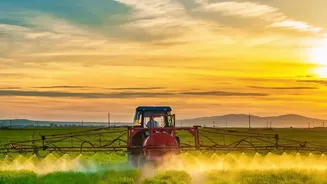
has been to consult a local agriculture extension officer, but with roughly one officer for every 1,400 farm families in India, timely advice is not always guaranteed. This gap often forces farmers to either wait days for an expert to visit or rely on guesswork and broad-spectrum pesticides, which can be costly, ineffective, and harmful to the environment.
A Digital Doctor in the Field
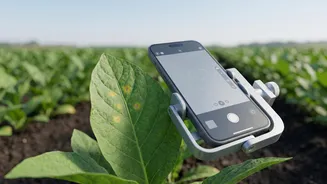
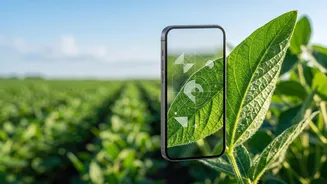
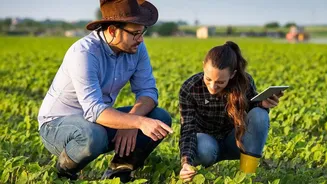
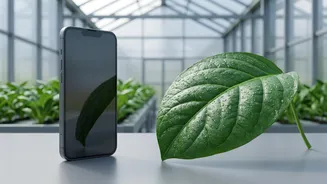
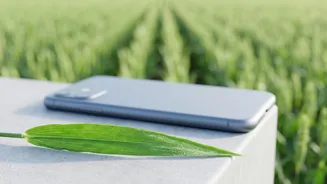
This is where artificial intelligence is making a tangible difference. A new generation of smartphone applications is putting the power of a diagnostic lab into the hands of farmers. Apps like Plantix and government-backed platforms like MahaVISTAAR-AI are designed for the reality of Indian farming. Using a simple smartphone camera, these tools allow a farmer to photograph a suspicious-looking leaf or stem and receive a near-instant diagnosis and a recommended course of action, often in their local language. It's a system that works even in areas with limited connectivity, bridging a critical information gap that has plagued the agricultural sector for decades.
From a Photo to a Precise Fix
The process is remarkably simple yet technologically advanced. When a farmer uploads a photo, the app's AI compares it to a massive database containing hundreds of thousands of images of plant diseases. Using machine learning, the software identifies the specific patterns of discoloration, lesions, or pests. Within seconds, it provides a diagnosis with an accuracy rate that can exceed 90% for common crop ailments. More importantly, the app doesn't just name the problem; it provides a solution. It suggests specific, targeted treatments, recommends the correct dosage of fungicides or pesticides, and offers advice on integrated pest management, helping farmers avoid unnecessary chemical use.
Real-World Impact in Maharashtra
In Maharashtra, this technology is already showing promising results across major crops like cotton, soybean, and sugarcane. One cotton farmer in Yavatmal, for example, used an AI app to identify an early-stage leaf spot disease. The app's immediate and specific fungicide recommendation allowed him to treat the crop effectively, saving what could have been a 30% yield loss experienced by his neighbour who relied on traditional methods. Similarly, a state-backed pilot project for sugarcane farming in Baramati used AI to optimize irrigation and inputs, resulting in increased yields and a 42% average saving in water. The state government is now expanding these AI-based pilot projects to cover 10,000 farmers growing a range of cash crops.
Beyond the Immediate Harvest
The benefits of this technology extend far beyond a single farm. By recommending targeted treatments, these apps help reduce the overall amount of pesticides used, leading to lower costs for farmers and less chemical runoff into soil and water. Furthermore, the data collected from thousands of farmers creates a real-time map of crop diseases. Maharashtra's Smart Agriculture Program, for instance, aggregates data to monitor disease outbreaks, allowing authorities to issue early warnings and manage resources more effectively. This creates a virtuous cycle where every farmer using the app contributes to a more resilient agricultural ecosystem for the entire region.
Challenges on the Path to Adoption
Despite the clear advantages, widespread adoption still faces hurdles. While smartphone penetration has increased, not every farmer in remote areas owns one or has reliable internet access. Digital literacy and building trust in a new technology are also significant challenges. Farmers often build trust through small, consistent wins—getting reliable daily weather updates or correct answers to minor queries before they are willing to trust the AI with bigger decisions like sowing time or major treatments. The success of these platforms will depend on their ability to remain user-friendly, accessible in local dialects, and prove their value on the ground, season after season.