




Foxtail Millet: The Versatile All-Rounder
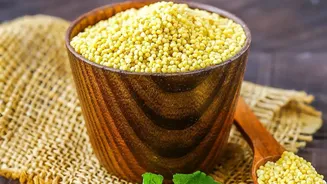
Often called 'kangni' or 'thinai', foxtail millet is perhaps the most beginner-friendly of the bunch. It has a mild, slightly nutty flavour and a texture that’s very similar to rice, making it an easy substitute in a variety of dishes. It cooks up into
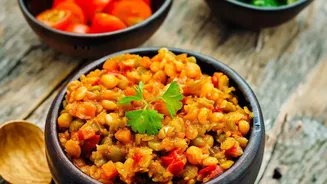
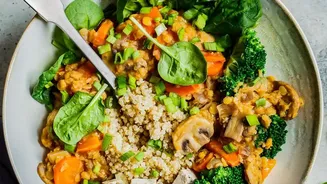
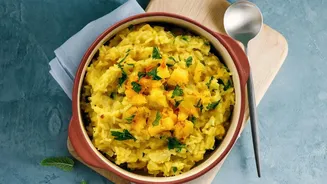
light, fluffy grains that work wonderfully in upma, pulao, lemon millet, and even as a simple replacement for steamed rice. Nutritionally, foxtail millet is a powerhouse. It is rich in protein, dietary fibre, and essential minerals like calcium and iron. Its high fibre content promotes good digestion and can help with weight management by keeping you feeling full for longer. Furthermore, it has a low glycemic index, which means it releases sugar into the bloodstream slowly, making it a great option for managing blood sugar levels.
Kodo Millet: The Fibre and Antioxidant Champion
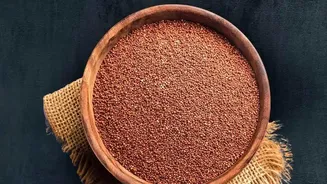
Known as 'varagu' or 'kodra', Kodo millet is a bit more robust than foxtail. It has a darker colour, a firmer bite, and a more pronounced earthy flavour. This millet typically requires soaking for about 30 minutes before cooking, but it holds its shape well, which makes it ideal for dishes like biryani, khichdi, and for use in dosa or idli batter. Kodo millet is celebrated for its impressive dietary fibre content, which is great for promoting gut health and aiding in weight management. It is also packed with antioxidants, which help fight oxidative stress and may reduce the risk of chronic diseases. Its low glycemic index and high magnesium content make it particularly beneficial for heart health and blood sugar control.
Barnyard Millet: The Quick-Cooking Light Grain
Barnyard millet, or 'sanwa', 'jhangora', or 'kuthiraivali', is the fastest-cooking grain of the trio. Its small, soft grains cook up quickly and have a texture similar to broken rice, making them perfect for comforting dishes like porridge, khichdi, and upma. It’s also the grain frequently used for fasting dishes, often sold as 'vrat ke chawal'. One of the standout features of barnyard millet is its very low glycemic index, making it an excellent choice for individuals with diabetes. It is rich in fibre, which aids digestion, and is a good source of iron, which can help combat fatigue and anaemia. Despite being light, it is nutrient-dense, providing sustained energy without feeling heavy.
Which One Should You Choose?
The best millet for you depends entirely on your goals and taste preferences. If you're just starting out, the mild flavour and rice-like texture of foxtail millet make it the perfect introductory grain. If your primary focus is on managing blood sugar levels or you enjoy a heartier, earthier flavour, Kodo millet is an excellent choice. For those looking for a quick-cooking, light, and easily digestible option, especially for weight management or fasting, barnyard millet is ideal. Don't be afraid to experiment. Each millet brings a unique texture and nutritional profile to the table. Rotating between them is a great way to add variety to your diet and enjoy the distinct benefits of each.
Tips for Buying and Storing Millets
When purchasing millets, look for grains that are clean, uniform in size, and free from any signs of moisture or pests. It’s best to buy from a reputable source that ensures good quality. To maintain their freshness and prevent them from going rancid, store millets in an airtight container in a cool, dark, and dry place. Before cooking, it's always a good practice to rinse the millets thoroughly under running water. Some millets, like Kodo, benefit from a brief soaking period to soften the outer layer and improve digestibility. Always check the specific cooking instructions for the variety you are using, as water ratios and cooking times can differ.