






The New Gateway to Upper Assam
Not long ago, Jorhat was a quiet administrative town, known primarily for its sprawling tea estates. Today, it has transformed into a bustling gateway for modern travellers. One of the biggest drivers of this change is connectivity. With its own airport
offering links to major cities and its strategic position on National Highway 37, Jorhat has become the most practical starting point for exploring Upper Assam and beyond. This improved infrastructure is part of a wider regional push that is making the entire North-East more accessible than ever before. For travellers, this means less time spent on arduous journeys and more time immersing themselves in the destination. The city's role is no longer just as a pass-through but as a logistical and cultural basecamp for regional exploration.
More Than Just a Stopover
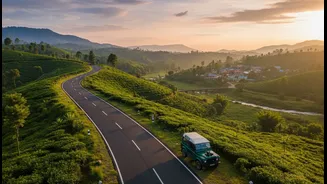
While its strategic location is key, Jorhat’s own attractions are a significant part of its appeal. Often called the 'Tea Capital of India', the area boasts over 135 tea gardens, offering visitors a chance to stay in heritage bungalows and learn about tea production. The city is also home to the Tocklai Tea Research Institute, the world's oldest and one of its most important centres for tea science. Beyond the greenery, Jorhat has a rich history as the last capital of the Ahom Kingdom, with numerous historical sites dotting the landscape. This combination of nature, history, and culture provides a compelling reason for travellers to extend their stay and explore the town itself, rather than simply passing through.
The Crucial Majuli Connection
A major factor behind Jorhat's rising popularity is its role as the primary gateway to Majuli, the world's largest river island. Accessible by ferry from Nimati Ghat, just a short drive from Jorhat, Majuli is a centre of Assamese Vaishnavite culture, known for its ancient monasteries (Satras) and unique traditions like mask-making. Travellers looking to experience the serene, water-bound life of the island find Jorhat to be the most convenient and reliable base. This symbiotic relationship boosts tourism for both locations; the allure of Majuli brings people to Jorhat, and Jorhat’s accessibility makes the journey to the remote island feasible for a wider range of tourists.
A Microcosm of a Larger Shift
Jorhat’s success story is a reflection of a broader trend reshaping tourism across the entire North-East. Indian travellers are increasingly moving beyond crowded hotspots, seeking out quieter, more authentic, and nature-based experiences. There's a growing demand for slow travel, cultural immersion, and eco-friendly options, all of which the North-East offers in abundance. This shift in preference has put the spotlight on the region, which was historically underrepresented in India's tourism landscape. The rise of homestays, the promotion of cultural festivals like Hornbill and Ziro, and the viral reach of social media have all helped lesser-known destinations like Jorhat gain national attention.
The New North-East Traveller
The profile of the tourist visiting the North-East is also evolving. It's no longer just the domain of intrepid backpackers and adventure junkies. Thanks to better infrastructure and a wider range of comfortable accommodations, the region is attracting families, couples, and solo travellers seeking peaceful escapes. These travellers are drawn by the promise of authentic cultural encounters, from staying in tribal homestays to exploring indigenous cuisines. This diversification of the visitor base is crucial for the sustainable growth of tourism, creating a more stable and resilient local economy. The demand is not just for sightseeing, but for meaningful experiences that offer a genuine connection to the place and its people.