

The Grand Welcome: Refreshing Your Entrance
The entrance sets the tone for your entire home. This year, the focus is on creating a warm, inviting threshold that speaks of celebration from the moment a guest arrives. A traditional toran made of fresh marigolds and mango leaves remains a timeless
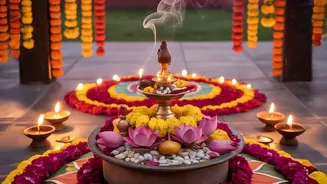
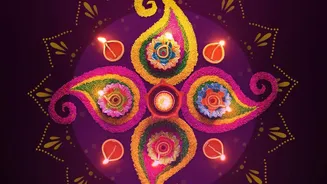
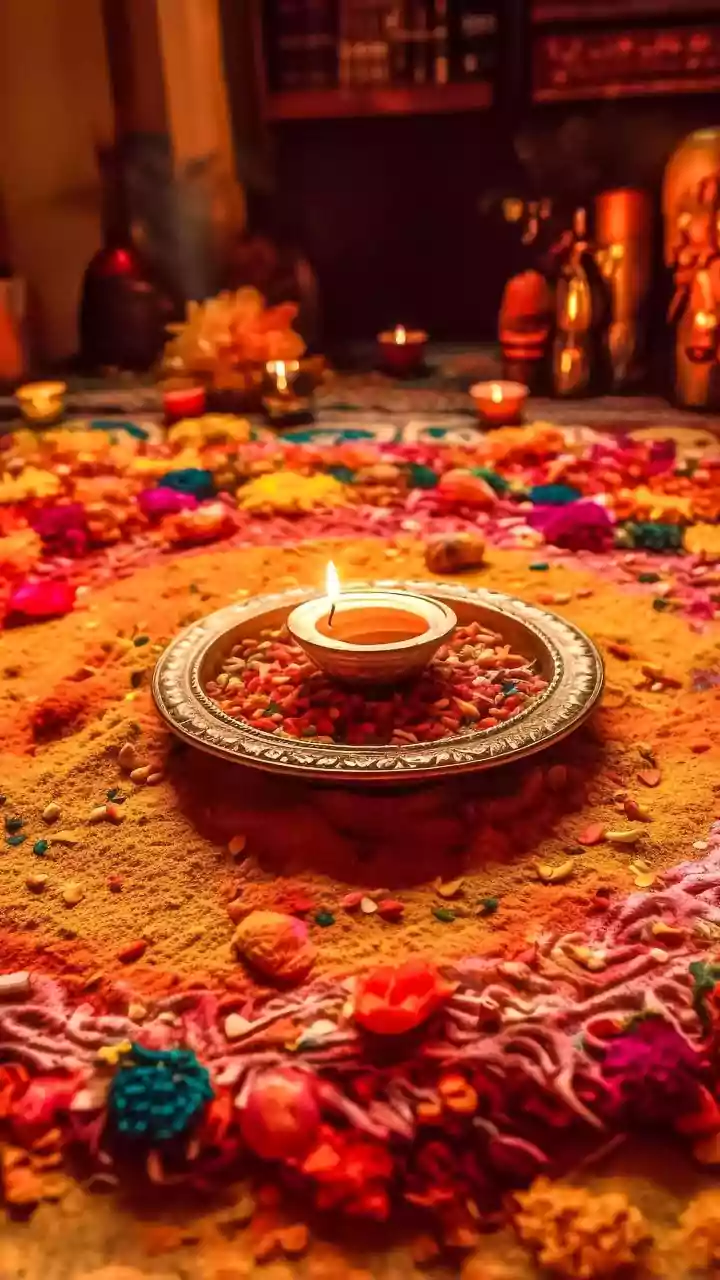
and auspicious choice. Beyond the classic toran, consider creating a simple, elegant rangoli. You don't need to be an artist; a small, neat design using flower petals or natural powders can look more impactful than a large, complicated one. Flank the doorway with a pair of matching decorative pots or a cluster of brass or terracotta diyas to cast a welcoming glow in the evenings. These small, intentional touches create a powerful first impression without cluttering the space.
The Heart of the Home: A Sacred Pooja Space
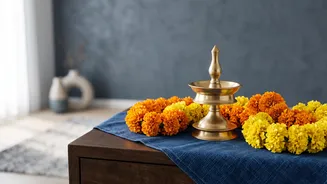
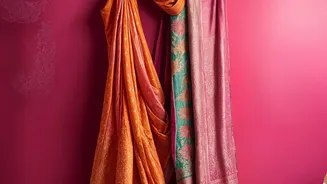
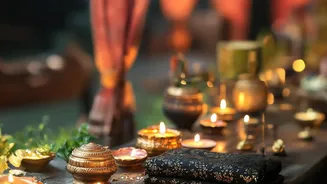
The pooja room or mandir corner is the spiritual epicentre of Navratri celebrations. To make it feel special, start by creating a vibrant backdrop. This can be as simple as draping a rich, colourful fabric like an old silk sari or an embroidered dupatta behind the idols. Decorate the chowki, or small platform, with a clean cloth and arrange your idols, ensuring the space looks neat rather than crowded. Fresh flower garlands are essential, and while marigolds are traditional, you can also mix in jasmine, roses, or other locally available blooms. For lighting, group brass or clay diyas together to create intentional points of warmth, and consider weaving warm-white fairy lights through the setup for a divine, layered glow.
Living Spaces That Breathe Celebration
Extending the festive feel into the living room connects the entire home to the celebration. The easiest way to do this is by swapping out everyday textiles for more festive ones. Change your cushion covers and throws to fabrics in rich colours like deep red, saffron yellow, or royal blue. You don't need to redecorate completely; just a few well-chosen accents can transform the room's mood. Create a beautiful focal point with an urli bowl filled with water, floating flowers, and a few tea-light candles. This simple arrangement adds a touch of serene elegance to a coffee table or a corner. Brass accents, such as a statement vase or decorative tray, can also catch the light beautifully and add a touch of traditional grandeur.
A Nod to Sustainability and Craft
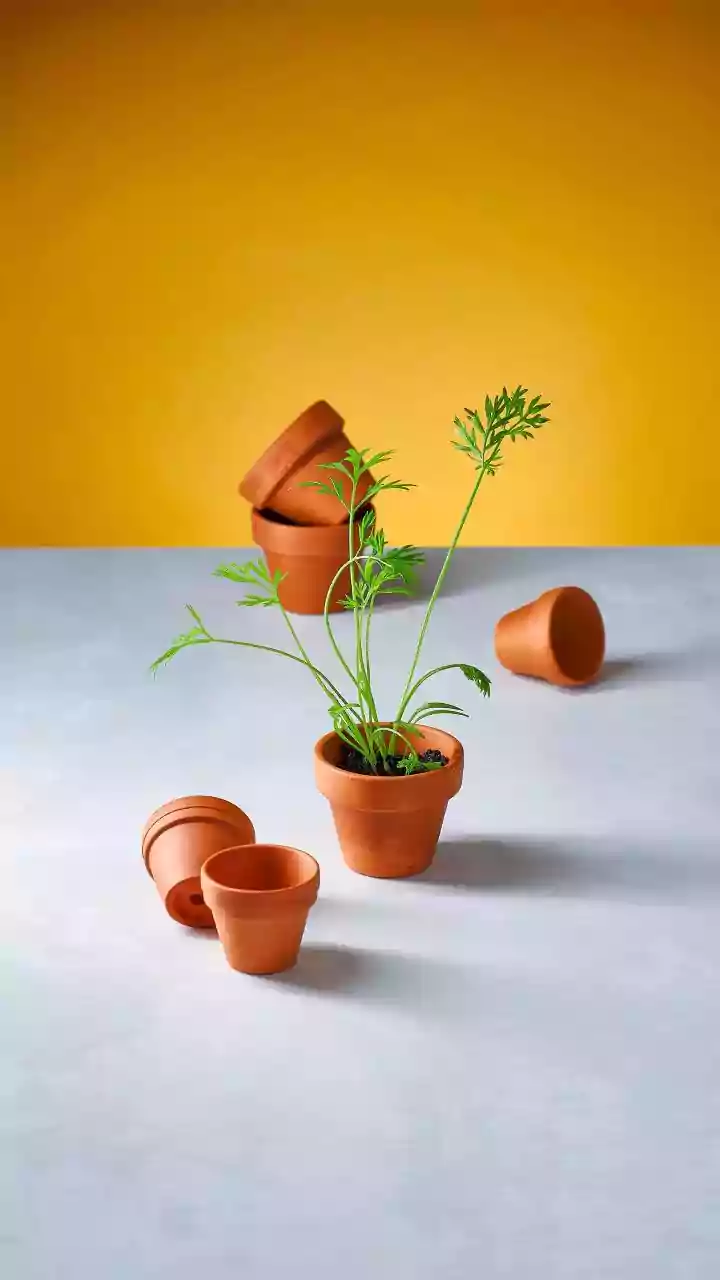
This year, there is a noticeable shift towards more mindful and sustainable decorating. This trend embraces eco-friendly choices that are both beautiful and kind to the environment. Opt for clay or terracotta diyas over plastic ones, and choose handmade decorations from local artisans to support traditional crafts. Instead of buying new plastic decor, get creative by repurposing items you already own. Old glass jars can become charming candle holders, and colourful dupattas or saris can be used as drapes or table runners. Even your choice of idols can be sustainable, with many people now opting for unpainted clay idols that dissolve easily in water or can be symbolically immersed at home.
Styling with the Nine Colours of Navratri
For those who love a dynamic approach, decorating with the nine specific colours of Navratri can be a joyful activity. The sequence for 2026 begins with orange, followed by white, red, royal blue, yellow, green, grey, purple, and peacock green. This doesn't mean you need to change everything daily. You can introduce the colour of the day through small, interchangeable elements. For example, use orange marigolds on Day 1, switch to a white flower arrangement on Day 2, and add a red table runner on Day 3. This practice brings a new layer of meaning and visual freshness to your home each day of the festival, making the celebration a continuously evolving experience.