





The Illusion of 'It's Just a Small Amount'
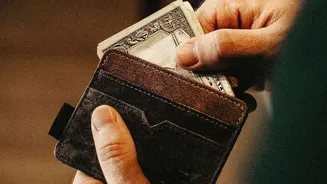
The core of the problem lies in its invisibility. A single transaction of ₹50 or ₹100 for a coffee or a quick bite feels insignificant. Unlike handing over physical cash, a digital payment lacks the psychological "pain of paying." This emotional distance
means we don't feel the financial impact in the moment. The brain dismisses the expense, but these small amounts accumulate rapidly. A daily ₹100 spend on miscellaneous items can add up to ₹3,000 a month—money that seems to vanish from your account, leaving you wondering where it went when you check your statement.
Why Frictionless Payments Lead to Mindless Spending
UPI was designed to remove friction from payments, making them instant and effortless. While this is a huge technological leap, it also removes the natural pause for thought that comes with physical transactions. There's no need to count cash or even pull out a card, which reduces the cognitive load and makes impulse purchases easier. Studies have shown that people are willing to spend significantly more when using digital methods compared to cash precisely because the transaction feels less 'real'. A study of Indian UPI users found that about 75% felt their spending had increased after they started using the platform.
Identifying Your Spending Black Holes
Most of this financial leakage occurs in a few common areas. Daily commutes, morning coffees, frequent online food orders, and small grocery runs are major culprits. Add to this the temptation of social media ads for small-ticket items and recurring subscriptions for apps and entertainment that are automatically debited. Recent analysis of Gen Z's UPI habits showed that everyday essentials like bills, subscriptions, groceries, and food account for over 70% of their monthly spending, highlighting how these small but frequent costs dominate budgets. The first step to plugging the leak is identifying where your money is actually going.
How to Regain Control: A 4-Step Plan
Becoming aware of the problem is half the battle. The goal isn't to stop using UPI, but to make convenience work for you, not against you. Start with a simple financial health check. Most UPI apps like Google Pay and PhonePe have built-in features that categorise your spending. Take 20 minutes to review your last month's transaction history. Don't judge, just observe. Tally up the amounts spent on categories like food delivery, transport, and shopping. You might be surprised by the totals. This audit gives you a clear, factual baseline of your spending habits.
Create a Micro-Budget and Use Two Accounts
Once you know your spending patterns, apply a simple budgeting rule like the 50/30/20 framework: 50% of your income for needs (rent, bills), 30% for wants (dining out, shopping), and 20% for savings. A powerful strategy is to operate with two bank accounts. Have your salary credited to one account that is not linked to UPI. From this salary account, transfer your monthly spending budget—the 30% for 'wants'—to a second account that is linked to your UPI apps. This creates intentional friction; once your spending account is empty, you'll have to consciously decide if dipping into your main funds is worth it.
Automate Savings and Track Manually
Pay yourself first. Set up automatic SIPs or recurring deposits to move your savings (the 20%) out of your salary account on the day you get paid. Automating this ensures your long-term goals are prioritised before the micro-spending can begin. For daily tracking, while apps can automatically scan SMS alerts, some users find success with a simple manual log. Taking 60 seconds each evening to note down your day's UPI spends in a notebook or a simple spreadsheet can restore the psychological connection to your money that frictionless payments remove. This small ritual makes spending a conscious act again.