




A Match Made in Food Heaven
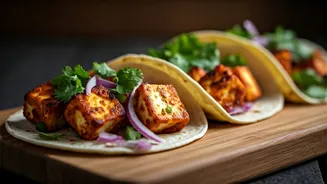
So, what exactly is a paneer taco? At its heart, it’s a beautiful collision of two culinary worlds. Imagine the foundational concept of a Mexican taco—a handheld tortilla acting as a delicious vessel for flavourful fillings. Now, replace the traditional
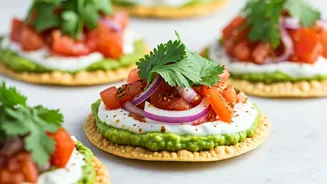
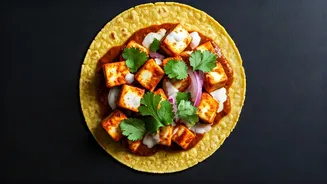
minced meat or beans with a star of Indian vegetarian cuisine: paneer. The paneer is typically cubed or crumbled, then sautéed with a blend of classic Indian spices. Think cumin, coriander, turmeric, garam masala, and a touch of chilli. It’s often cooked with onions, tomatoes, and bell peppers, creating a flavour base reminiscent of a paneer bhurji or a dry paneer sabzi. This spicy, savoury mixture is then loaded into soft or hard-shell tacos and finished with toppings that bridge the two cultures—cool sour cream or yoghurt, zesty cilantro, a squeeze of lime, and perhaps some pickled onions.
Why This Fusion Just Works
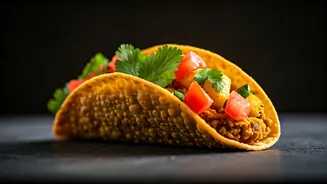
The magic of the paneer taco lies in its perfect synergy of texture and flavour. Paneer, with its mild, milky taste and firm, non-melting quality, is a fantastic canvas for bold spices. It absorbs the smoky, earthy notes of Indian masalas without falling apart. The taco shell provides a neutral, corn-flavoured base and a satisfying structure. The real genius, however, is in the textural play. You get the softness of the cooked paneer and vegetables, the crunch of fresh toppings like onions or lettuce, the creaminess of a yoghurt or crema drizzle, and the sturdy yet pliable wrap of the tortilla. It hits all the right notes: spicy, tangy, creamy, and crunchy. It’s a flavour journey in every single bite, offering the comfort of familiar Indian tastes in an exciting, globally recognised format.
From Kitchens to Your Feed
While the headline claims an “internet obsession,” the reality is a more organic, grassroots trend blossoming on social media. This isn't a top-down creation from a restaurant chain; it’s a movement powered by home cooks and food bloggers. On platforms like Instagram and Pinterest, the paneer taco is a visual star. The vibrant colours of the spiced paneer, green cilantro, and white sour cream against the warm yellow of a corn tortilla are incredibly photogenic. Food creators have found that it’s a reliable way to generate engagement, as it combines the evergreen popularity of both Indian food and tacos. It’s a dish that looks impressive but is, as many video tutorials show, surprisingly achievable for the home cook. This DIY spirit has fuelled its journey from a niche fusion idea to a widely shared and replicated meal.
A Symbol of Modern Indian Cuisine
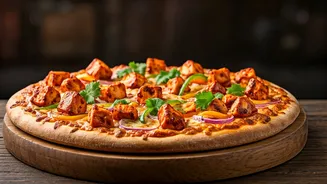
The paneer taco isn't just a quirky one-off; it’s a delicious example of a much larger shift in how we think about food. We are living in an era of culinary globalization, where recipes and ideas travel across continents in seconds. For modern Indian cuisine, this has meant a confident and creative exploration beyond traditional boundaries. Fusion food is no longer about awkwardly shoehorning ingredients together. Instead, it’s about finding logical, delicious connections between cultures. We’ve seen it with dishes like naan pizzas, butter chicken pasta, and dosa wraps. The paneer taco fits perfectly into this new tradition. It respects the core flavours of its Indian heritage while embracing the fun, casual, and communal eating style of the taco.
The Ultimate Customisable Meal
Part of its growing popularity is its incredible flexibility. There is no single “correct” recipe for a paneer taco, which empowers cooks to make it their own. Some prefer a spicy, tandoori-style marinade on the paneer, grilling it for a smoky char. Others opt for a creamier, makhani-style sauce. The toppings are equally versatile: swap sour cream for a mint-coriander chutney, add some chopped mango for sweetness, or throw in some black beans for a more substantial filling. This adaptability makes it a perfect meal for families and gatherings, where everyone can build their taco to their own preference. It’s a social, interactive dish that transforms dinner from a passive meal into a creative activity.