









More Than Just a Screen
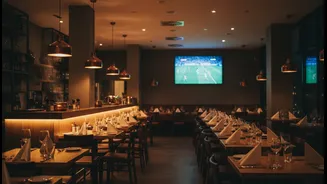
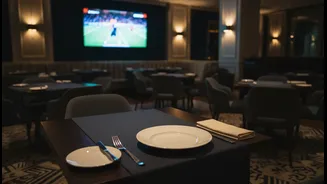
Turning a restaurant into a fan zone seems simple: just switch on the TV. The reality is far more complex. First, there's the significant cost and legal navigation of screening rights for major tournaments like the FIFA World Cup. Many establishments
have discovered that their standard cable subscription doesn't cover commercial use, leading to legal notices and disputes. Beyond the rights, creating the right atmosphere is an investment. It requires high-quality, large screens, robust sound systems that carry the commentary without deafening diners, and strategic placement to ensure good views for everyone. The goal is to replicate the energy of a stadium, a challenge that involves significant upfront and operational costs before a single customer walks in.
The Late-Night Staffing Puzzle
Persuading staff to work until 3 or 4 AM is one of the biggest hurdles. The hospitality industry in India already faces a significant staffing crisis, with high turnover and a shortage of skilled workers. Late-night shifts exacerbate this issue. Owners must consider overtime pay, safe late-night transport for employees, and the risk of burnout. These shifts are physically and mentally draining, and running a service with a tired, bare-bones crew can lead to mistakes and a drop in service quality. During major events, demand can triple overnight, but keeping a large permanent staff for these peaks is financially unsustainable. This forces a difficult balancing act between meeting customer expectations and protecting employee welfare.
Curating the Midnight Menu
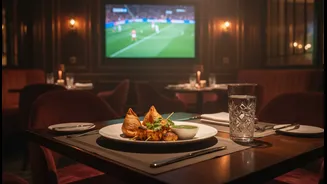
Diners often wonder why their favourite dishes are missing from the late-night menu. The answer lies in kitchen efficiency and profitability. A full menu is impractical for a skeleton crew to manage. Instead, successful late-night menus focus on items that are quick to prepare, use existing inventory to minimise waste, and offer high profit margins. Think shareable plates like loaded fries, sliders, and nachos, which are perfect for groups and can be assembled quickly. This strategy, known as menu engineering, is crucial. It ensures the kitchen can handle a sudden rush during halftime without getting overwhelmed, while also making the extended hours financially viable. It’s a deliberate business decision, not an oversight.
The Gamble on Unpredictable Demand
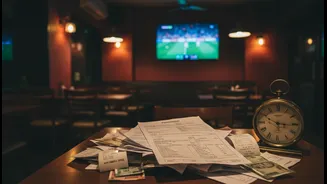
Hosting a late-night screening is a significant business gamble. While major events like the IPL or FIFA World Cup finals can guarantee a full house, the journey there is uncertain. What happens if the star team gets knocked out early, or if a match turns out to be a one-sided bore? Crowds can thin out quickly, leaving the restaurant with excess staff and unsold food. In cities like Bengaluru, authorities have granted extensions for service timings during the World Cup semi-finals and final, a welcome move for businesses. However, this flexibility is often granted only for marquee matches, leaving restaurants to navigate licensing and timing restrictions for the rest of the tournament. This uncertainty makes it incredibly difficult to forecast demand and revenue, turning each match day into a high-risk, high-reward proposition.