

The Core Problem with Lithium-Ion
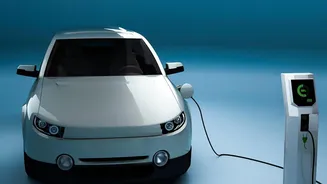
For years, lithium-ion batteries have been the undisputed king of energy storage, powering everything from our smartphones to the electric vehicles (EVs) on our roads. Their high energy density and long life have been crucial to the EV revolution. However,
this dominance comes at a cost. Lithium, along with other key materials like cobalt and nickel, is a finite resource. Its extraction is geographically concentrated, leading to volatile prices and fragile supply chains. The cost of these raw materials is a major reason why the upfront price of an EV remains a barrier for many potential buyers in India and around the world. The battery can account for up to 40% of an EV's total cost, making any reduction in battery price a significant step toward making clean transport accessible to all.
Enter Sodium-Ion: The Abundant Alternative
This is where sodium-ion batteries come in. As the name suggests, they use sodium ions as their charge carriers instead of lithium ions. The primary advantage is the sheer abundance of sodium. It's the sixth most common element on Earth, found globally in rock salt and seawater, making it vastly cheaper and more environmentally friendly to source than lithium. This fundamental difference in raw material cost is the main driver behind the excitement for sodium-ion technology. Projections suggest that sodium-ion batteries could be around 30% cheaper to produce than their lithium-ion counterparts, which could translate into a significant drop in the final price of an electric vehicle.
Are They Ready for Prime Time?
While the cost benefits are clear, sodium-ion technology has historically faced challenges, primarily lower energy density. This means a sodium-ion battery of the same size would typically offer a shorter range than a lithium-ion one, a critical factor for many EV buyers. However, recent breakthroughs are closing this gap. Companies are developing new cathode materials and cell designs to boost energy density, with some reaching levels close to the popular and affordable Lithium Iron Phosphate (LFP) chemistry used in many entry-level EVs today. Furthermore, sodium-ion batteries have some distinct performance advantages. They perform much better in extreme cold, a known weakness for lithium-ion cells, and demonstrate excellent fast-charging capabilities, with some prototypes charging to 90% in just 15 minutes. They are also considered safer, with better thermal stability, and can be transported at a zero-percent charge without being damaged, simplifying logistics.
The Indian Push for Sodium-Ion
India is positioning itself to be a key player in this emerging field. Several homegrown companies and research institutions are making significant strides. Firms like IndiEnergy, Sodion Energy, and KPIT Technologies are actively developing and commercializing sodium-ion battery technology. IndiEnergy, for instance, is creating batteries using hard carbon derived from agricultural waste, embracing a circular economy model. In February 2024, Sodion Energy launched what it called India's first sodium-ion batteries, aiming to replace traditional lead-acid batteries and eventually power EVs. Meanwhile, Pune-based KPIT Technologies has developed its own sodium-ion battery technology, which it is commercializing in collaboration with Trentar Energy Solutions. This local development is crucial for India's energy self-reliance and supports the national mission for a greener future.
The Road Ahead for Cheaper EVs
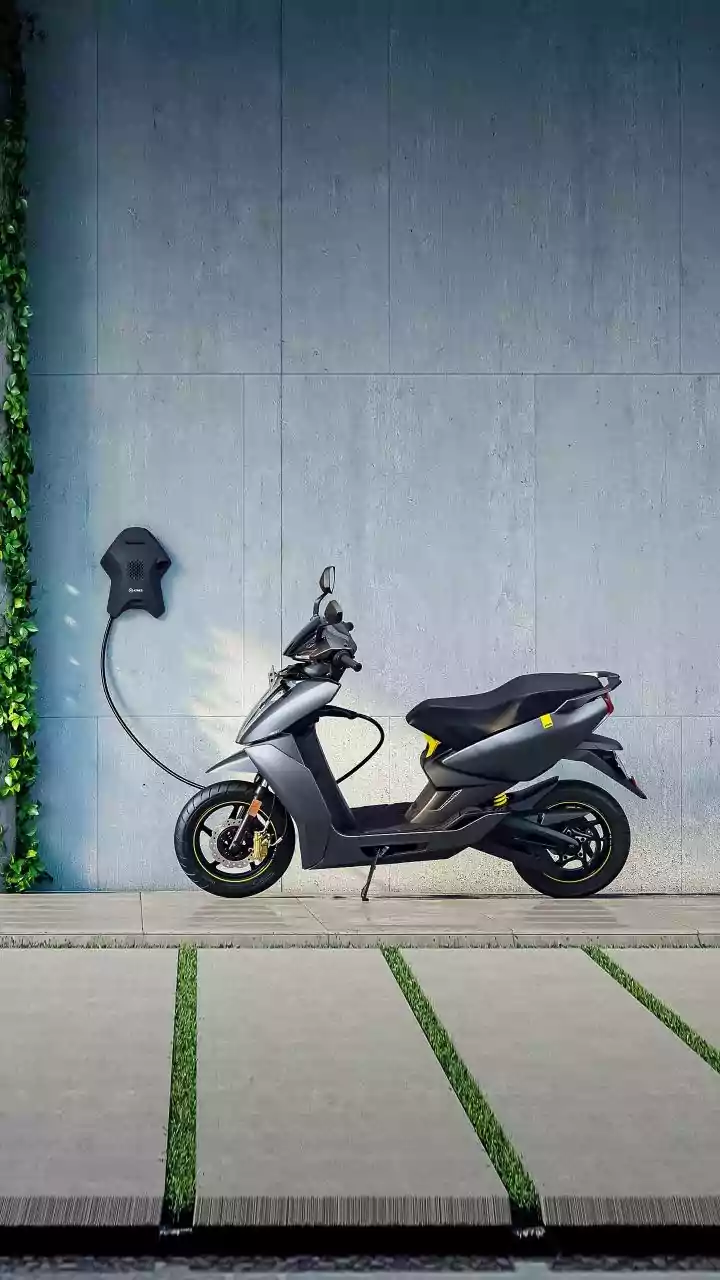
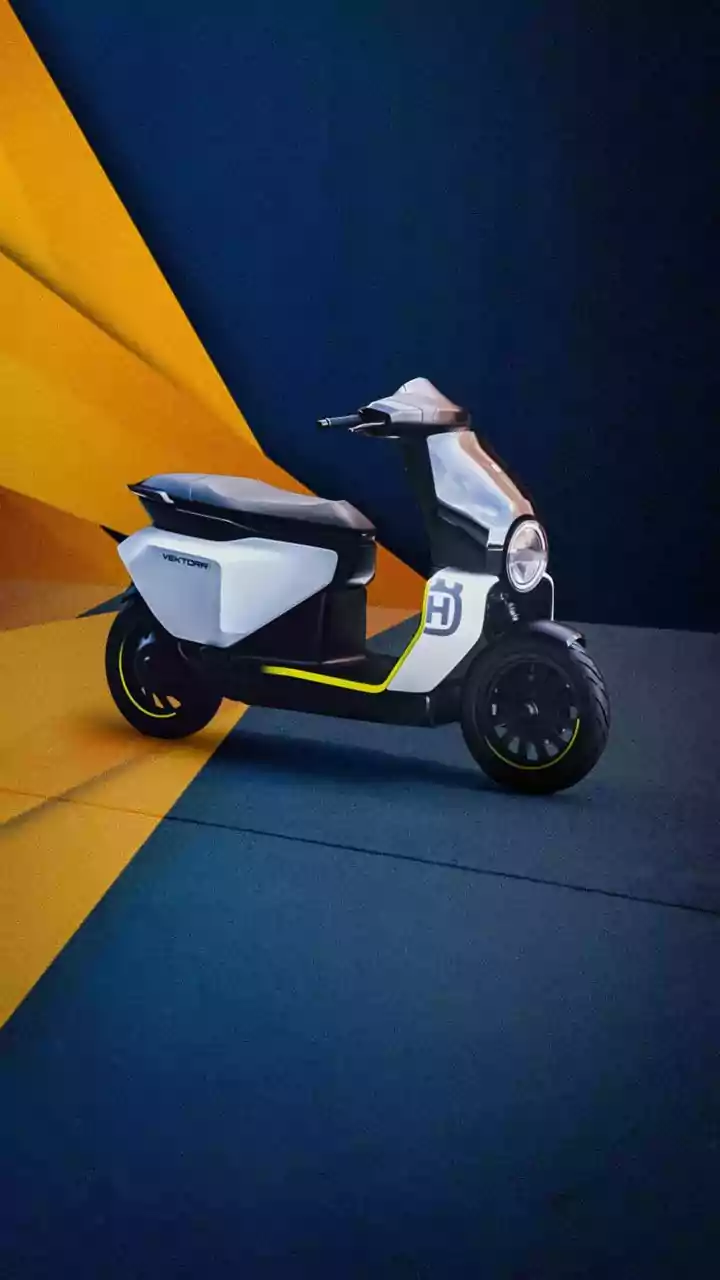
While sodium-ion technology shows immense promise, it's not expected to completely replace lithium-ion overnight. For high-performance, long-range premium EVs, lithium-ion will likely remain the standard for the near future. Instead, sodium-ion is poised to capture the market for smaller, more affordable city cars and two-wheelers, where ultra-long range is less critical than price. The technology is also a perfect fit for stationary energy storage for homes and power grids. Chinese manufacturers are already launching the first mass-produced EVs with sodium-ion batteries. As manufacturing scales up globally, the cost benefits will become more pronounced. This dual-chemistry approach—lithium for range, sodium for affordability—will be key to broadening the appeal of electric mobility.